
Bigger capacity on a spec sheet rarely means better return on investment for a startup.
Selecting the right cat food extrusion line requires matching machine specs with local raw material characteristics and realistic capacity needs, rather than just chasing maximum output on paper.
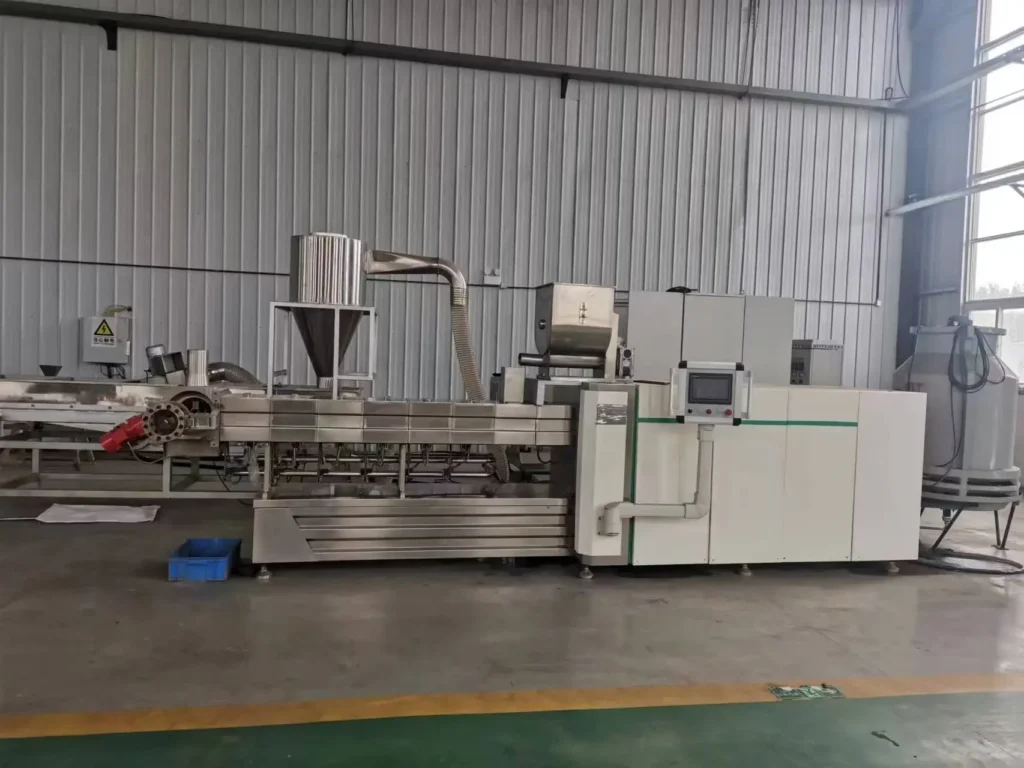
I still remember the sweat dripping onto the control panel of a DS65 twin-screw extruder inside a corrugated铁皮厂房 in Lagos. The client had pushed the local cassava starch ratio to an extreme level, and the moisture in the meat slurry was completely uncontrolled. The result was a disaster: dense, unpuffed dough balls jamming the die, and throughput dropping by half. I spent weeks squatting next to the barrel, adjusting the thermal profile and modifying the screw configuration to rescue the batch. That ordeal shifted my entire perspective from aftermarket support to frontline consulting. Selling heavy iron is useless if you do not understand how local ingredients behave under high shear and temperature. When you decide to buy cat food extruder machine setups, you must look beyond the brochure.
Let us break down how to build a production system that actually works on your factory floor.
How to Size Your Cat Food Extrusion Line Capacity?
Theoretical output means nothing if your local raw materials or downstream dryers cannot keep up.
When evaluating pet food production line capacity, buyers often fall into the trap of oversizing. A massive extruder will bottleneck if the local supply chain cannot deliver consistent raw materials, or if the drying section cannot handle the moisture removal rate.
Here is a specification comparison matrix to help you align your capacity choice with actual operational realities:
| Capacity Tier | Extruder Screw Configuration | Downstream Drying Match | Local Raw Material Adaptability | Ideal Startup Stage |
|---|---|---|---|---|
| Entry-Level | Standard L/D ratio, fixed compression | Basic batch dryer, uncontrolled exhaust | Vulnerable to moisture fluctuation | Initial recipe testing |
| Mid-Range | Modular screws, adjustable shear | Continuous dryer with standard airflow | Standard for common meat-starch blends | Commercial scaling |
| Industrial | High-torque, custom compression zones | Multi-stage dryer with precise humidity control | Robust against high local starch variance | Contract manufacturing |
A West African pet food startup once ordered an industrial-tier cat food extrusion line, chasing the highest possible output. However, their local fish meal supply had highly inconsistent moisture levels. The oversized extruder processed the material too quickly, leaving the downstream dryer overwhelmed. The final product suffered from severe moisture migration during storage. By downgrading to a mid-range setup with a longer retention time in the preconditioner, they stabilized the process.
When sizing your cat food extrusion line capacity, always calculate the bottleneck at the drying and cooling stages, not just the extruder motor power.
Why Do Standard Recipes Fail in Local Extruders?
Global standard formulas will collapse if you ignore the unique rheology of regional ingredients.
A cat food recipe for extrusion developed in Europe or North America assumes specific protein-to-starch ratios and moisture profiles. When you source local cassava, sorghum, or regional fish meals, the mechanical energy required for proper gelatinization changes drastically.
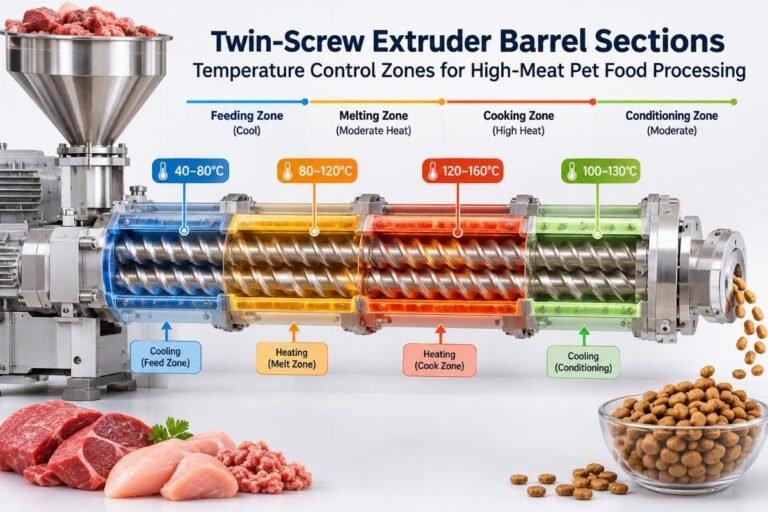
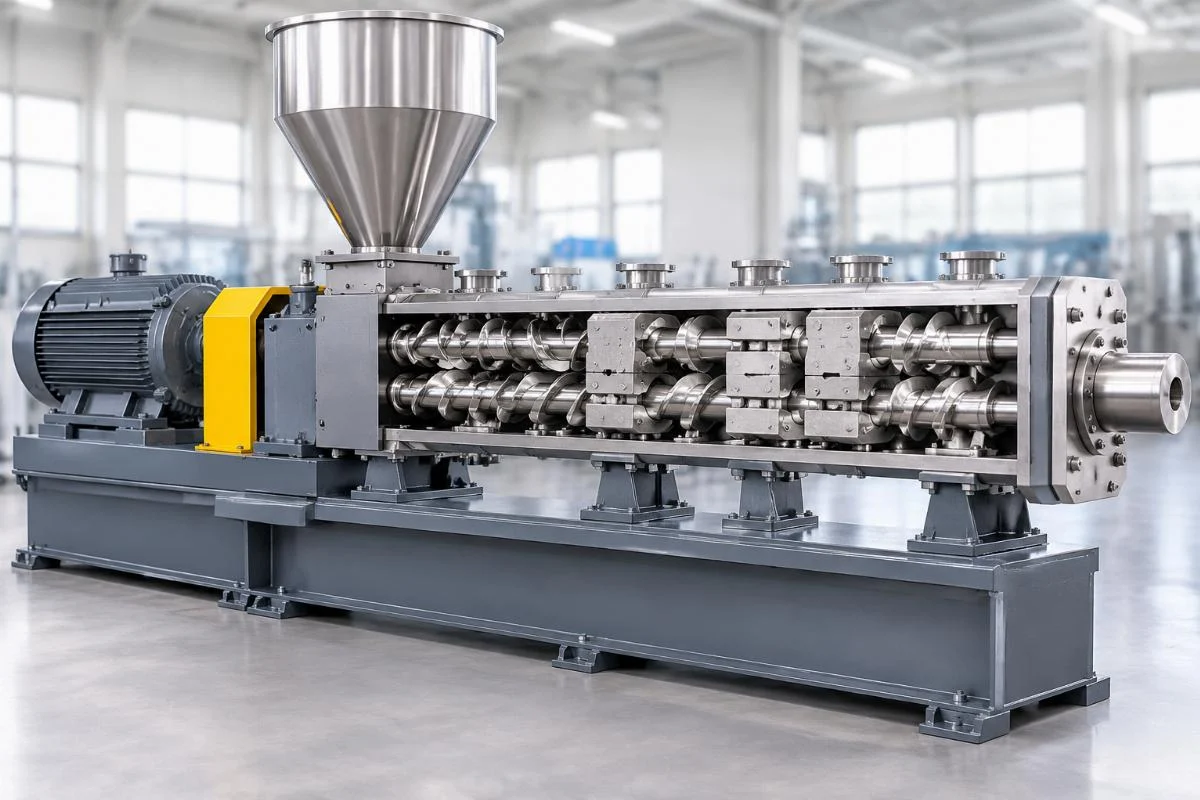
Standard screws are designed for predictable wheat or corn starch. When local starch content exceeds standard thresholds, the material behaves differently under heat and pressure. Without adjusting the compression ratio and barrel temperature mapping, the dough will either slip inside the barrel or burn before exiting the die.
During my time in Lagos, we had to completely reconfigure the screw elements. We increased the kneading blocks to generate more specific mechanical energy (SME) to break down the tough local starch structures, while carefully reducing the feed rate to prevent die blockage.
If you are adapting a cat food recipe for extrusion using local crops, you must demand custom screw configurations from your machinery partner. Do not accept off-the-shelf setups for non-standard ingredients.
What Are the Hidden Costs in a Pet Food Line Budget?
The extruder is just the beginning; the real budget drains lie in the turnkey integration.
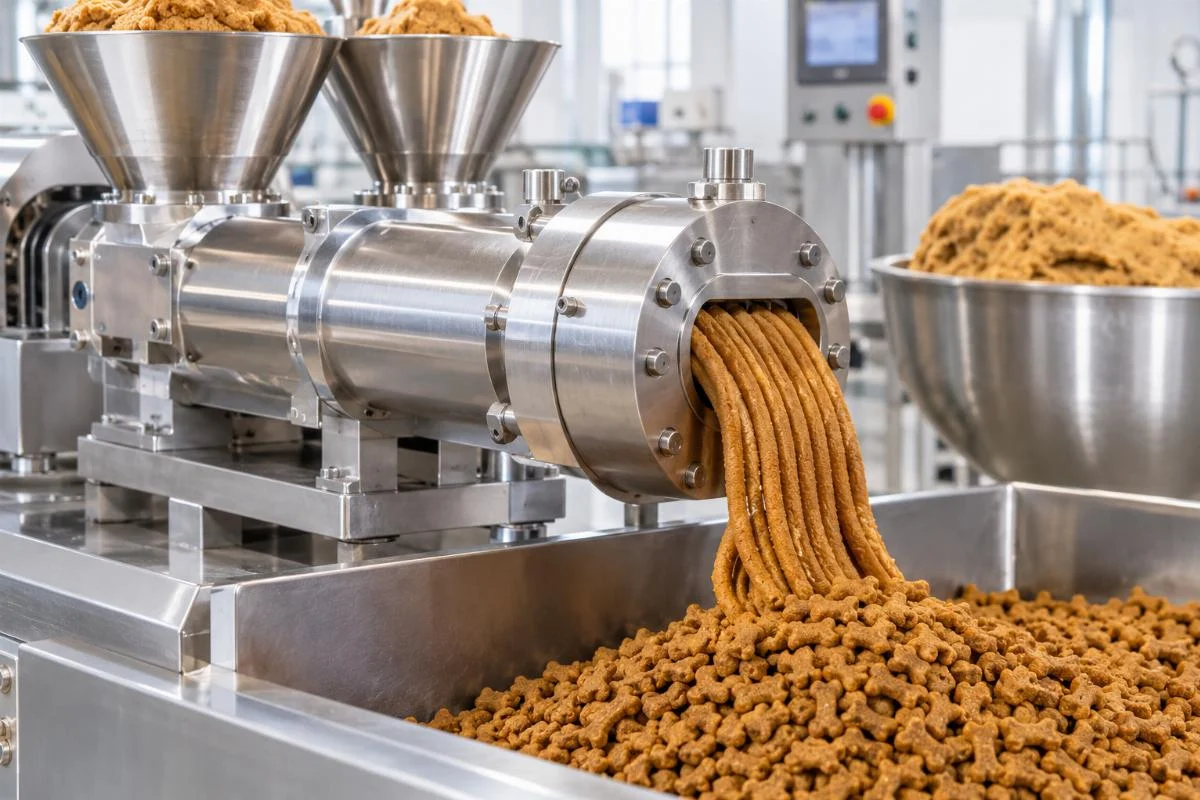
Many first-time buyers focus entirely on the price of the extruder itself, only to be blindsided by the costs of the peripheral equipment. A complete pet food manufacturing ecosystem requires precise coordination across multiple stages.
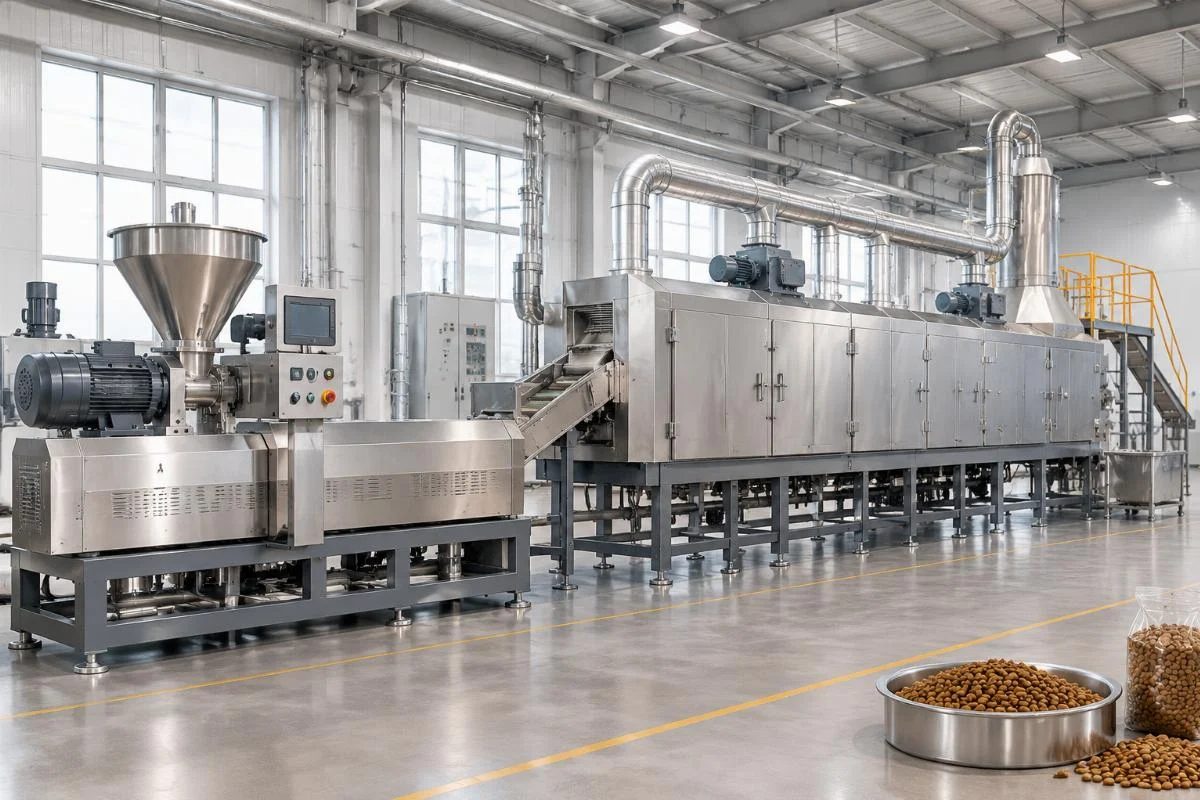
Beyond the extruder, your budget must cover:
- Industrial Dryers: Multi-layer mesh belt dryers with precise temperature zoning to ensure uniform moisture reduction without case hardening.
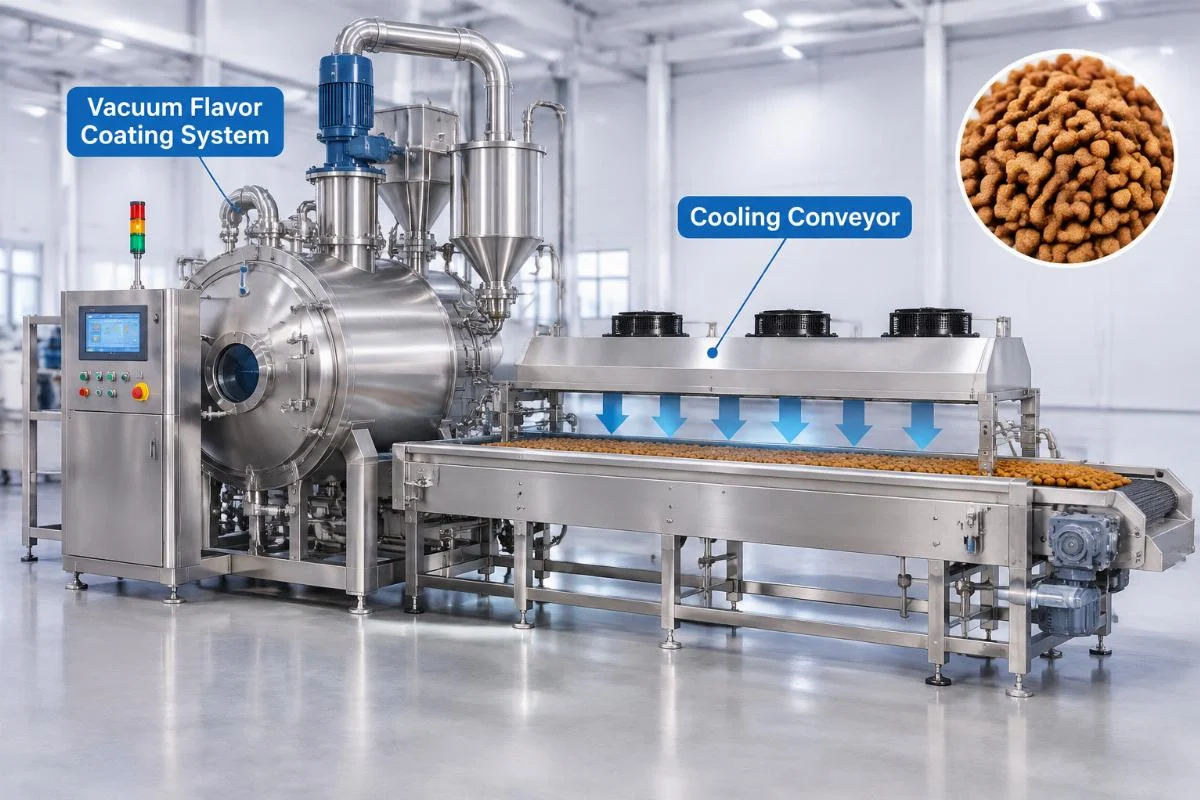
- Cooling Systems: Counterflow coolers that bring the kibble temperature down safely before packaging to prevent condensation.
- Flavor Coating Systems: Vacuum coaters that ensure even distribution of fats and palatants, which is critical for feline acceptance.
- Dust Removal and Packaging: Cyclones and automated weighing scales to maintain hygiene and reduce labor costs.
A Middle Eastern client initially tried to save money by sourcing the extruder from one supplier and the dryer from a cheaper local fabricator. The mismatch in airflow design caused the kibble to shatter inside the dryer, creating massive waste. They eventually had to purchase a fully integrated system to solve the fragmentation issue, costing several times the initial savings.
When planning your budget for a cat food extrusion line, treat the entire processing sequence as a single mechanical organism.
How to Verify a Supplier’s Turnkey Capability?
Paper certifications do not guarantee that a supplier can debug your specific local formula on site.
Anyone can sell a stainless-steel box with a motor. True turnkey capability means the manufacturer understands the food science behind the hardware. You need a partner who can provide formula development support and on-site commissioning.
To verify a supplier, look for these concrete capabilities:
- Formula Debugging Support: They must have food technologists who can adjust the recipe based on the exact moisture and protein content of your local raw materials.
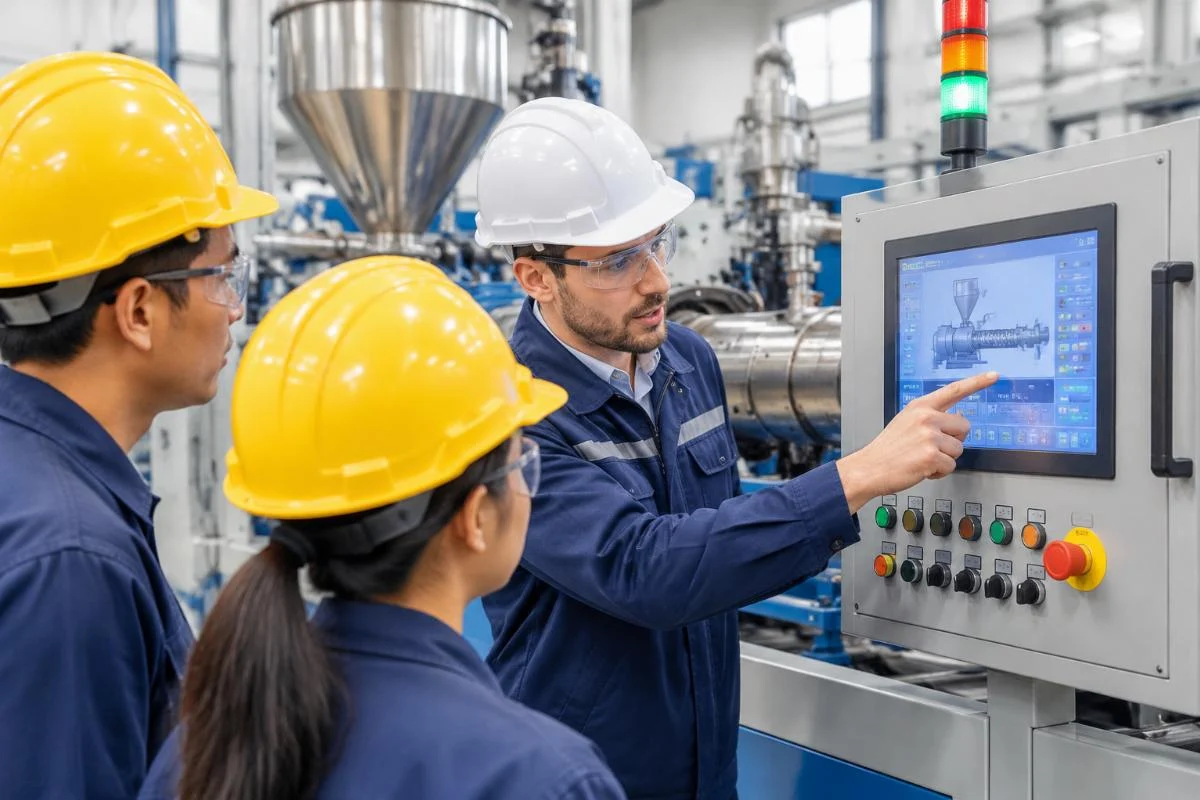
- On-Site Installation and Training: Their engineers should not just bolt the machines down; they must train your local operators on thermal profiling and die maintenance.
- Food-Grade Compliance: The entire contact zone must be constructed from certified food-grade stainless steel, meeting international hygiene standards.
Meiteng approaches every project with this exact mindset. Our DS-series twin-screw platforms are highly flexible, allowing us to customize the screw L/D ratio and barrel heating zones specifically for your local starch and protein blends. We do not just ship a cat food extrusion line; we send our technical team to your factory to run trials with your actual ingredients until the puffing quality and capacity are fully stabilized.
Conclusion
Success in pet food manufacturing relies on process harmony, not just machine horsepower.
Building a profitable production facility requires aligning your cat food extrusion line capacity with realistic local supply chains, adapting screw configurations to regional ingredients, and budgeting for fully integrated downstream systems. Partner with a manufacturer that prioritizes formula debugging and on-site operational training to ensure your line delivers consistent, high-quality kibble from day one.
Machines Mentioned in This Article
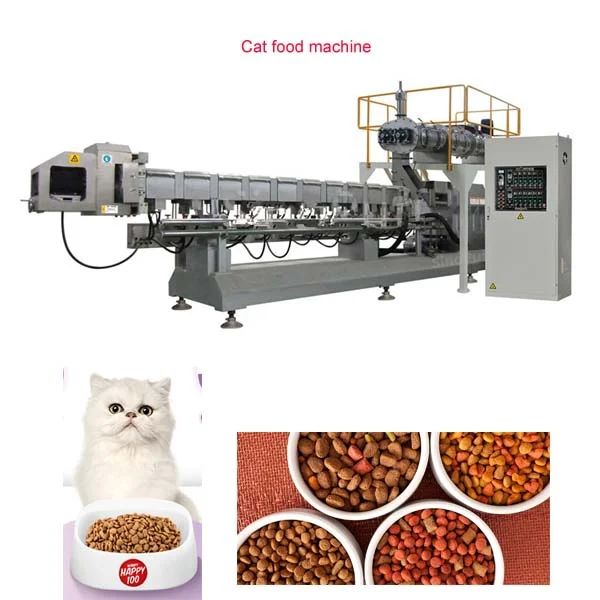
cat food machine
Cat Food Machine Manufacturer & Production Line
View Machine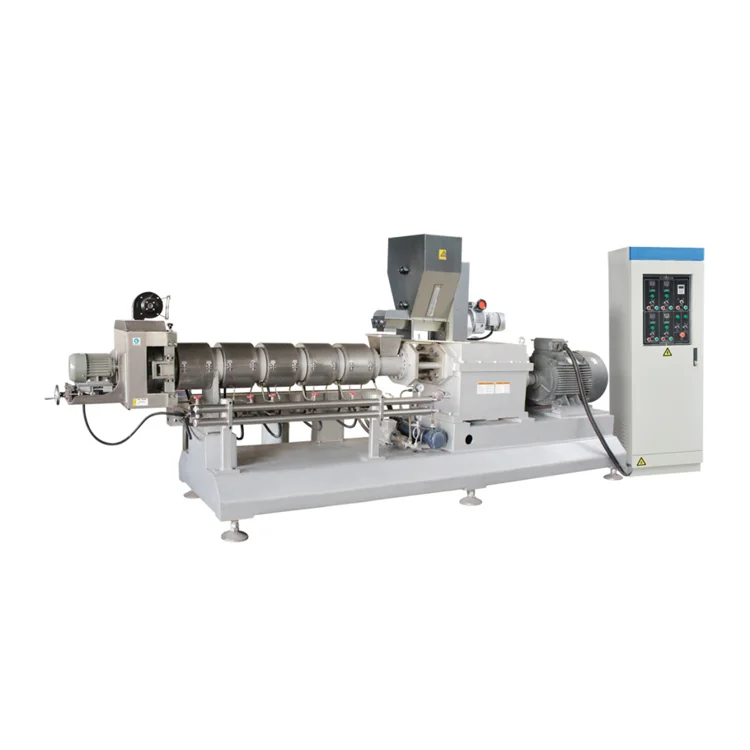
cat food machine
Pet Food Pellet Extruder Machine Manufacturer for Dog Cat
View Machine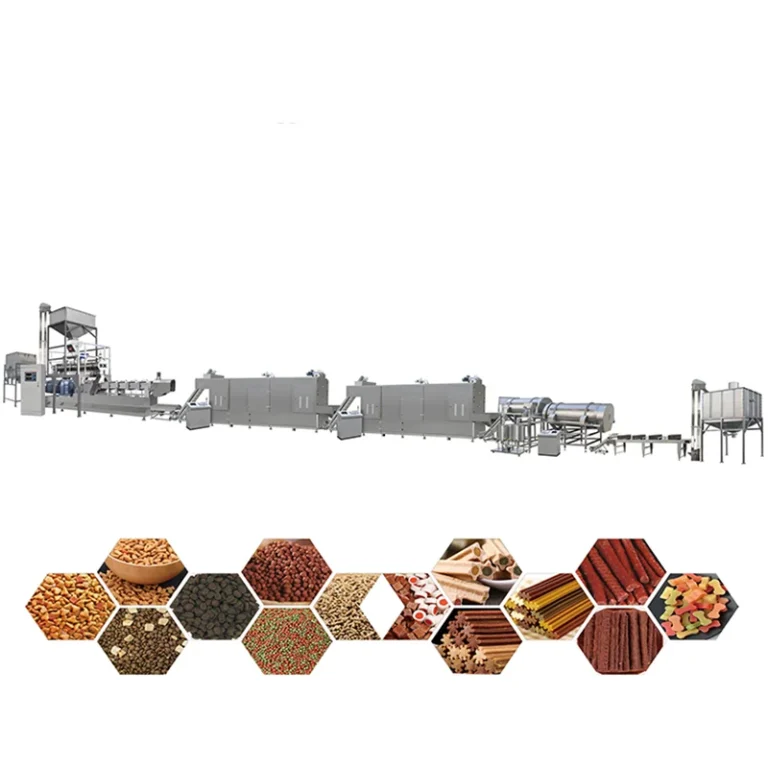
cat food machine
Dog Food Extrusion Machine Manufacturer Production Line
View Machine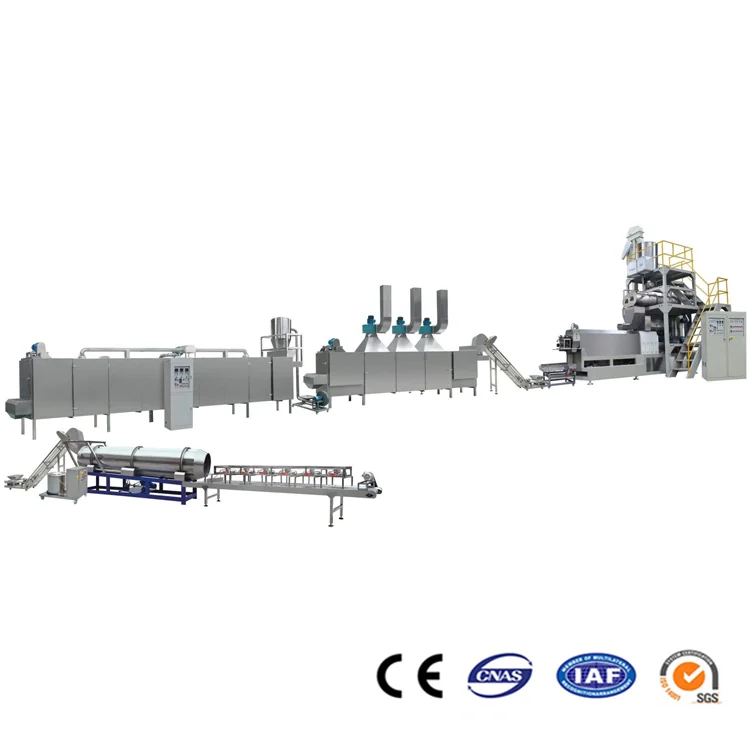
cat food machine