Bigger screws do not guarantee better kibble expansion; mismatched die configurations ruin high-meat textures instantly.
Selecting a pet food extruder line Southeast Asia requires matching twin-screw extruder specs to high-meat formulas and local utility constraints, prioritizing specific mechanical energy inputs and regional power stability over nominal capacity.
I still remember the sweltering heat inside a Jakarta warehouse when we first fired up a twin-screw kibble extruder high meat formula batch. The pellets extruding from the die were scorched black on the outside and dense as rocks inside. The client shook his head, pointing at the feed hopper in frustration. Having transitioned from quality control to technical sales, I spent three sleepless nights troubleshooting the barrel temperature profiles before realizing the root cause: the die land length-to-diameter ratio was completely mismatched for the elevated protein and fat content. Since that day, whenever I evaluate a pet food extruder line Southeast Asia project, I look far beyond the nameplate capacity. I scrutinize the raw material rheology and the local electrical grid stability. Buying machinery is not about acquiring heavy iron; it is about securing a stable工艺 (process) that consistently delivers premium kibble. Let us break down how to configure your production line correctly.
Transitioning from raw material prep to the core extrusion process reveals why standard configurations fail in this specific market.
Why Standard Extruders Fail with High-Meat Formulas?
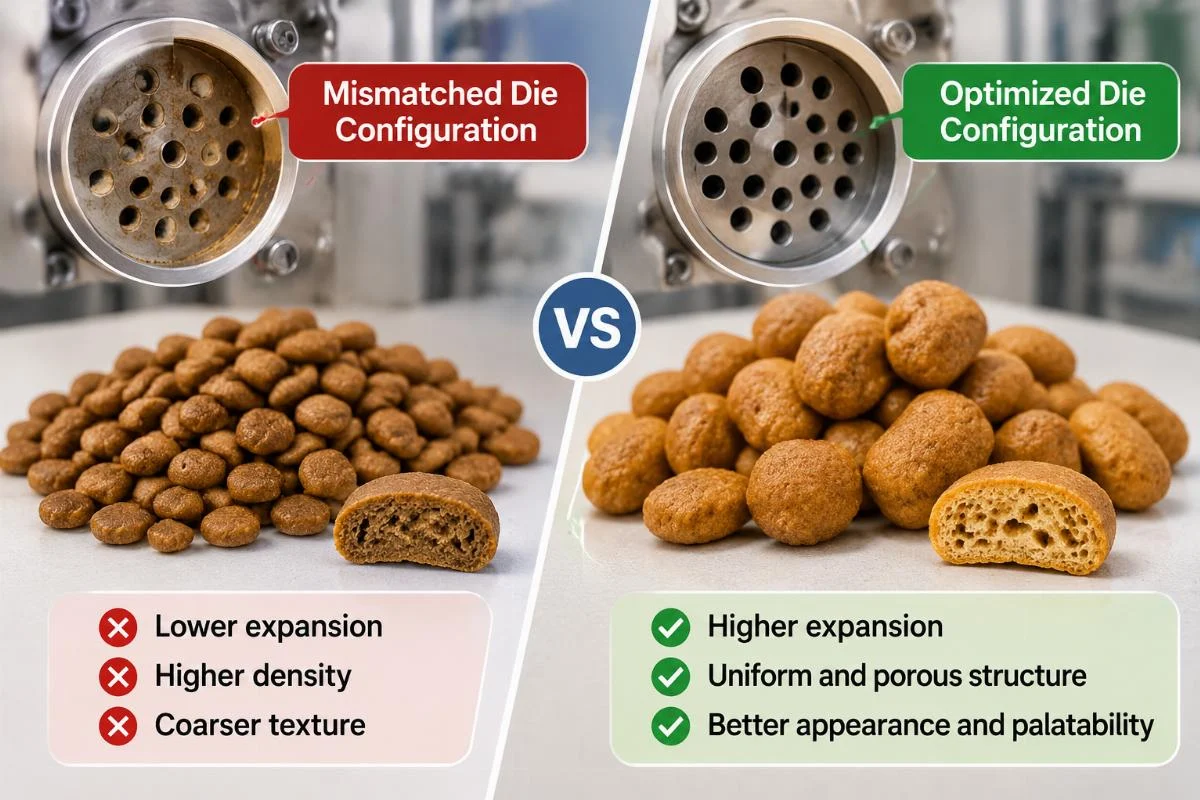
Standard extruder configurations routinely fail with high-meat recipes because generic die L/D ratios cannot handle the altered rheology of elevated protein and lipid levels, leading to poor expansion and localized burning.
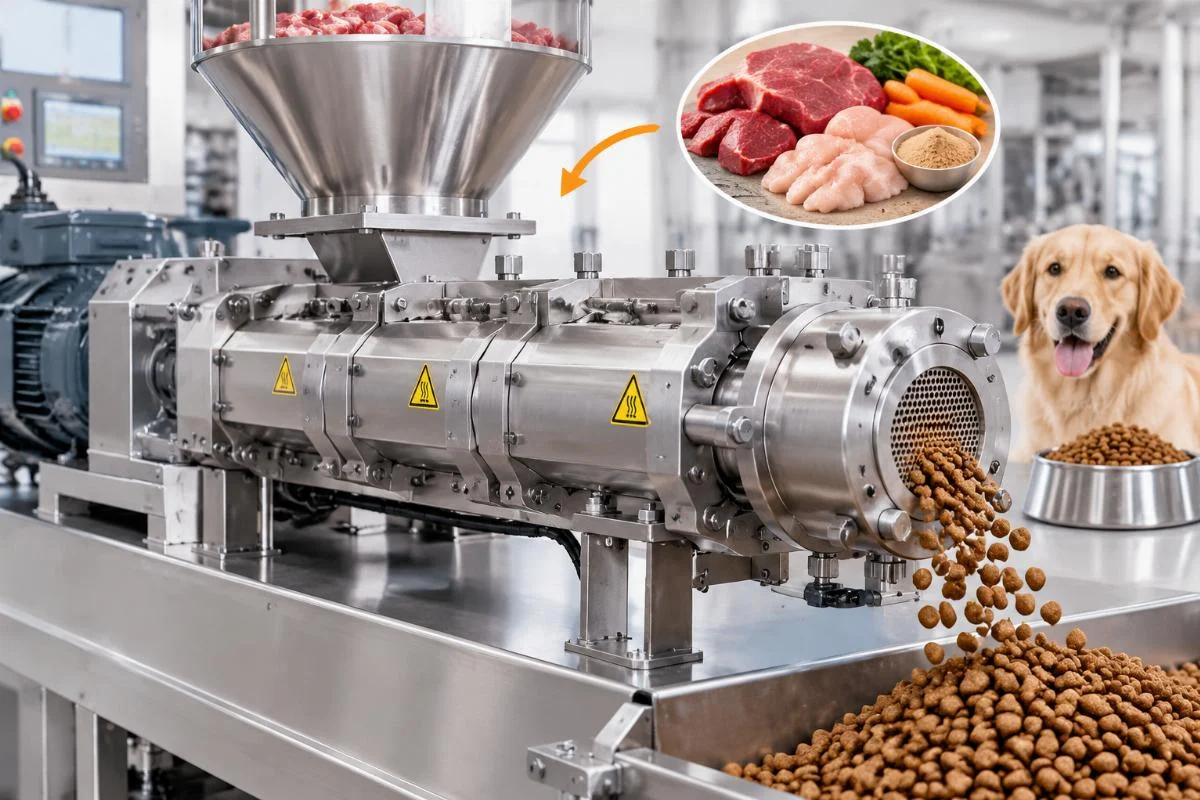
When formulating with high inclusion rates of fresh meat or meat meals, the dough viscosity inside the barrel changes dramatically. The specific mechanical energy required to gelatinize the starches while properly texturizing the proteins increases significantly. If you use a standard die designed for cereal-heavy, low-meat recipes, the friction generates excessive heat. The kibble surface burns before the core reaches the necessary expansion threshold.
Conversely, if the L/D ratio is too short for a high-meat formula, the material lacks sufficient residence time inside the barrel. The proteins do not fully denature, resulting in kibble that is dense, sinks in water, and fails to meet the buoyancy and texture expectations of modern pet owners.
| Configuration Factor | Standard Cereal-Heavy Setup | High-Meat Formula Setup |
|---|---|---|
| Die L/D Ratio | Short land length, rapid flash-off | Extended land length, controlled pressure build-up |
| SME Input | Low to moderate mechanical energy | High mechanical energy for protein texturization |
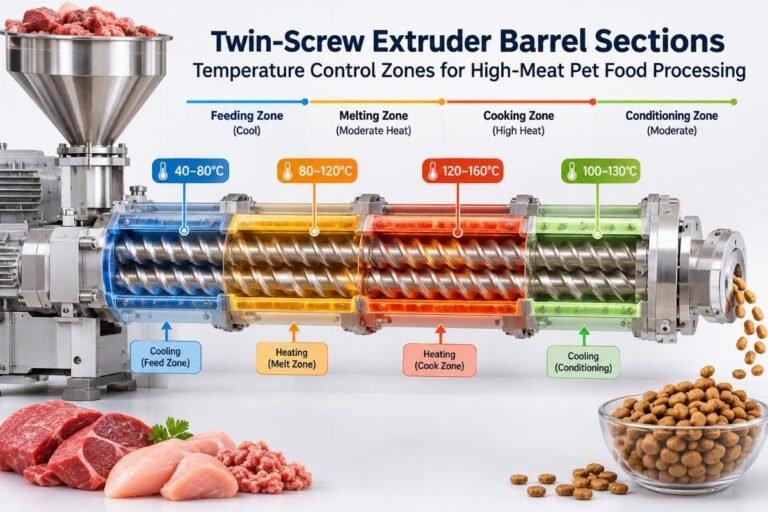
| Barrel Temp Profile | Uniform, aggressive heating | Gradual, zoned heating to prevent surface scorching |
| Expansion Quality | High volume, fragile structure | Dense core, uniform cell structure, stable shape |
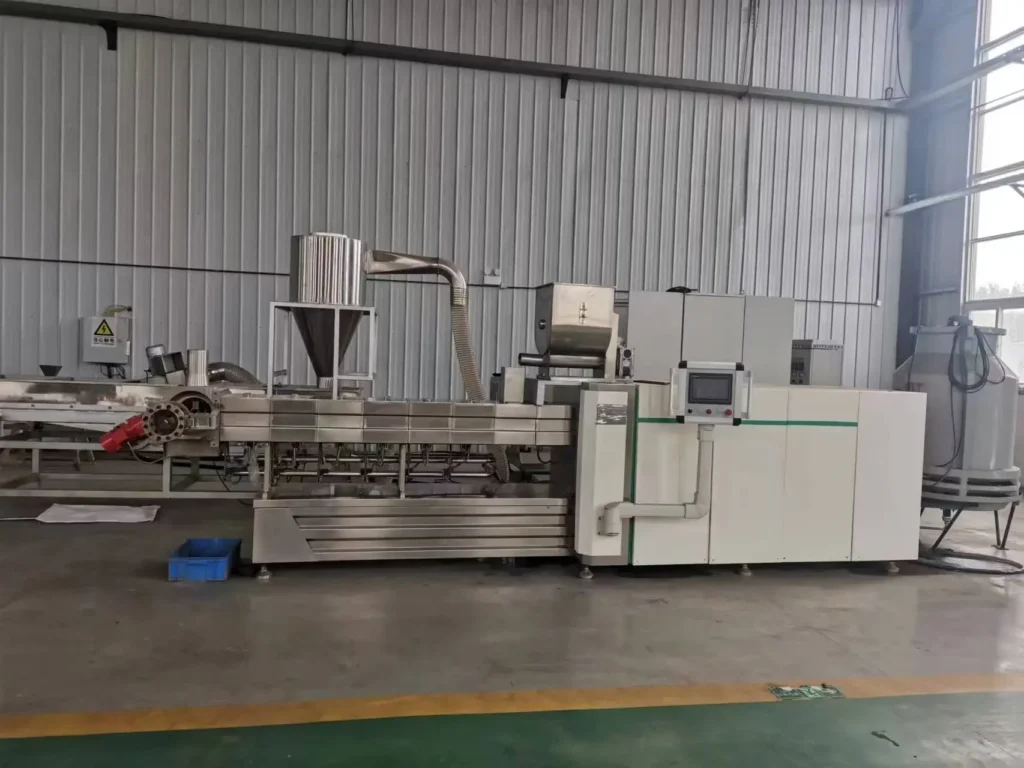
During a site visit to a startup in Jakarta, they were struggling with uneven kibble sizes and frequent die blockages. By adjusting the die L/D ratio and implementing a more gradual barrel temperature profile, we stabilized the extrusion process. The DS70 twin-screw extruder, with its modular screw configuration, allowed us to tweak the SME input precisely, turning a rejected batch into a premium, uniformly expanded kibble.
Once the extrusion parameters are dialed in, the physical environment of the factory dictates the next critical equipment choices.
How to Match Extruder Specs to Local Utilities?
Local industrial power grids and ambient humidity levels in Southeast Asia dictate motor torque specifications and multi-pass dryer sizing, often requiring customized utility matching rather than off-the-shelf solutions.
A common pitfall for new brands is selecting a pet food extruder line Southeast Asia based solely on throughput, ignoring the facility’s infrastructure. In many industrial parks across the region, voltage fluctuations are a daily reality. A standard motor might trip under the high starting torque required when the barrel is fully loaded with a dense, high-meat dough. If the grid voltage drops during peak operation, the motor loses torque, the screws stall, and the product inside the barrel burns, requiring hours of teardown and cleaning.
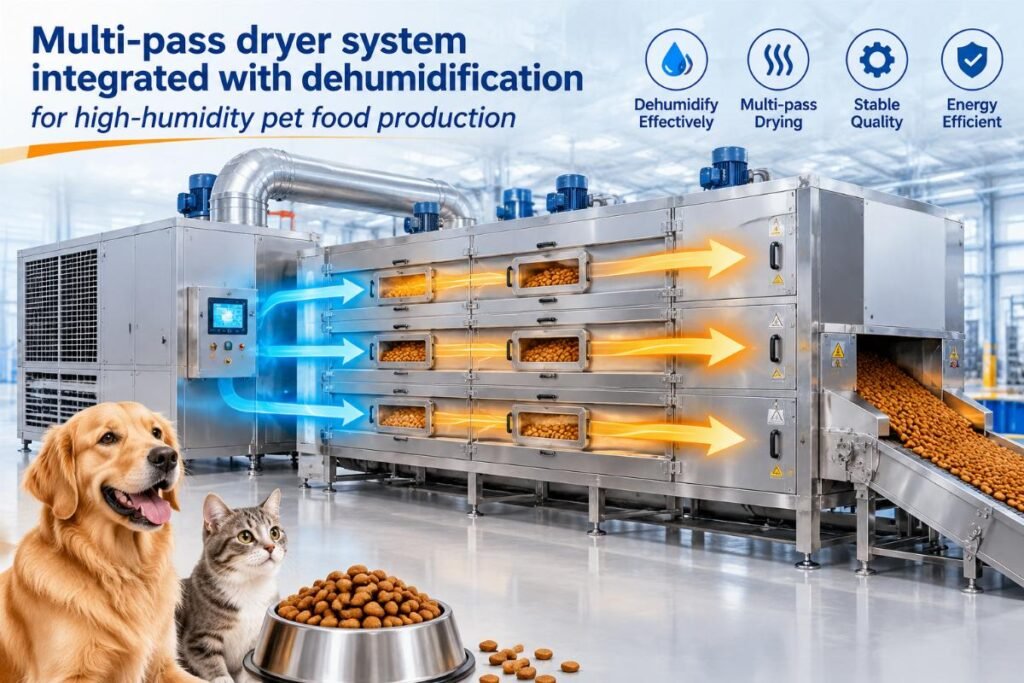
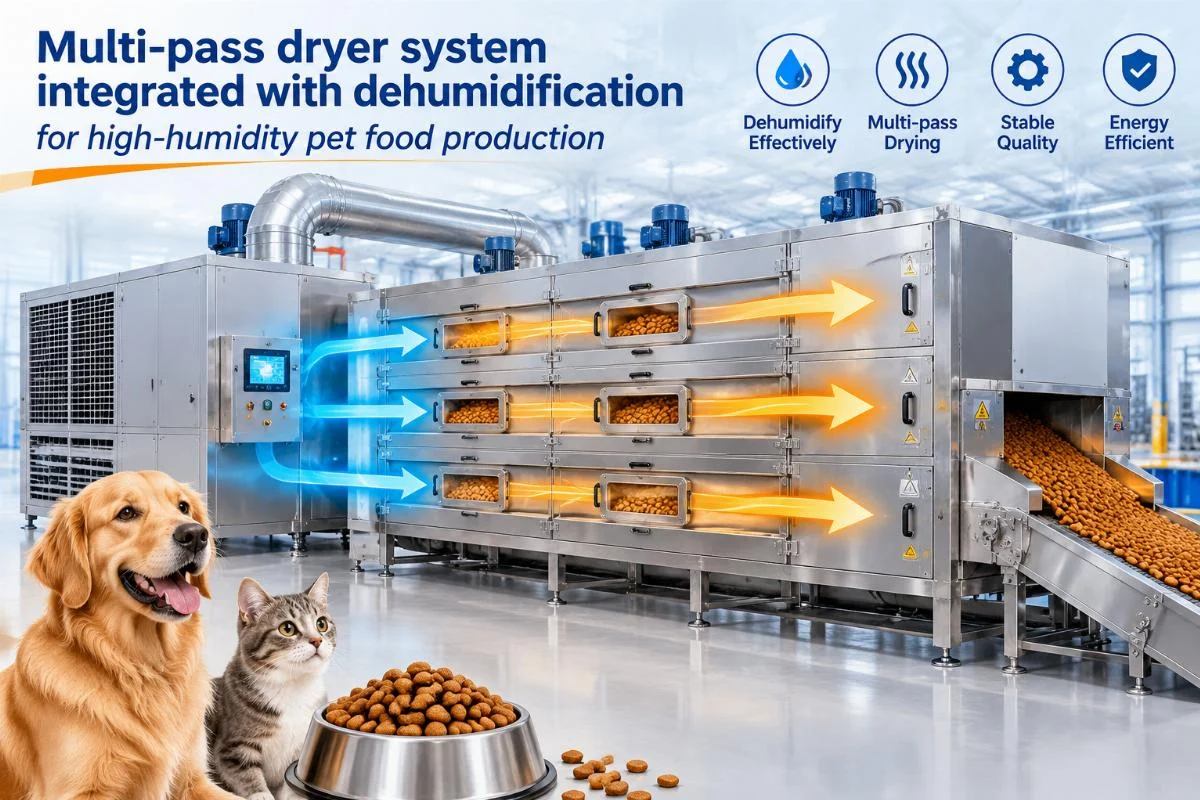
Furthermore, the ambient humidity drastically affects the drying phase. Pet food must be dried from a high-moisture extruded state down to safe storage levels to prevent mold and ensure shelf life. In coastal areas of Vietnam, the air is so saturated with moisture that a standard single-pass dryer simply cannot pull enough water out of the kibble.
| Utility Constraint | Standard Equipment Response | Customized Utility Match |
|---|---|---|
| Voltage Fluctuations | Motor stalls, torque drops, product burn | High-torque motors with soft-start and voltage compensation |
| High Ambient Humidity | Inadequate drying, mold risk, extended batch times | Multi-pass dryers with dehumidified air intake |
| Water Quality Variance | Scaling in cooling jackets, reduced heat transfer | Closed-loop cooling systems with specialized filtration |
We encountered a factory in Vietnam where the kibble was retaining too much moisture, leading to rapid spoilage. The local power grid was also notoriously unstable. By upgrading to motors with customized torque profiles and integrating a multi-pass dryer equipped with air dehumidification, the moisture evaporation rate stabilized. The pet food extruder line Southeast Asia project succeeded not by buying a larger dryer, but by matching the drying technology to the tropical climate and reinforcing the electrical drives.
With extrusion and drying solved, the financial viability of the startup depends on choosing the correct production scale.
What Capacity is Right for Your Startup?
For new pet food brands, production lines in the lower-to-medium capacity range offer the optimal return on investment by minimizing raw material waste during recipe testing and reducing initial capital expenditure.
There is a persistent myth that buying the largest possible pet food extruder line Southeast Asia guarantees economies of scale. For a startup or a new contract manufacturer, this is a costly error. High-capacity lines require massive minimum batch sizes to justify the setup, cleaning, and purge times. If you are still refining your high-meat recipes or testing different kibble shapes for market acceptance, running a giant line means wasting tons of expensive raw materials during changeovers.
A line producing in the lower-to-medium capacity range allows for agile recipe iteration. You can run small batches, test the kibble with focus groups, adjust the formula, and run again without committing to inventory that might not sell.
| Capacity Tier | Best Suited For | Operational Flexibility | Capital Efficiency |
|---|---|---|---|
| Low Capacity | Startups, R&D, niche premium diets | Highly flexible, rapid recipe changes | High ROI for new brands, low waste |
| Medium Capacity | Growing brands, regional contract manufacturers | Balanced flexibility and volume | Good ROI, moderate changeover waste |
| High Capacity | Established national brands, mass-market dry food | Rigid, long production runs | Low unit cost, high initial capital risk |
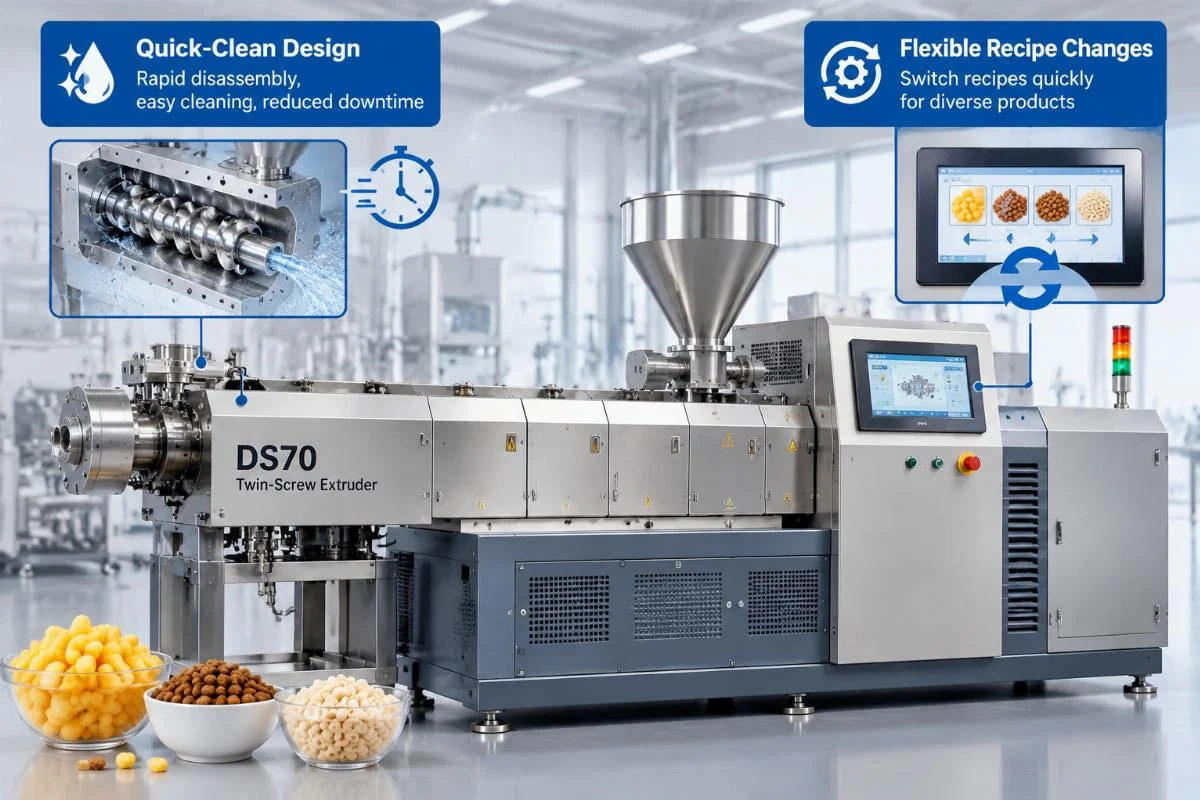
A Thai contract manufacturer initially wanted a massive line to impress investors. However, their business model relied on frequent recipe changes for various boutique pet brands. We recommended a DS70 configuration that prioritized quick-clean features and formula flexibility over sheer volume. The DS70 twin-screw extruder, backed by CE and ISO certifications, provided the sanitary standards required for premium pet food while allowing them to switch recipes efficiently. This agility secured them multiple long-term contracts that a rigid, high-capacity line would have choked on.
Long-term success in this competitive market relies on continuous improvement and technical backing.
How to Ensure Stable Kibble Quality Long-term?
Long-term kibble quality stability relies on comprehensive turnkey support, including on-site formula development and continuous process optimization, rather than just hardware installation.
Installing the machinery is merely the starting line. The pet food industry evolves rapidly, with new nutritional standards and ingredient trends emerging constantly. A startup cannot afford to have their production line become obsolete because they lack the expertise to extrude a new plant-based protein or a novel meat source.
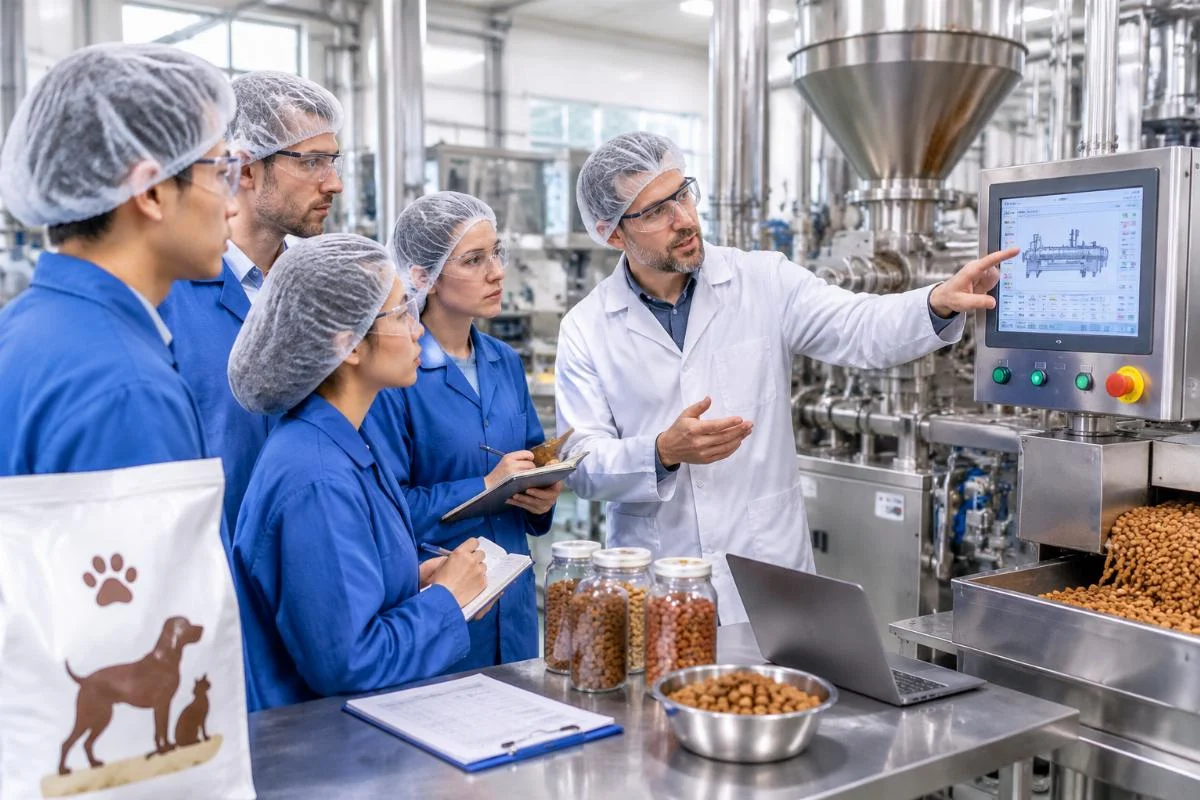
Turnkey support means the equipment manufacturer acts as a process partner. This includes on-site formula development, where engineers work directly with your nutritionists to translate a laboratory recipe into a scalable extrusion process. It also involves operator training that goes beyond button-pushing; operators must understand the relationship between feed rate, moisture content, and barrel temperature to make real-time adjustments.
| Support Element | Basic Hardware Supplier | Turnkey Process Partner |
|---|---|---|
| Formula Development | None, buyer must figure it out | On-site R&D support and recipe scaling |
| Operator Training | Basic machine operation | Deep process understanding and troubleshooting |
| Quality Assurance | Self-reported, basic checks | Verifiable, aligned with international standards |
| Long-term Optimization | Reactive, paid service calls | Proactive process refinement and upgrades |
When we deploy a pet food extruder line Southeast Asia, the focus is on transferring knowledge. Our on-site formula development support ensures that when a client decides to launch a new high-meat puppy formula, they do not have to guess the screw configuration or die settings. We provide the process parameters to ensure the first batch off the line meets the target specifications. This level of integrated support transforms a simple equipment purchase into a reliable, long-term production capability.
Conclusion
Selecting the right extrusion equipment requires aligning mechanical specifications with local infrastructure and raw material realities. A successful pet food extruder line Southeast Asia project depends on matching die configurations to high-meat formulas, adapting to regional power and humidity constraints, and choosing a capacity that allows for agile recipe development. Prioritizing comprehensive process support and turnkey integration ensures that your production line delivers consistent, premium kibble quality from the very first batch and scales reliably as your brand grows.
Machines Mentioned in This Article

cat food machine
Pet Dog Food Extruder Manufacturer Production Line
View Machine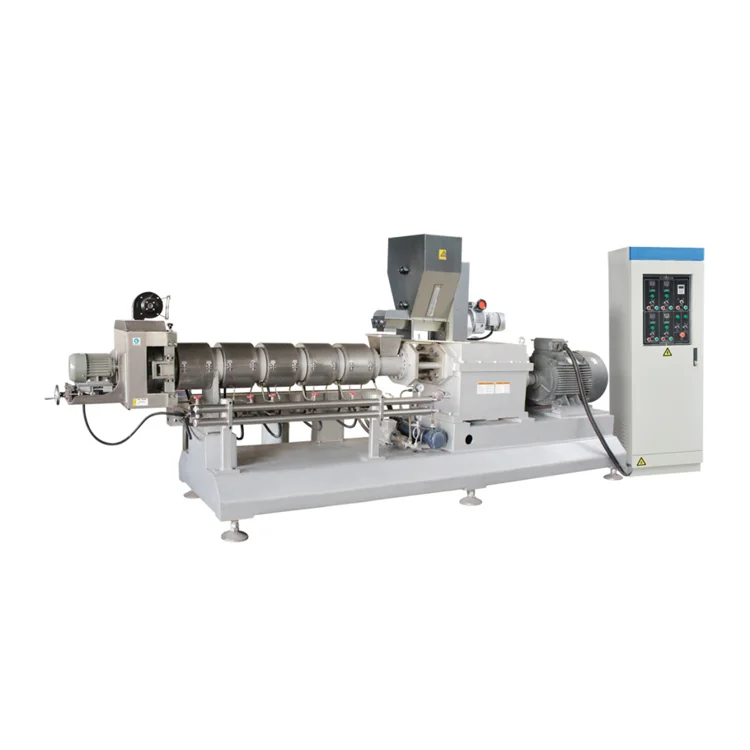
cat food machine
Pet Food Pellet Extruder Machine Manufacturer for Dog Cat
View Machine
cat food machine
Pet Food Extruder Machine Manufacturer Production Line
View Machine
cat food machine