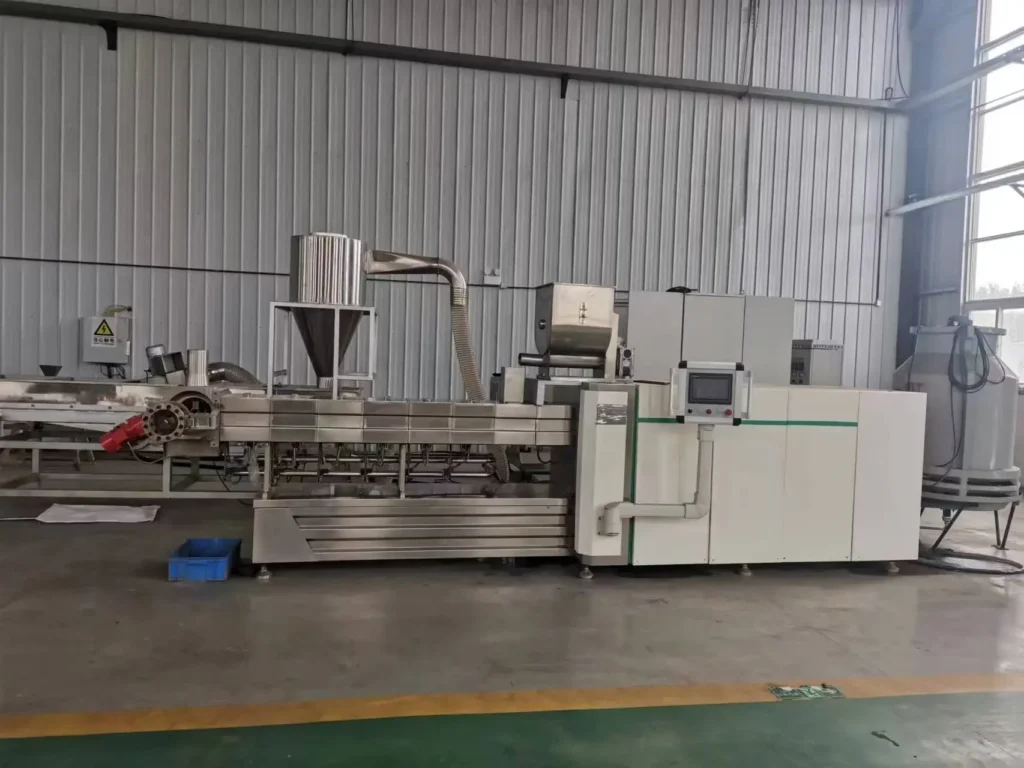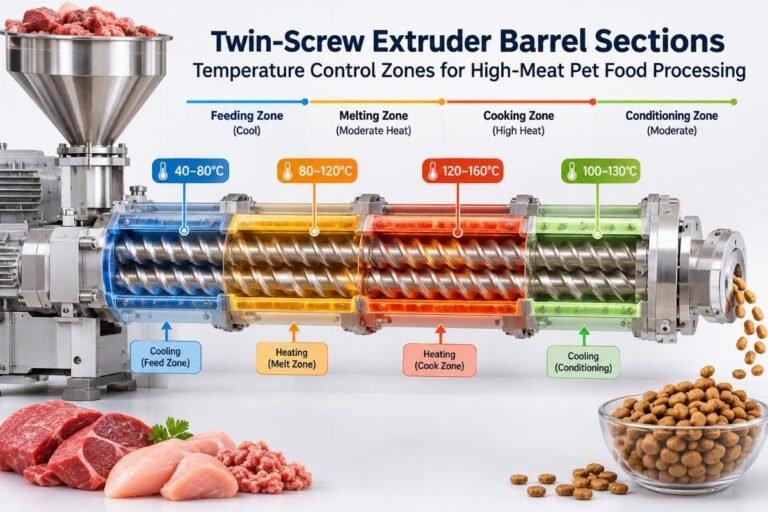

Harder alloys do not guarantee longer extruder screw and barrel wear life if operational habits destroy the surface.
To accurately evaluate extruder screw and barrel wear life before buying, buyers must look beyond material hardness and assess feeding purification systems, temperature control precision, and standardized purging protocols, as these operational factors dictate the actual lifespan of twin screw extruder wear resistance components.
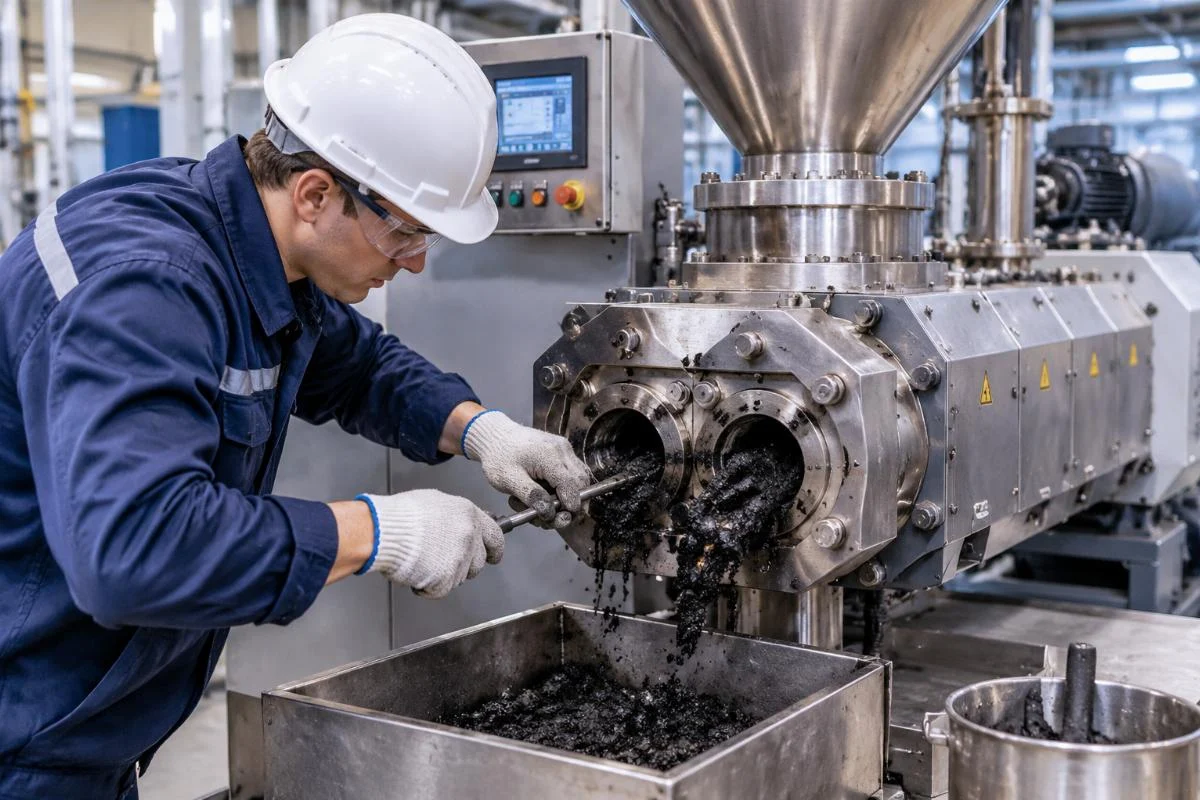
Early in my career, I was commissioning a twin-screw line at a pet food facility in Suzhou. We were running a complex recipe, and I neglected to thoroughly inspect the magnetic separator at the feeding port. A few tiny metal fragments slipped into the hopper. When the machine started, those fragments acted like cutting tools, gouging deep grooves directly into the barrel内壁. The entire screw and barrel set was scrapped in less than a single season, and the client handed me a massive downtime loss report. That moment shifted my entire perspective from backend installation to frontline consulting. I realized that evaluating extruder screw and barrel wear life is never just about reading a metallurgical spec sheet; it is about how the machine handles impurities, thermal stress, and residue. Today, we will break down the real wear profiles of the DS70 and DS85 models to help you make an informed purchasing decision.

Understanding the root causes of degradation is the first step in evaluating extruder screw and barrel wear life effectively.
Why Do Screws and Barrels Wear Out Prematurely?
Premature degradation is predominantly an operational failure, not a metallurgical one.
Many startup owners assume that upgrading to a higher hardness rating will solve their maintenance issues. However, industry failure analysis consistently shows that the majority of premature wear stems from feeding impurities, thermal mismatches, and improper shutdown procedures rather than baseline material fatigue.
When evaluating extruder screw and barrel wear life, you must consider three critical operational vectors:
- Feeding Impurity: Unremoved micro-metal debris bypasses standard magnets and acts as an abrasive, causing deep longitudinal scoring that bypasses even the thickest bimetallic linings.
- Temperature Mismatch: Overheating corrosive or highly abrasive formulas accelerates chemical wear, drastically increasing the degradation rate compared to standard thermal profiles.
- Shutdown Cleaning: Improper purging leaves carbonized residue that hardens during cooldown, requiring excessive mechanical force during the next startup, which chips the alloy surface.

DS70 vs DS85: Which Fits Your Wear Profile?
Choosing between the DS70 and DS85 requires matching the machine’s operational envelope to your specific volume and friction profile, not just selecting the larger option.
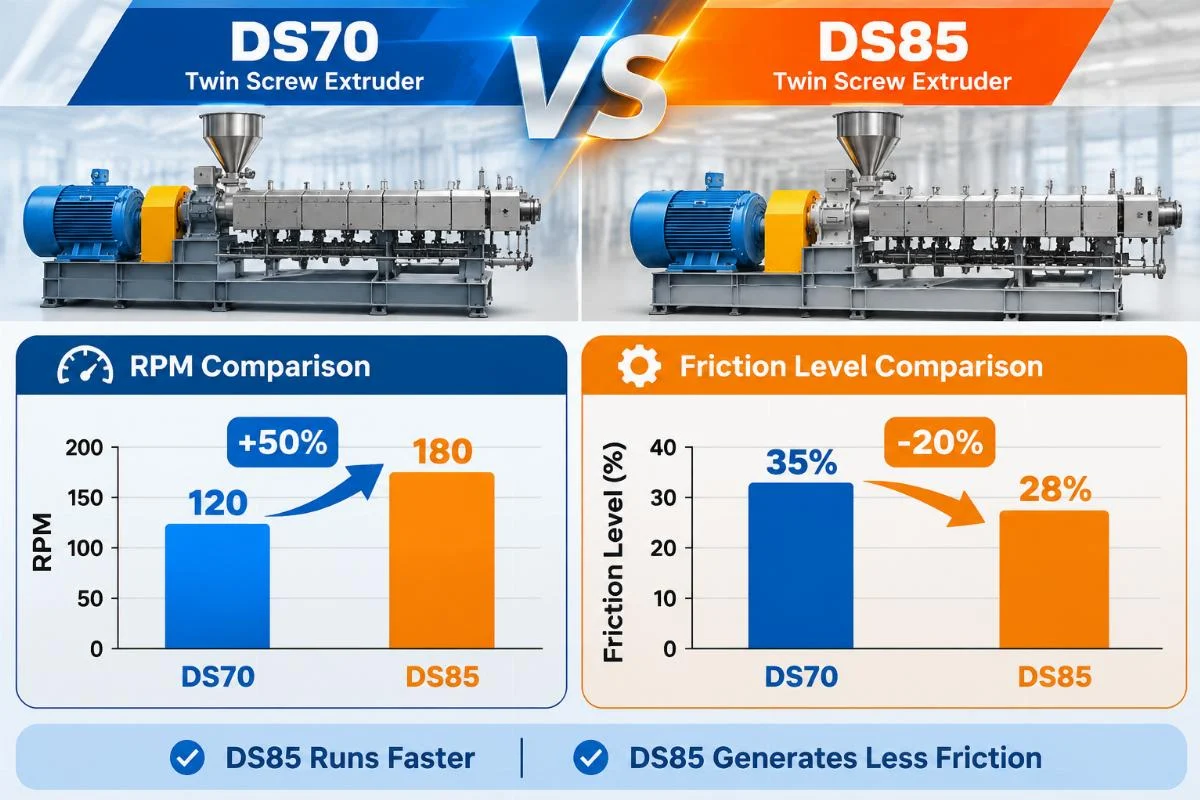
A common misconception is that the larger DS85 will inherently suffer from faster degradation due to its size. In reality, when handling high-volume pet food or aquaculture feed lines, the DS85 often achieves a longer DS70 vs DS85 barrel lifespan because it operates at a lower rotational speed under full load, significantly reducing internal friction and shear heat. Conversely, pushing a DS70 to its absolute capacity limit forces it to run at maximum RPM, accelerating abrasive wear.
When you evaluate extruder screw and barrel wear life across these two models, the operational parameters differ significantly:
| Operational Parameter | DS70 Profile | DS85 Profile |
|---|---|---|
| Volume Capacity | Medium-Volume | High-Volume |
| RPM Under Full Load | High (Increased Friction) | Moderate (Reduced Friction) |
| Bimetallic Lining Option | Available | Available |
| Thermal Stress Risk | Noticeably Higher | Substantially Reduced |
| Ideal Wear Resistance | Standard | Robust |
A Southeast Asian aquaculture feed producer initially opted for multiple DS70 units to meet their floating fish feed targets. They frequently ran the machines at peak RPM, leading to accelerated wear and frequent downtime. After consulting on their pet food extruder maintenance strategy, they transitioned to DS85 units for their highest-volume lines. By allowing the larger barrels to handle the mass at a lower, more stable RPM, the friction dropped noticeably, and the bimetallic layers lasted substantially longer.
How to Verify Wear Resistance Before Buying?
Verifying twin screw extruder wear resistance requires demanding transparency on bimetallic specifications and feeding purification efficiency, not just accepting generic hardness claims.
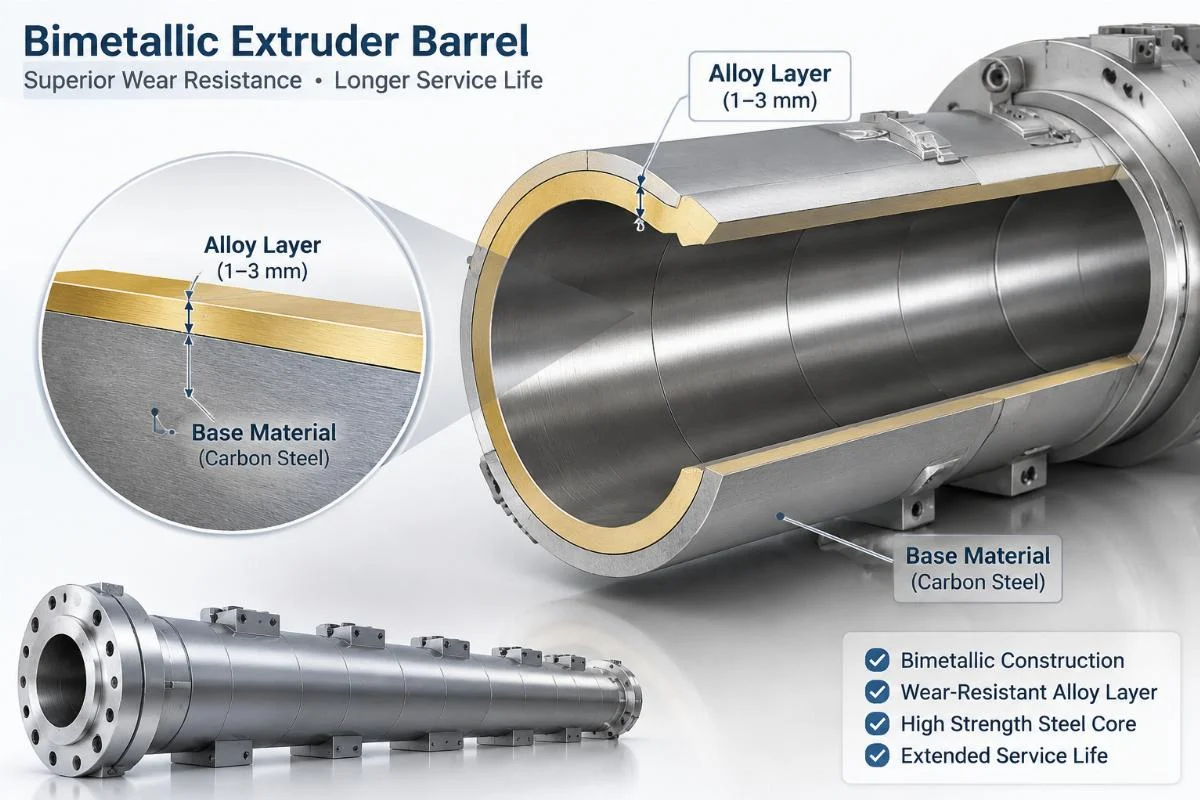
When you evaluate extruder screw and barrel wear life with a manufacturer, you must look past marketing brochures and request verifiable data regarding the alloy composition and the integration of purification systems. A robust manufacturer will provide food-grade 304 or 316 stainless steel construction for the outer housing, paired with specialized bimetallic lining options for the inner working surfaces.
To properly evaluate extruder screw and barrel wear life, ask the supplier the following technical questions:
- Bimetallic Layer Thickness: What is the exact thickness of the wear-resistant alloy layer, and is it applied via centrifugal casting or welding?
- Hardness Consistency: Can they provide metallurgical testing reports confirming the surface hardness reaches the required HRC range without compromising the core toughness?
- Magnetic Separation Integration: Does the feeding system include high-efficiency magnetic separators designed to capture micro-fines before they enter the barrel?
A European pet food startup once requested a turnkey line. During the evaluation phase, they noticed the proposed feeding hopper lacked an integrated high-gradient magnetic separator. By insisting on this addition before finalizing the purchase, they prevented the exact type of catastrophic scoring I witnessed in Suzhou. Verifying these details ensures the machine is built to survive your specific raw material environment.
What Maintenance Extends Barrel Life?
Standardized purging routines and precise temperature curve management are the most effective methods to maximize the operational lifespan of your extrusion line.
Even the most advanced bimetallic barrels will fail prematurely if pet food extruder maintenance is treated as an afterthought. The degradation process is heavily influenced by how the machine is shut down and restarted. Carbonized residue from protein-heavy or high-starch recipes acts like concrete inside the barrel if not properly purged.
To protect your investment and accurately evaluate extruder screw and barrel wear life over the long term, implement these maintenance protocols:
- Standardized Purging: Always use a dedicated purging compound or a safe carrier material to completely clear the barrel of production residue before shutdown. This prevents carbonized buildup from bonding to the bimetallic layer.
- Temperature Curve Adherence: Never exceed the recommended thermal profile for your specific formula. Overheating not only degrades the product but also accelerates the chemical wear of the alloy surface.
- Routine Magnetic Checks: Clean and inspect the feeding port magnets at every shift change to ensure no metallic contaminants are bypassing the system.
Meiteng addresses this by integrating comprehensive turnkey training on proper purging and temperature management into every installation. When we commission a DS70 or DS85 line, our engineers do not just hand over the keys; they train your operators on the exact shutdown sequences and thermal limits required to protect the food-grade 304/316 barrels and bimetallic linings. This operational discipline is what truly separates a machine that lasts a few months from one that runs for years.
Conclusion
Evaluating extruder screw and barrel wear life requires shifting focus from material hardness to operational discipline and system integration.
By understanding the friction profiles of the DS70 versus the DS85, demanding transparency on bimetallic specifications, and enforcing strict purging and temperature protocols, buyers can drastically reduce downtime and maintenance costs. True twin screw extruder wear resistance is achieved when high-quality food-grade machinery meets rigorous, standardized daily operation.
Machines Mentioned in This Article

cat food machine
Pet Food Processing Equipment Plant Manufacturer Dog Food
View Machine
cat food machine
Dry Dog Food Production Line Pet Food Pellet Machine
View Machine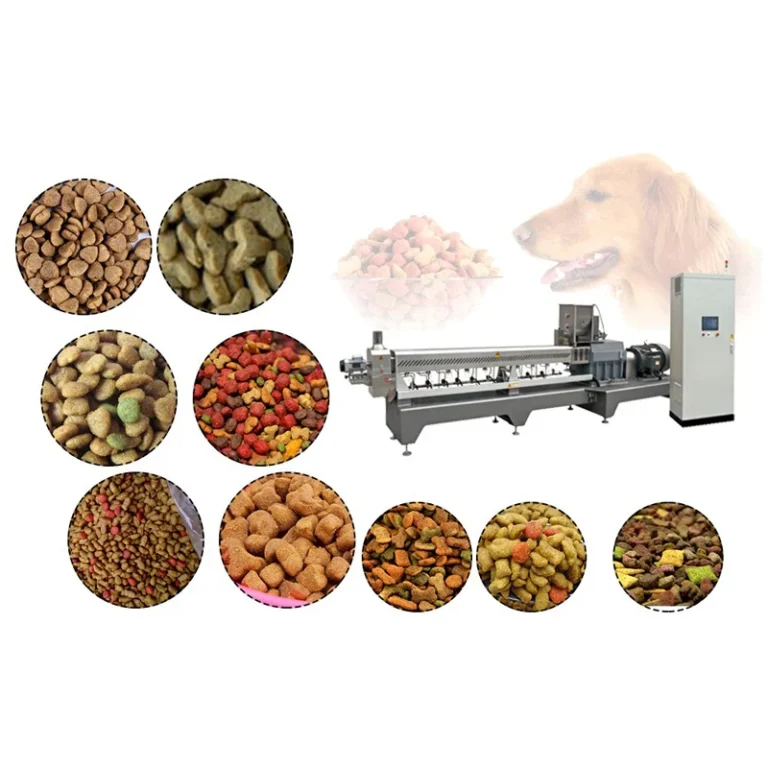
cat food machine
Dog Food Pellet Making Machine Line, Automatic Pet
View Machine
cat food machine