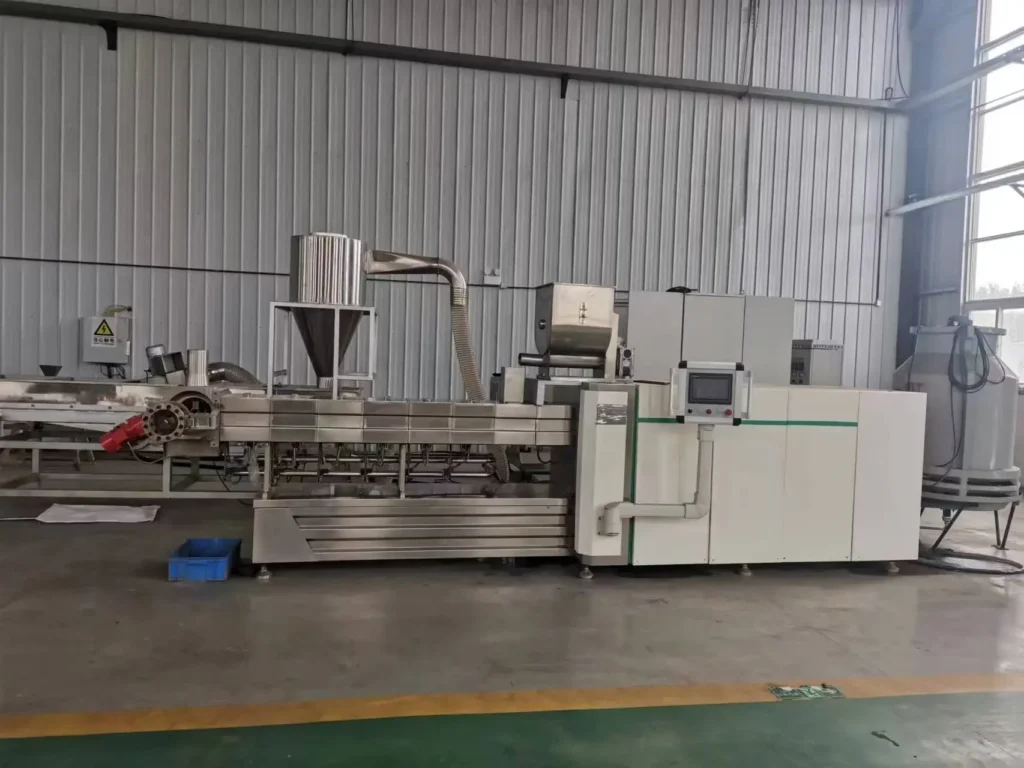

Most plant managers wait for a catastrophic failure before ordering replacements, but the true cost of extrusion downtime is hidden in scrapped batches and lost production, not just the price of the metal.
To prevent line paralysis and ensure consistent kibble quality, you must stock a strategic Kibble extruder spare parts kit based on predictable wear cycles rather than waiting for components to break. A comprehensive kit must include OEM-grade screws, barrels, and dies with strict dimensional tolerances, stocked in quantities calculated from material abrasiveness and running hours to avoid the hidden production losses of cheap aftermarket traps.
I spent my early career installing and troubleshooting extruders in Dongguan, where I saw countless buyers ruin their production schedules by opting for cheap aftermarket components. The core of any twin-screw extruder lies in the die hole precision and screw wear resistance; a deviation of even a fraction of a millimeter results in uneven output and inconsistent kibble density. I remember a specific project at a pet food facility in Nigeria where the management decided to cut costs by sourcing non-OEM dies and screws. During a high-volume run, the mismatched tolerances caused severe friction, leading to uncontrolled temperature spikes. The dough literally baked inside the barrel, causing a massive blockage. The entire line was paralyzed for three days while the maintenance crew used high-pressure water guns to blast the hardened material out of the chamber. That single incident cost them far more than the premium they tried to avoid on a genuine Kibble extruder spare parts kit.
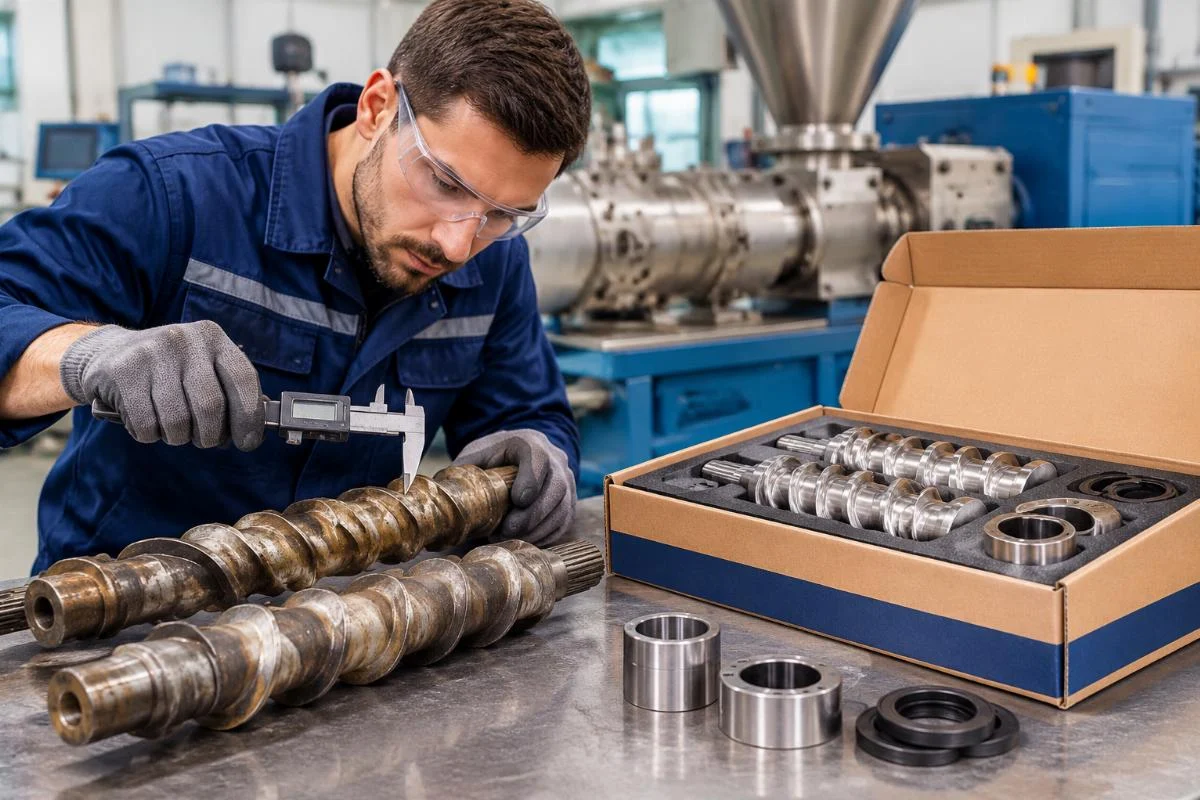
Transitioning from field installation to technical sales, I realized that proactive maintenance is the only way to secure operational efficiency. This shift in mindset is what separates profitable plants from those constantly fighting fires on the production floor.
Why Do You Need a Dedicated Spare Parts Kit?
A dedicated Kibble extruder spare parts kit acts as an insurance policy against unpredictable mechanical failures, ensuring that minor wear does not escalate into major operational halts.
In the pet food industry, consistency is everything. When extruder components wear down unevenly, the shear heat and pressure inside the barrel fluctuate. This leads to uneven extrusion, where some kibble pieces are undercooked and others are scorched. The scrap rate increases noticeably, and the final product fails to meet the dimensional tolerance checks required for proper coating and packaging. Relying on a generic inventory of random bolts and seals is insufficient. You need a specialized pet food extruder maintenance kit designed specifically for the high-stress environment of kibble production.
Consider a scenario where a plant manager ignores the early signs of screw wear. The dimensional tolerance deviation gradually increases, causing the output uniformity to drop. Instead of a smooth, continuous extrusion, the motor struggles against uneven material resistance. By the time the operator notices the irregular kibble shape, an entire batch of raw materials has already been processed and ruined. The financial impact of this scrapped batch, combined with the cleaning effort required to clear the degraded material, dwarfs the initial investment in a proper Kibble extruder spare parts kit.
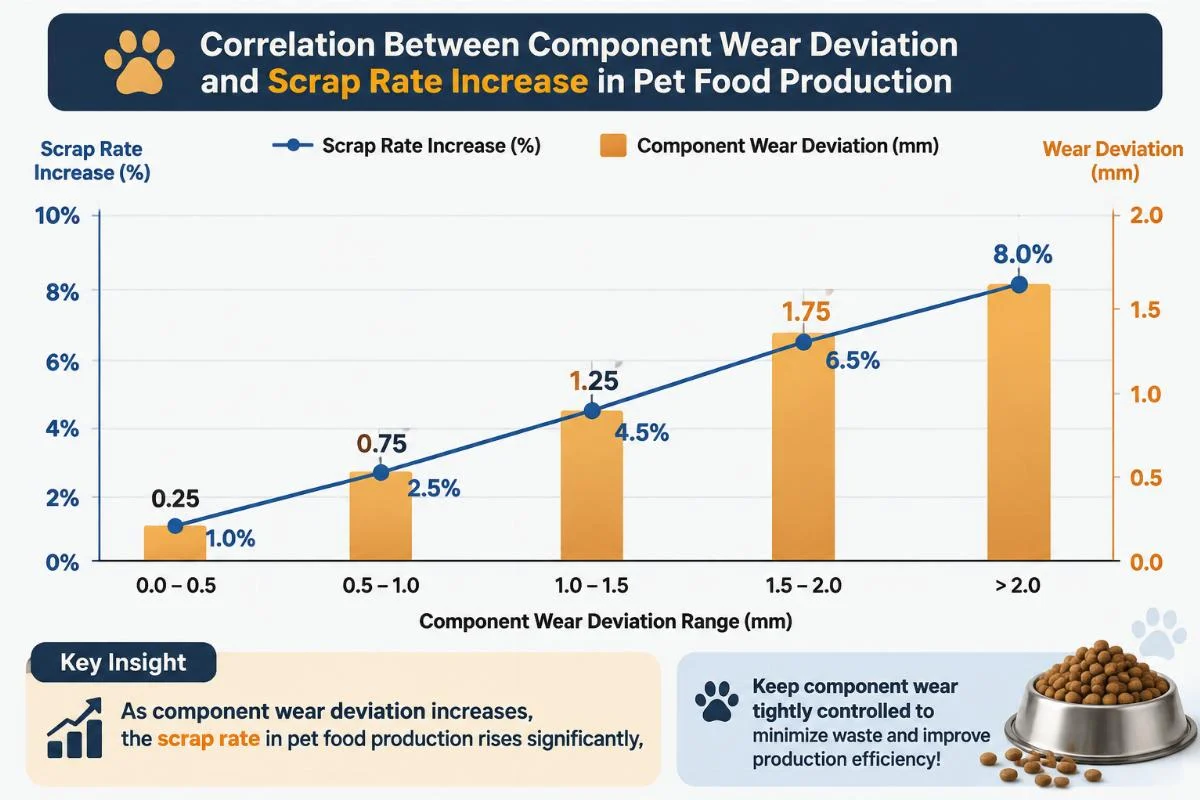
Industry reliability studies consistently show that unplanned downtime in continuous food processing lines results in exponential cost increases, primarily driven by labor inefficiency and raw material waste. Having the right twin screw extruder wear parts on the shelf means you can schedule replacements during planned sanitation shifts, keeping the overall equipment effectiveness high.
What Are the Must-Have Components in Your Kit?
Your inventory must focus on the high-wear items that directly interact with the abrasive raw materials, specifically screws, barrels, and dies, all manufactured to strict OEM dimensional tolerances.
When building your Kibble extruder spare parts kit, you cannot simply buy generic steel rods and drill holes. The metallurgy and machining precision are non-negotiable. The screw elements, especially the conveying and kneading sections, endure massive friction from meat meals, bone meals, and fibrous plant proteins. You need screws made from specialized nitrided alloys that resist abrasion while maintaining their precise flight geometry. If the flight depth varies due to poor manufacturing, the material retention time inside the barrel changes, ruining the gelatinization process essential for kibble digestibility.
The barrel sections are equally critical. The inner liners must withstand the same abrasive forces without losing their internal diameter specifications. A worn barrel creates a gap between the screw flight and the barrel wall, reducing the shear force and causing the material to slip rather than cook properly.
Then there are the dies. The die plate is the final checkpoint for kibble shape and size. Non-OEM dies often have micro-burrs inside the die holes or inconsistent land lengths. This causes the extrudate to exit at varying speeds, leading to broken pieces and uneven drying rates later in the line. A proper extruder screw and die replacement set ensures that every single hole expands the material uniformly. Meiteng provides comprehensive OEM spare parts kits tailored for their twin-screw extruders, emphasizing precision machining that matches the exact thermal and mechanical profiles of the original equipment.

Verifying the material certifications and hardness testing reports for these components is essential. You are not just buying metal; you are buying the guarantee of dimensional stability under extreme thermal cycling.
How to Determine the Right Stocking Quantity?
Stocking quantities must be calculated based on the abrasiveness of your specific raw material recipes and the accumulated running hours, rather than waiting for a physical failure to dictate your orders.
Many buyers make the mistake of ordering a Kibble extruder spare parts kit only after a part snaps or wears completely through. True maintenance relies on predictable wear cycles. To determine the right quantity, you must track the running hours of your screws and dies against the specific formulation you are producing. High-meat formulations with bone content are significantly more abrasive than plant-based carbohydrate recipes. Therefore, the wear rate calculation must be adjusted accordingly.
Start by establishing a baseline. Measure the dimensional tolerance of your screws and dies after a set number of operating hours. Plot this data to identify the wear curve. Once you know the exact hour count at which the wear reaches the critical threshold that affects kibble quality, you can set your reorder point well before that limit.
For example, if your data shows that a specific die plate loses its optimal extrusion pressure after a certain number of hours, you should have a replacement ready at least two cycles prior. This proactive approach allows you to consolidate shipping and manage inventory costs effectively. When you order a full pet food extruder maintenance kit in advance based on these cycles, you avoid the premium freight costs and production delays associated with emergency air shipments.

Equipment reliability studies emphasize that maintaining a calculated buffer stock of critical wear parts reduces the total cost of ownership by eliminating emergency procurement premiums and lost revenue from stalled production lines.
How to Avoid the Trap of Cheap Aftermarket Parts?
Avoiding the aftermarket trap requires strict verification of material certifications, hardness testing, and dimensional precision, as the hidden production losses of cheap parts far exceed their initial purchase price.
The most common counter-intuitive belief in the industry is that cheap aftermarket parts save money. In reality, the real cost is hidden in massive downtime and scrapped batches. I have seen plants switch to alternative suppliers for their Kibble extruder spare parts kit to save a fraction on the invoice, only to lose a mid-six-figure sum in a single month due to inconsistent product quality and frequent blockages.
To avoid this, you must demand verifiable data from your supplier. Do not accept self-reported claims of “high wear resistance.” Require documentation on the specific alloy composition and the heat treatment processes used. The hardness of the screw surfaces must be tested and certified to withstand the specific abrasion profile of pet food ingredients. Furthermore, the dimensional precision of the die holes must be measured using coordinate measuring machines, not just manual calipers.
Meiteng’s approach to manufacturing twin screw extruder wear parts involves rigorous quality control at every machining stage. The focus is on delivering a Kibble extruder spare parts kit that performs identically to the original baseline, ensuring that your extrusion parameters remain stable over the long term. When you verify these factors, you protect your plant from the silent killers of profitability: micro-stoppages, inconsistent kibble density, and excessive energy consumption caused by poor-fitting components.
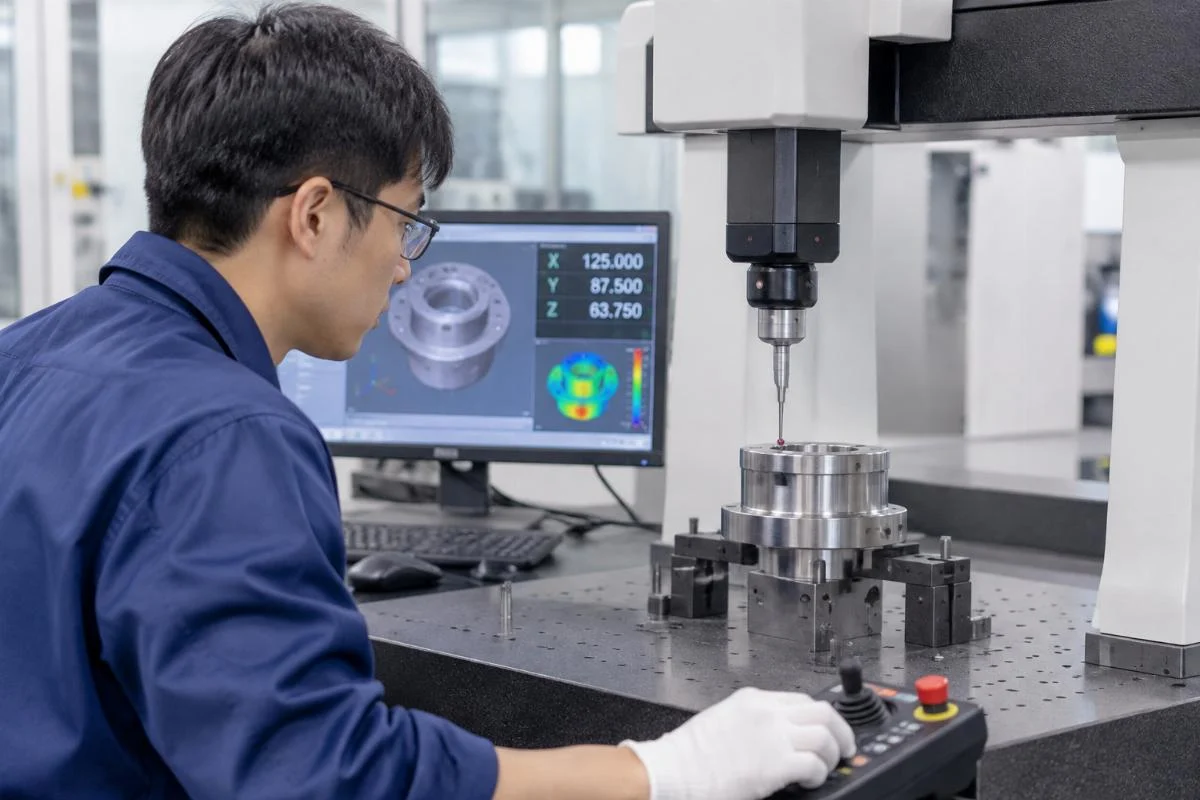
Purchasing decisions should be based on the total lifecycle cost and the assurance of product consistency, not just the initial capital expenditure. A reliable extruder screw and die replacement strategy ensures that your production line runs smoothly, your kibble quality remains premium, and your operational costs stay predictable.
Conclusion
Stocking critical wear parts based on predictable cycles prevents catastrophic line paralysis and ensures consistent kibble quality. A strategic Kibble extruder spare parts kit focused on OEM precision for screws, barrels, and dies protects your production schedule from the hidden costs of cheap aftermarket failures. Calculate your inventory based on material abrasiveness and running hours to maintain operational efficiency and product uniformity.
Machines Mentioned in This Article

cat food machine
Dog Food Extruder Machine Manufacturer for Pet Food Kibble Making Line
View Machine
cat food machine
Pet Food Processing Equipment Plant Manufacturer Dog Food
View Machine
cat food machine
Dry Dog Food Production Line Pet Food Pellet Machine
View Machine
cat food machine