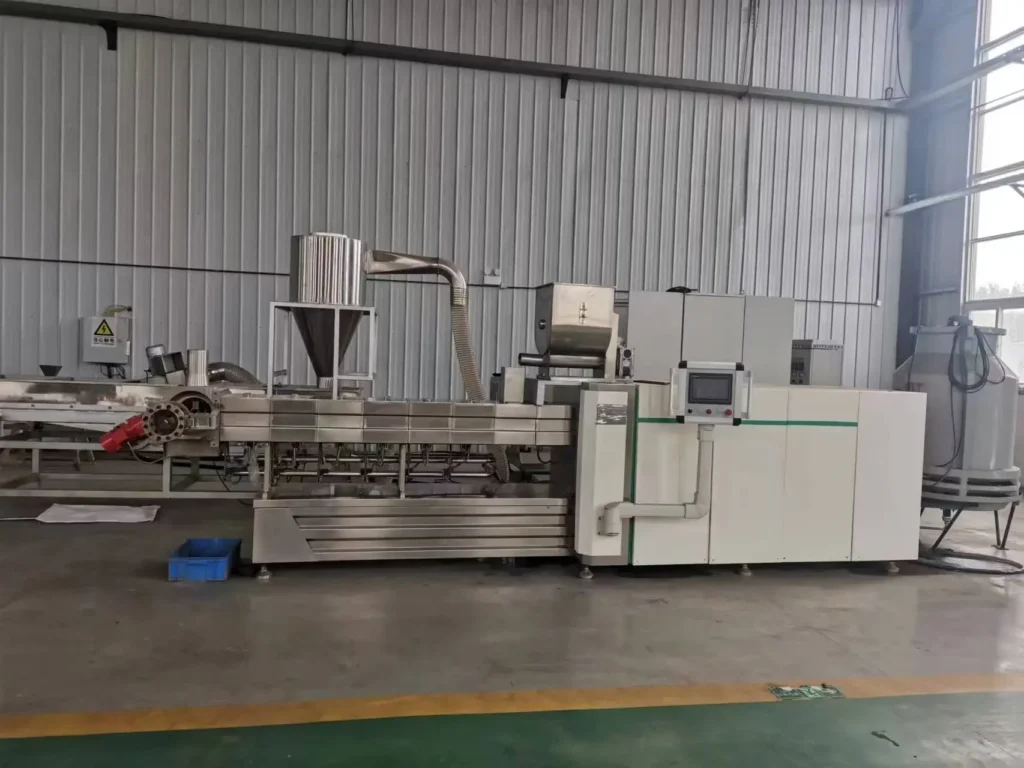

Most buyers assume rail is the undisputed champion for speed when shipping heavy machinery to Eurasia, but oversized equipment often tells a completely different story at the border.
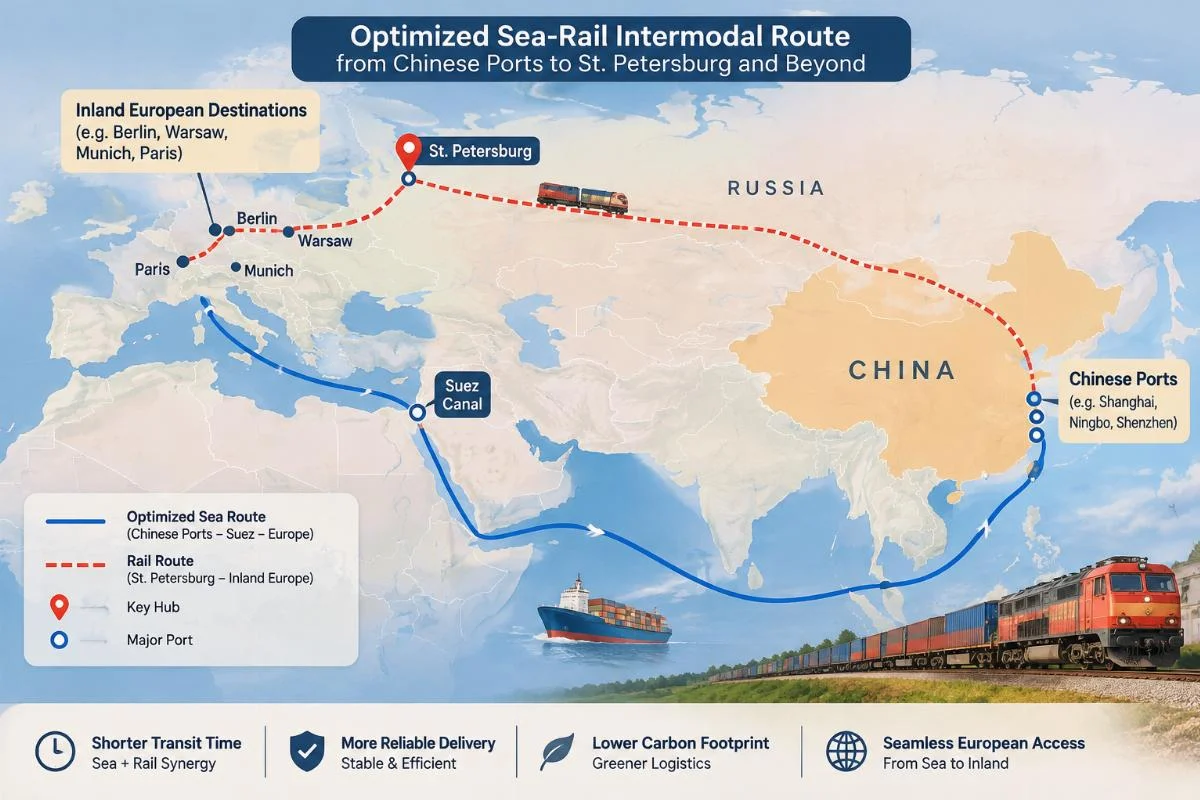
For heavy pet food extrusion lines destined for Europe and Russia, sea freight to St. Petersburg followed by rail transfer offers significantly better cost-efficiency and customs clearance stability than direct rail, despite the longer ocean transit time.
Standing at the Taicang port terminal watching container after container of extrusion machinery roll out, I have seen the logistical nightmares that unfold when procurement teams prioritize theoretical speed over practical reality. Early in my career transitioning from documentation to business development, logistics was my biggest headache. I once arranged a direct rail shipment via the China-Europe Railway Express for a pet food extrusion main machine bound for Moscow. To meet a tight deadline, we bypassed the ocean route. The result? The equipment base exceeded standard rail width limits, and the wooden pallet fumigation marks were barely legible. The cargo was detained at the border crossing. We ended up dismantling the container and transferring the machinery to road transport, which doubled the freight cost and delayed the project by weeks.
Since that incident, a strict operational rule was established: for heavy machinery heading to Russia and Europe, ocean freight to St. Petersburg combined with inland rail transfer is the mandatory standard. The ocean leg might add a few extra days on the water, but the comprehensive cost and customs clearance success rate are vastly superior. When evaluating the Sea vs Rail Freight for Pet Food Extrusion Line, understanding the physical and regulatory constraints of heavy equipment is far more critical than simply looking at a transit schedule.
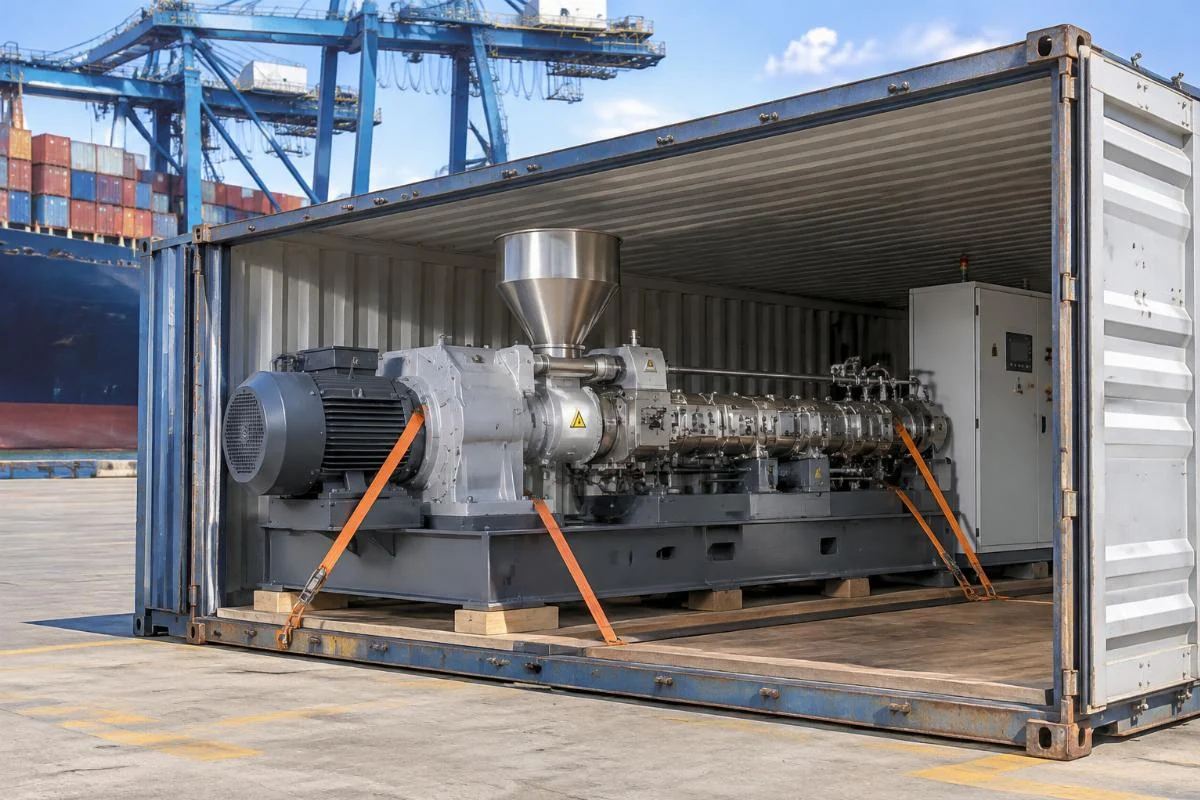
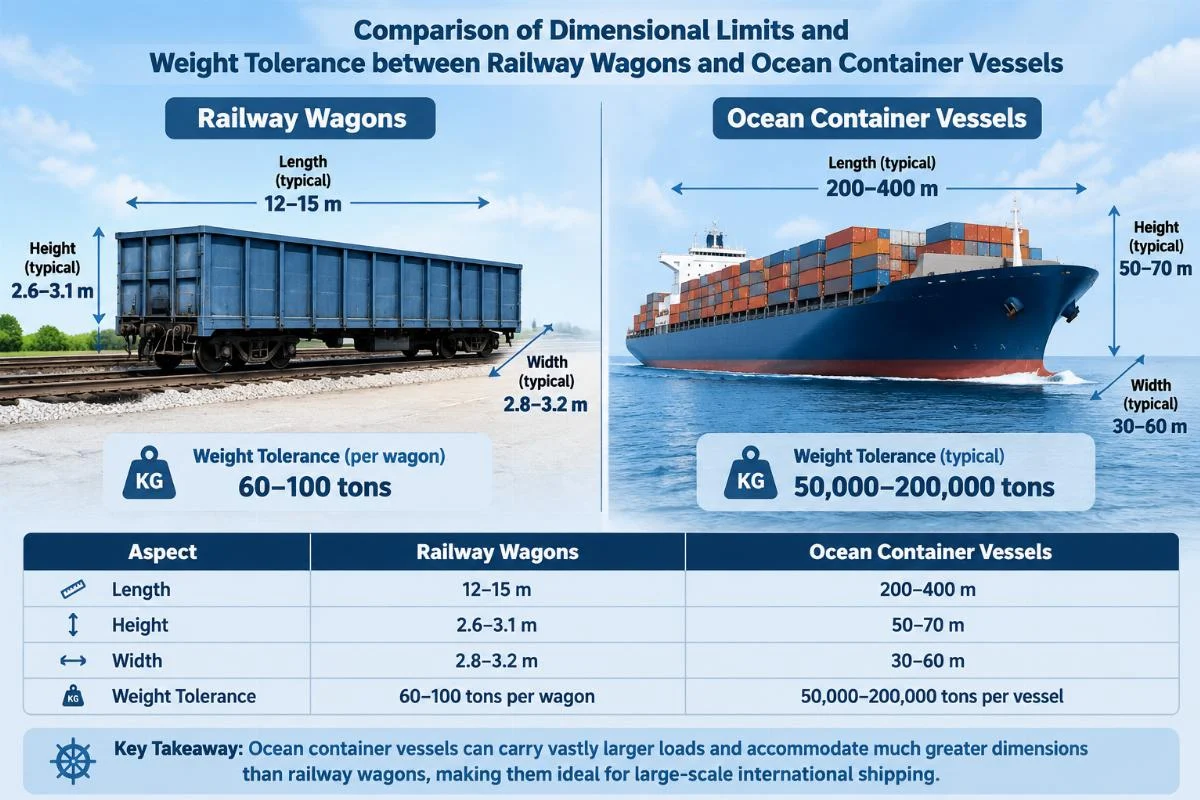
Before diving into the specific routing strategies, it is essential to understand the fundamental physical and regulatory differences between these two transport modes. The choice of Sea vs Rail Freight for Pet Food Extrusion Line is not just about speed; it is about dimensional tolerance and regulatory flexibility.
What Are the Core Differences Between Sea and Rail Freight for Heavy Machinery?
Rail freight is inherently faster but strictly limited by dimensional and weight constraints, whereas sea freight is slower but offers immense flexibility for oversized extrusion lines.
When you are shipping a complete turnkey kibble production line, the main twin-screw extruder is rarely a standard-sized box. It is a massive piece of equipment, often requiring custom crating and heavy-duty securing.
- Dimensional Tolerance: Rail networks, especially those crossing multiple international borders with varying loading gauge standards, have strict width and height limits. An extruder main machine that slightly exceeds these limits will face immediate border rejections. Ocean freight, utilizing standard high-cube containers or flat racks, accommodates oversized cargo with minimal regulatory friction.
- Weight Distribution: Heavy machinery like industrial dryers and large-capacity extruders concentrate weight in specific areas. Rail wagons have strict axle load limits, requiring complex weight distribution plans. Vessels are designed to carry massive, concentrated loads without such granular restrictions.
- Customs Flexibility: Sea ports like St. Petersburg have established, high-volume heavy machinery customs clearance channels. Inland rail border crossings often face congestion and stricter, less predictable inspections for oversized industrial goods.
The core difference lies in the infrastructure’s ability to handle non-standard industrial cargo. While rail is excellent for standardized consumer goods, the Sea vs Rail Freight for Pet Food Extrusion Line debate heavily favors the ocean route when dealing with the physical realities of food processing machinery.
How Do Transit Times and Costs Actually Compare?
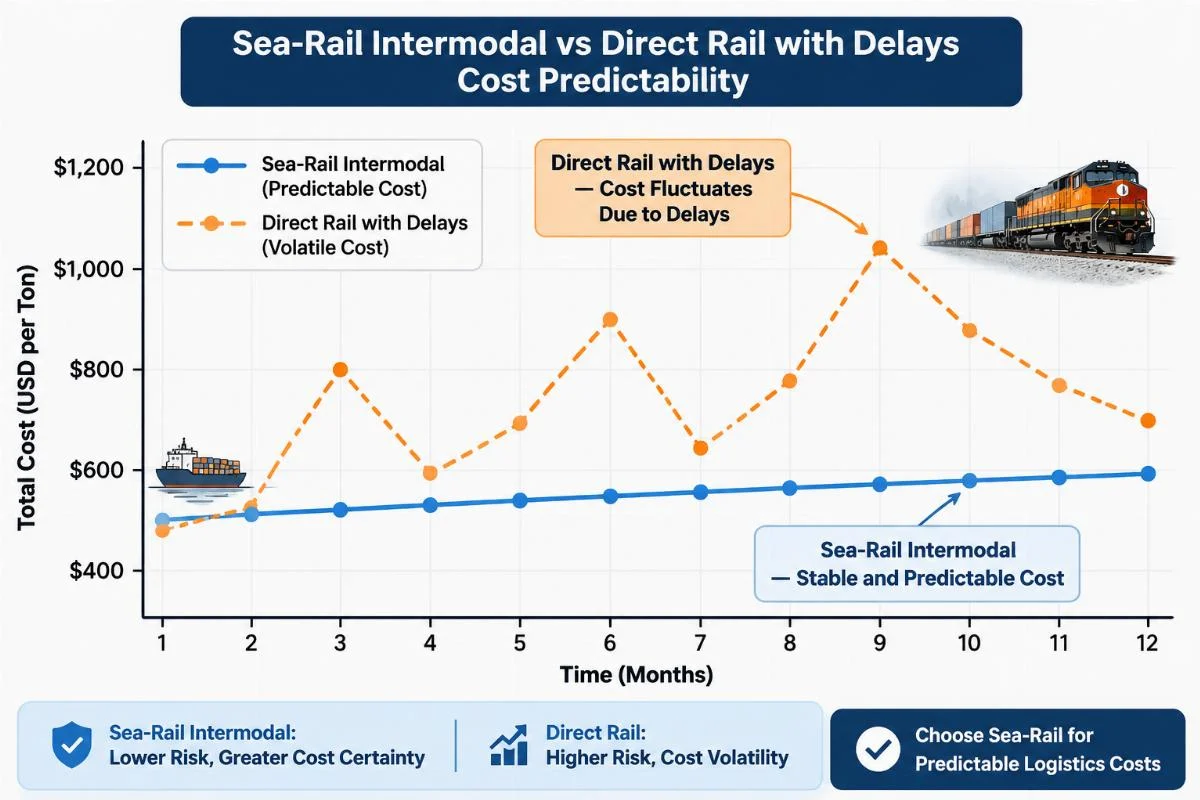
Sea-rail intermodal routing takes longer on paper but actively avoids the hidden, compounding costs of rail border rejections and demurrage.
A common misconception is that saving a few days on the rails automatically translates to financial savings. In the heavy machinery sector, this is rarely true.
Let us look at the cost structure. Direct rail freight charges a premium for speed. However, if your twin-screw extruder or multi-stage drying system gets held up at the border due to dimensional discrepancies or documentation errors, the demurrage charges accumulate daily. Furthermore, the cost of emergency re-routing—such as dismantling a container and hiring heavy-duty flatbed trucks for road transport—can easily multiply the original freight budget several times over.
Conversely, ocean freight to St. Petersburg, followed by a domestic rail transfer to the final destination (like Moscow or further into Europe), operates on a much more predictable cost model. The ocean leg is highly cost-effective for heavy, dense cargo.
| Cost Factor | Direct Rail Freight | Sea-Rail Intermodal |
|---|---|---|
| Base Freight Rate | Noticeably higher | Substantially lower |
| Border Delay Risk | Highly vulnerable | Noticeably reduced |
| Oversized Cargo Handling | Complex and restricted | Highly flexible |
| Hidden Demurrage Costs | Vulnerable to spikes | Standardized and predictable |
| Overall Cost Efficiency | Unpredictable for heavy lines | Robust and stable |
When analyzing the Sea vs Rail Freight for Pet Food Extrusion Line, the total landed cost must include the risk of border friction. A slightly longer transit time via the ocean is a small price to pay for budget certainty. The freight cost sea vs rail Europe calculations often fail to account for the severe financial penalties of border delays.
What Customs and Packaging Pitfalls Must Be Avoided?
Strict adherence to ISPM-15 fumigation standards and precise container loading plans are mandatory to prevent border detention and cargo rejection.
The physical machinery is only half the battle; the packaging and documentation are where many shipments fail. In my early days managing export documentation, I learned that customs authorities are unforgiving regarding wood packaging materials.
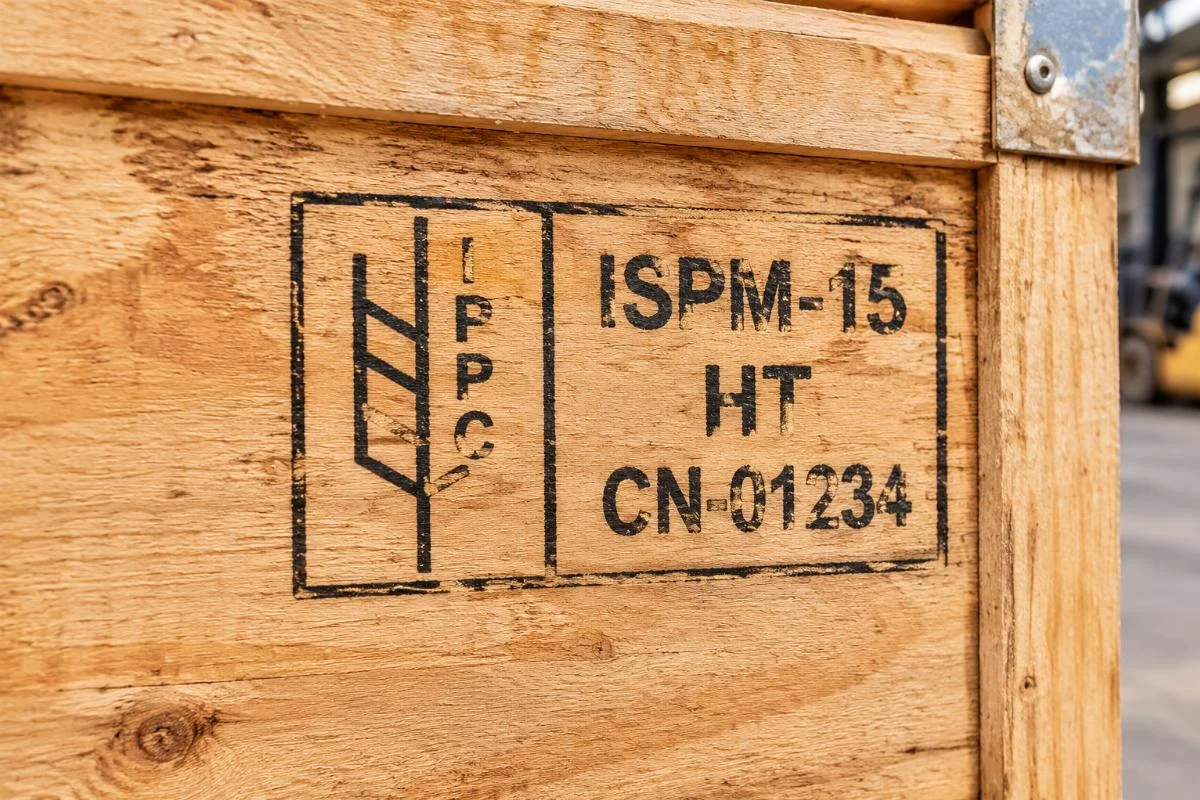
Every wooden pallet, crate, or support block used to secure the pet food extrusion line must be fumigated and clearly stamped with the ISPM-15 mark. If the stamp is faded, missing, or illegible, the entire container can be rejected at the border. The cost of re-fumigation, combined with the storage fees while waiting for treatment, is a painful lesson.
Furthermore, precise dimension planning is critical. When consolidating a full production line—including the mixer, extruder, dryer, and flavor coating system—into containers, the loading plan must be calculated down to the millimeter. At Meiteng, our export documentation and container-load consolidation teams meticulously plan the stowage of twin-screw extruders to ensure the center of gravity is correct and the overall dimensions strictly comply with the chosen transport mode’s limits.
- Fumigation Compliance: Ensure all wood packaging bears the visible, standardized ISPM-15 stamp.
- Loading Geometry: Calculate the exact footprint of the extruder main machine to avoid width overhangs in standard containers.
- HS Code Accuracy: Misclassifying machinery parts can trigger lengthy customs inspections. Proper classification for integrated food processing lines is essential.
Avoiding these pitfalls is a core component of successfully navigating the Sea vs Rail Freight for Pet Food Extrusion Line landscape. Proper preparation at the origin port prevents catastrophic delays at the destination border.
Which Route is Best for Your Pet Food Production Line?
For turnkey extrusion projects targeting Russia and Europe, the sea-to-St. Petersburg-then-rail route remains the most stable and reliable choice.
When a startup owner or procurement manager is launching a new dry pet food or aquaculture feed facility, the focus must remain on the production launch, not on firefighting logistics. The temptation to choose direct rail for a perceived time advantage is strong, but the reality of heavy machinery logistics dictates otherwise.
The sea-rail intermodal route provides a buffer. The ocean leg allows ample time for final documentation checks and ensures the cargo is handled in environments designed for massive industrial equipment. Once the vessel docks at St. Petersburg, the established rail network takes over for the inland journey, bypassing the most stringent and congested land-border crossings.
This route optimization is not just about moving metal; it is about protecting your project timeline and budget. By utilizing comprehensive export documentation and precise dimension planning, suppliers can guarantee that the heavy machinery export logistics China operations run smoothly.
Ultimately, when weighing the Sea vs Rail Freight for Pet Food Extrusion Line, stability and cost-predictability must outweigh the illusion of speed. The ocean route delivers the equipment safely, legally, and within budget, allowing you to focus on what truly matters: formulating your recipes, installing the line, and starting production.
Conclusion
Choosing the right logistics route is as critical as selecting the right extrusion technology for your production line.
While direct rail offers theoretical speed, the physical dimensions of heavy extrusion machinery and strict border regulations make the sea-rail intermodal route to St. Petersburg the superior choice for cost-efficiency and customs stability. By prioritizing precise loading plans and strict ISPM-15 compliance, buyers can avoid hidden demurrage costs and ensure their pet food production lines arrive ready for installation.
Machines Mentioned in This Article

cat food machine
Dog Food Extruder Machine Manufacturer for Pet Food Kibble Making Line
View Machine
cat food machine
Pet Food Production Line Manufacturer
View Machine
cat food machine
Dog Food Production Line Manufacturer
View Machine
cat food machine