True OEM is never just about painting the machine; it is about rewriting the nameplate to survive local customs.
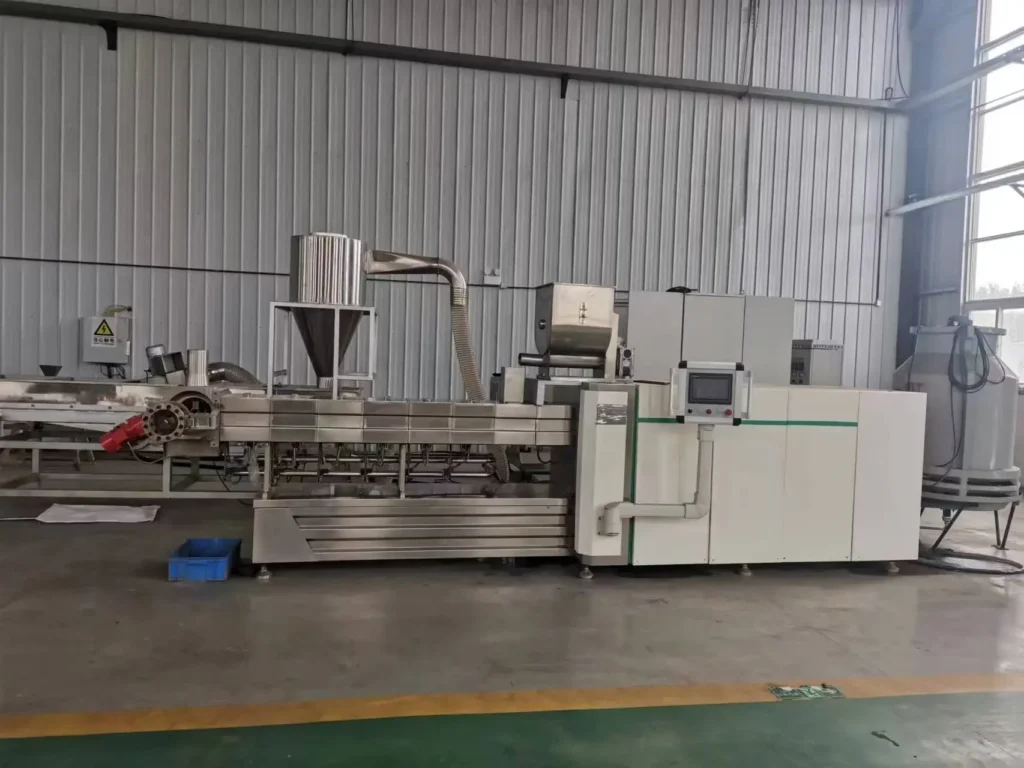
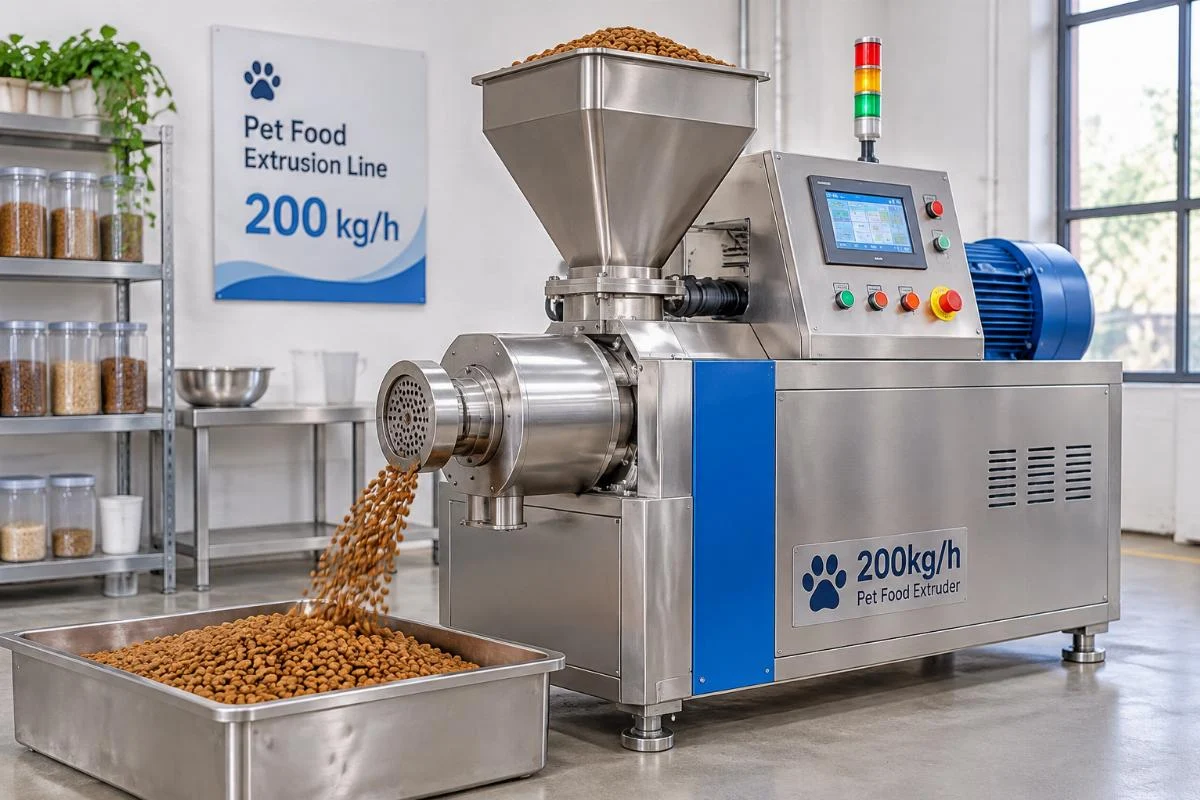
Sourcing a 200 kg/h pet food extruder machine for private-label production requires strict alignment between nameplate specs and destination country import certifications to avoid port detention, making technical compliance the core of any successful turnkey line setup.
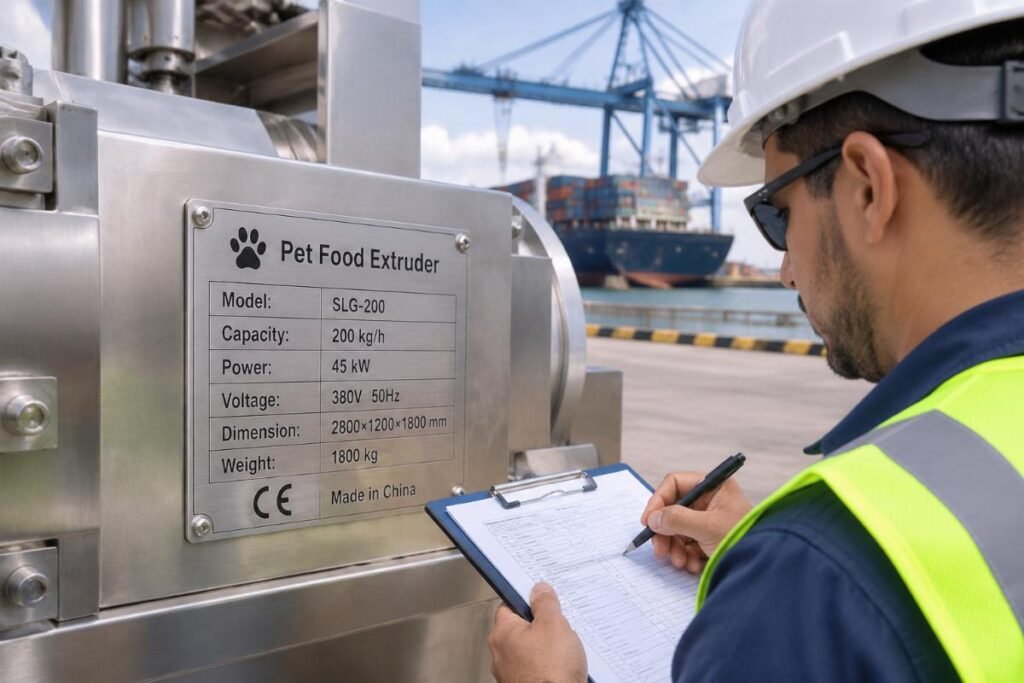
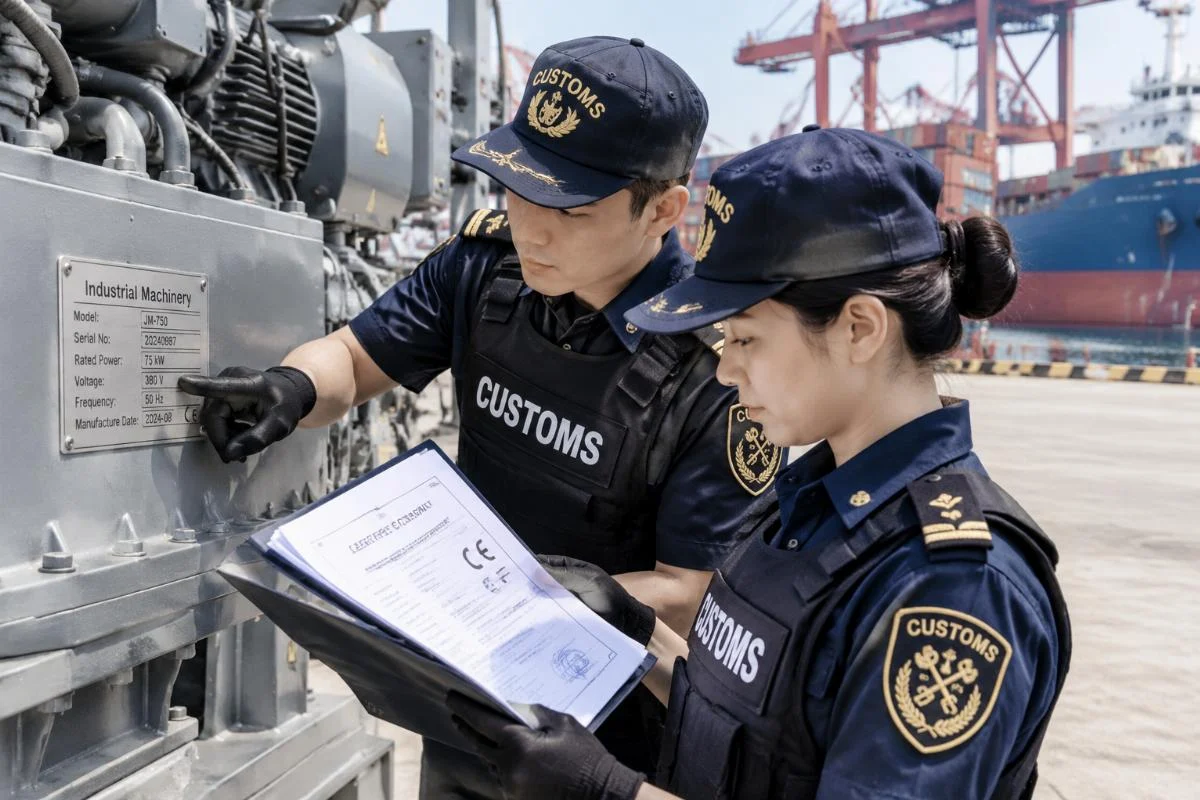
Years ago, I spent my days running shipping documents at the port before transitioning into machinery foreign trade, dealing mostly with Latin American clients. I still remember a shipment of a 200 kg/h pet food extruder machine sent to the Manzanillo port in Mexico. The local buyer wanted to rebrand it for their startup. The disaster struck when customs officers realized the motor power on the OEM nameplate did not match the commercial invoice, and the mandatory NOM certification was completely missing. The machine was held at the port, and the daily detention fees quickly escalated to a mid-six-figure loss, almost matching the equipment cost itself. The buyer emailed me daily in frustration, and we had to work overnight to amend the documents and rush the certification before the cargo was finally released. That incident fundamentally changed how I handle small-capacity OEM orders, ensuring every decimal point on the nameplate aligns with local electrical codes.
From that point on, I realized that buyers often focus too much on the extrusion technology and ignore the bureaucratic reality of international trade. Let us break down how to navigate this process smoothly.
Why 200 kg/h is the Sweet Spot for Private-Label Startups?
Most startups mistakenly believe that buying a larger capacity machine saves money in the long run, but for new private-label brands, a 200 kg/h pet food extruder machine actually minimizes raw material waste during recipe testing.
When you are launching a new pet food brand, your initial phase is dominated by formula trials, market sampling, and small-batch production runs. Running a massive industrial line for a fifty-kilogram test batch is economically unviable and technically difficult to control. A 200 kg/h pet food extruder machine strikes the perfect balance between low minimum order quantity testing and commercial viability.
I have seen numerous entrepreneurs in Africa and the Middle East struggle with power grid limitations. A larger machine might require a voltage and frequency adaptation cycle that local grids simply cannot support without expensive transformers. The smaller footprint and manageable power draw of this capacity range allow startups to begin production immediately without upgrading their facility’s electrical infrastructure. Furthermore, it provides enough output to fulfill initial contract manufacturing orders while keeping inventory risks low.
Twin-Screw vs Single-Screw: Which Fits Your Recipe?
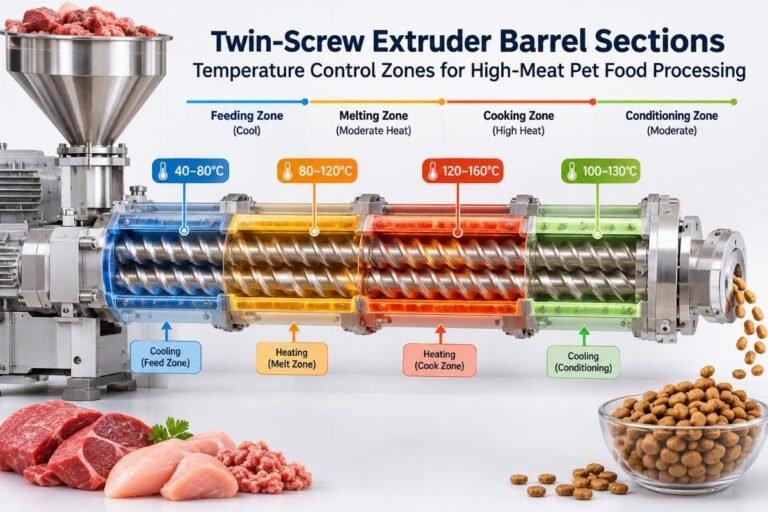
The choice between extrusion technologies dictates your formula flexibility, especially when dealing with high-meat content or complex nutritional profiles.
If you are producing basic corn-based kibble, a single-screw setup might suffice. However, the modern pet food market demands high-protein, grain-free, or fresh-meat-included recipes. This is where the mechanical differences become critical. A twin-screw design offers self-wiping capabilities and better control over the residence time and shear force inside the barrel.
Let us look at how these configurations compare in a real-world OEM scenario:
| Parameter | Single-Screw Configuration | Twin-Screw Configuration |
|---|---|---|
| Formula Flexibility | Basic / Limited | Robust / Highly Flexible |
| High-Meat Adaptation | Vulnerable | Resistant |
| Puffing Degree Control | Uncontrolled | Controlled |
| L/D Ratio Impact | Noticeably reduced | Substantially extended |
For a contract manufacturer testing a new hypoallergenic recipe with high fresh-meat inclusion, the twin-screw 200 kg/h pet food extruder machine prevents ingredient separation and ensures a uniform puffing degree. Choosing the wrong screw configuration early on can lead to a product that fails to meet the nutritional claims on your packaging.

What OEM Pitfalls Ruin Customs Clearance?
Missing local certifications and nameplate parameter mismatches are the primary reasons industrial machinery gets detained at international borders.
Many buyers think OEM simply means slapping their logo on the hopper. True OEM requires rewriting the nameplate parameters to match local electrical codes and safety standards. If your destination country requires CE, ISO, or regional mandatory certifications like NOM or UL, these must be explicitly stated and verifiable on the documentation.
Consider a contract manufacturer in the MENA region operating in a highly humid coastal climate. They initially opted for standard 304 stainless steel to cut costs. However, the equipment lifespan ratio dropped noticeably due to rapid corrosion in the humid environment, forcing them to halt production for maintenance. Upgrading to 316 stainless steel construction, which meets 3-A sanitary standards, became a mandatory requirement for their subsequent orders to ensure food-grade safety and equipment longevity.
When sourcing your 200 kg/h pet food extruder machine, you must verify that the manufacturer enforces strict OEM nameplate verification. The motor power, voltage, frequency, and safety warnings must perfectly mirror the commercial invoice and the local import declaration. A single mismatch can trigger a customs hold that costs several times the savings you sought by choosing a cheaper supplier.
How to Verify a Turnkey Line Supplier?
A reliable turnkey supplier provides more than just hardware; they deliver formula development support, remote diagnostics, and verifiable factory trials.
Setting up a pet food production line involves multiple integrated systems, from raw material intake to drying, cooling, and flavor-coating. Evaluating a supplier requires looking beyond the brochure. You need to confirm their ability to support your specific business connection, whether you are a startup owner or an established contract manufacturer.
Follow these steps to verify a potential partner:
- Request Factory Trials with Your Formula: Do not settle for standard corn tests. Send your specific recipe, especially if it contains high-meat or novel proteins, to verify the extrusion stability.
- Evaluate Formula Development Support: A competent manufacturer should offer R&D support to help you adjust hydration and texturization parameters for new product startups.
- Check After-Sales Remote Diagnostics: Multi-language technical support and the ability to troubleshoot via remote diagnostic assistance are crucial when operating across different time zones.
- Verify Certification Authenticity: Ensure that CE and ISO 9001 certifications are current and apply to the exact 200 kg/h pet food extruder machine model you are purchasing, not just a generic factory certificate.
A European wind farm operator once told me that they evaluate machinery suppliers by how they handle a crisis, not how they sell during a boom. The same logic applies to pet food startups. Your supplier must be capable of container-load consolidation with accurate export documentation and provide on-site installation and operator training to ensure your team can run the line independently from day one.

Conclusion
Technical compliance and formula flexibility are the true pillars of a successful private-label pet food launch.
Selecting the right 200 kg/h pet food extruder machine goes far beyond comparing extrusion capacities; it demands a rigorous approach to OEM nameplate accuracy, local certification alignment, and screw configuration matching your recipe’s complexity. By prioritizing these technical and bureaucratic details, startups and contract manufacturers can avoid costly port detentions and ensure a smooth transition from formula testing to commercial production.
Machines Mentioned in This Article

cat food machine
Pet Food Processing Equipment Plant Manufacturer Dog Food
View Machine
cat food machine
Dry Dog Food Production Line Pet Food Pellet Machine
View Machine
cat food machine
Dog Food Pellet Making Machine Line, Automatic Pet
View Machine
cat food machine