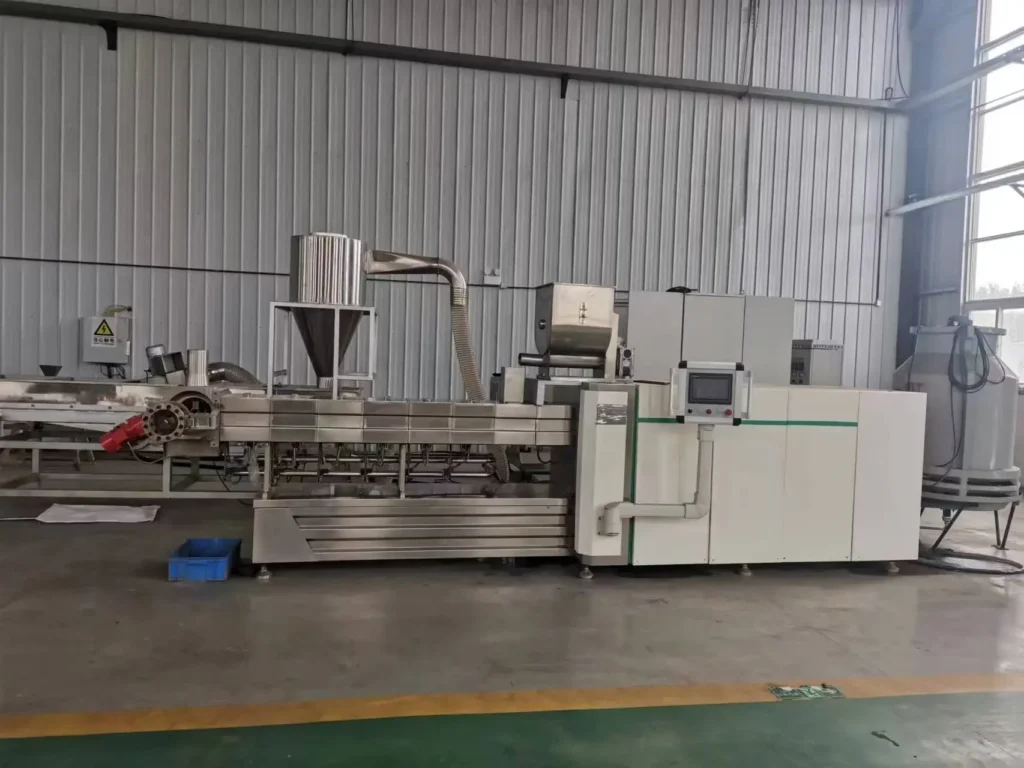
Most buyers obsess over hole sizes when blocking occurs, but improper flow angles and loose machining tolerances are the real culprits behind uneven extrusion.
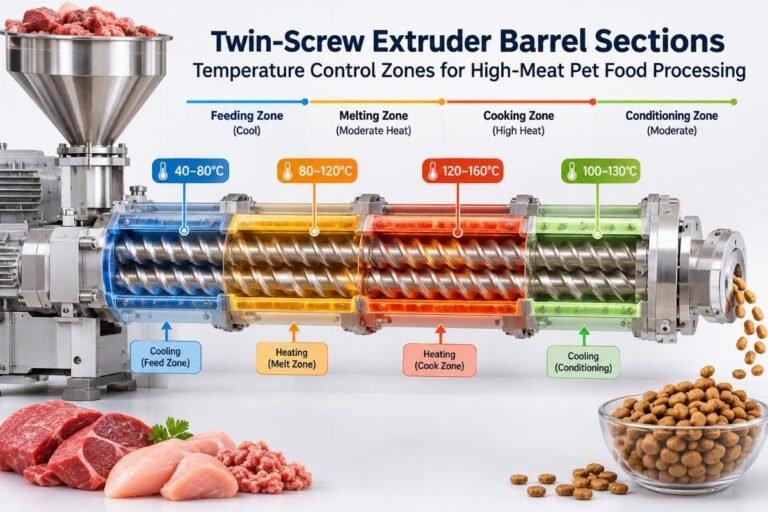
Selecting the right dog food kibble dies and moulds requires balancing food-grade material durability, strict machining tolerances, and optimized shape design to ensure smooth extrusion, prevent blockages, and extend service life on twin-screw extruders.
I still remember a specific order for a bone-shaped pet food die plate destined for the Middle East. The client wanted a highly detailed shape, but the hole position tolerance deviation was not strictly controlled during the milling process. When the dog food kibble dies and moulds were installed on the twin-screw extruder, the discharge was completely uneven. The material backed up, blocked the machine, and scrapped an entire batch of raw ingredients. We had to absorb the material costs and nearly lost the account. Since that day, I never discuss hole diameter theories without first verifying the actual discharge status and tolerance reports on the shop floor. When sourcing custom pet food kibble dies, material certification and micron-level precision are the absolute baseline for production survival.
Understanding how to choose shaped dog food moulds goes far beyond simply picking a cute shape; it demands a rigorous evaluation of metallurgical properties and mechanical precision.
What Are the Key Materials for Dog Food Dies?
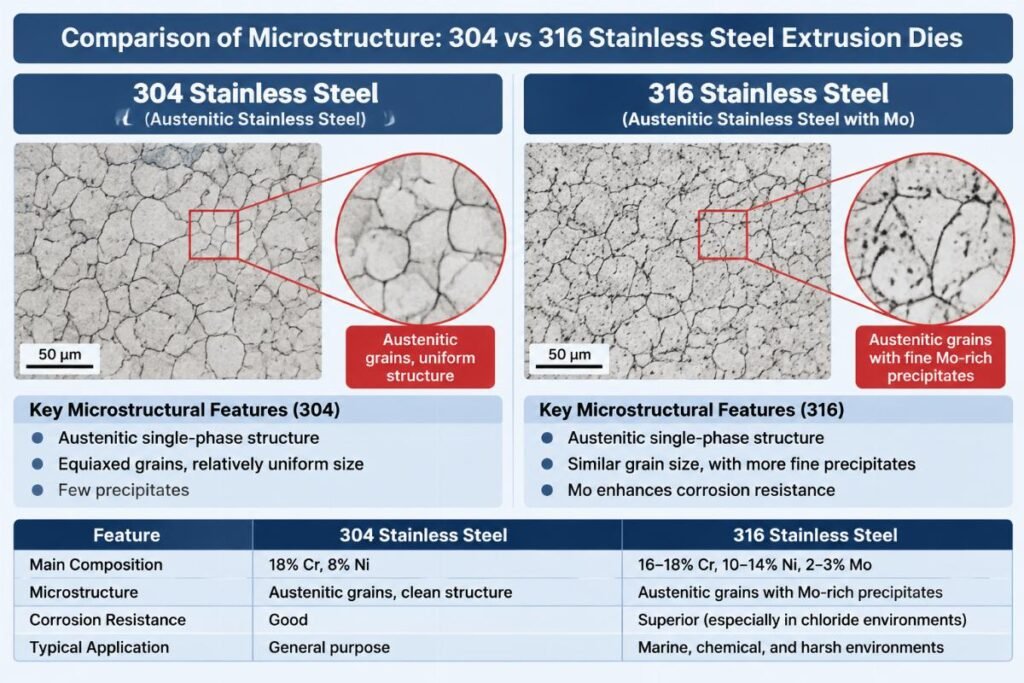
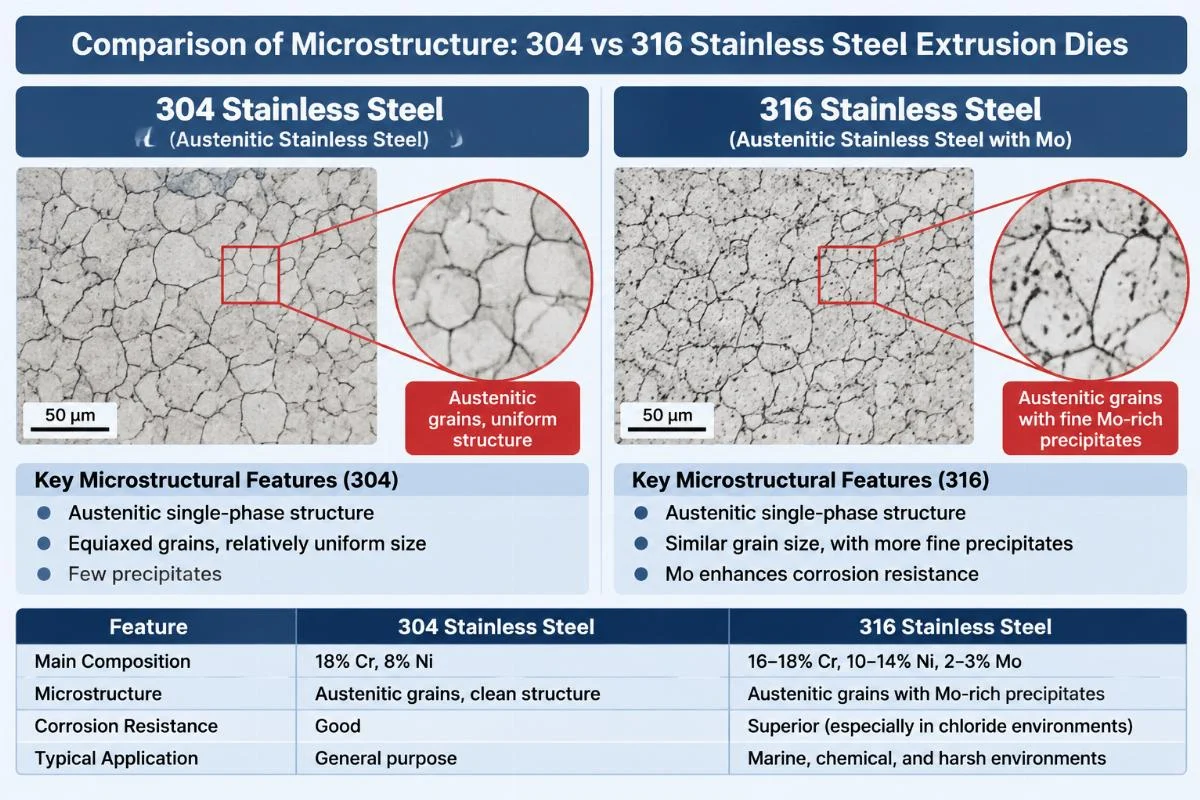
Food-grade stainless steel is non-negotiable for hygiene, but the specific alloy grade dictates the die’s resistance to abrasive wear and corrosion during high-moisture extrusion.
When evaluating twin-screw extruder pet food dies, the material must withstand continuous friction from grain-based formulas while meeting strict sanitary requirements. Using inferior metals leads to rapid surface pitting, which harbors bacteria and alters the kibble’s surface texture. The selection of the steel grade directly impacts the replacement cycle and the overall hygiene of the production line.
| Material Grade | Corrosion Resistance | Abrasive Wear Resistance | Hygiene Compliance | Typical Application |
|---|---|---|---|---|
| Standard 304 Stainless | Basic | Noticeably reduced | Certified | Low-capacity, dry formulas |
| Premium 316 Stainless | Robust | Substantially extended | Certified | High-capacity, high-moisture lines |
| Ungraded Alloy | Vulnerable | Uncontrolled | Not provided | Non-food industrial extrusion |
A contract manufacturer in Southeast Asia initially opted for a basic alloy to cut costs on their new floating fish feed and pet food line. Within a few months, the die face showed severe pitting, requiring frequent polishing that eventually ruined the flatness of the sealing surface. Switching to premium 316 stainless steel for their dog food kibble dies and moulds noticeably extended the service life and eliminated contamination risks. For any startup food business, investing in verified food-grade materials prevents costly downtime and ensures compliance with sanitary standards.
How Does Machining Tolerance Affect Extrusion?
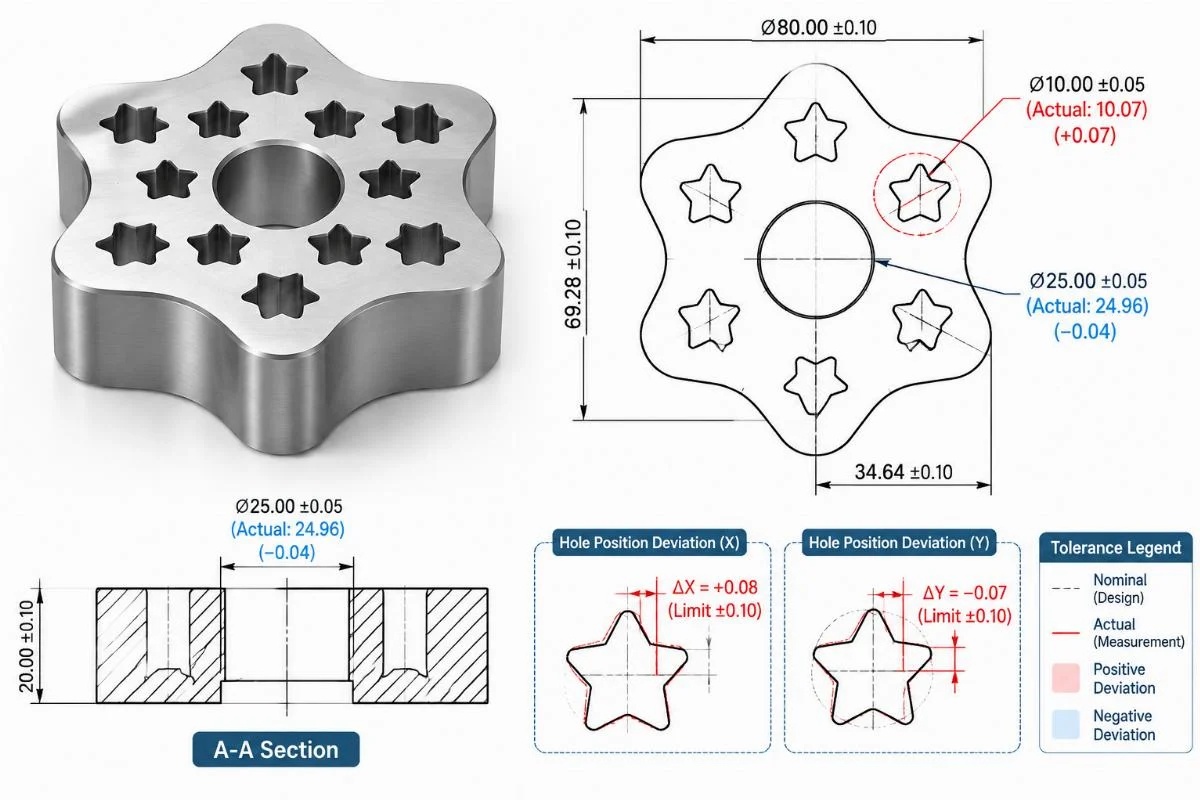
Precise hole position tolerances are the true baseline to prevent uneven discharge, machine blockages, and excessive motor load, regardless of the shape’s complexity.
Many buyers mistakenly believe that complex shapes require smaller holes to maintain structural integrity. In reality, if the hole position tolerance deviates even slightly, the material flow becomes unbalanced. This asymmetry forces the extruder motor to work harder against uneven resistance, leading to localized overheating and eventual blockages.
When you inquire about how to choose shaped dog food moulds, you must demand tolerance reports matching strict international grade standards. A die with poor positional accuracy will cause some holes to extrude faster than others. The resulting uneven stress tears the kibble apart as it exits the die face, creating high levels of raw material waste and fines.
Consider a scenario where a pet food startup ordered a complex star-shaped design. The manufacturer failed to hold the positional tolerance, causing the extruder motor to draw excessive current. The line had to be shut down repeatedly to clear hardened material from the die face. By enforcing strict tolerance controls on the dog food kibble dies and moulds, the manufacturer ensured uniform discharge, stabilized the motor load, and drastically reduced the raw material waste rate.
Which Shape Designs Suit Twin-Screw Extruders?
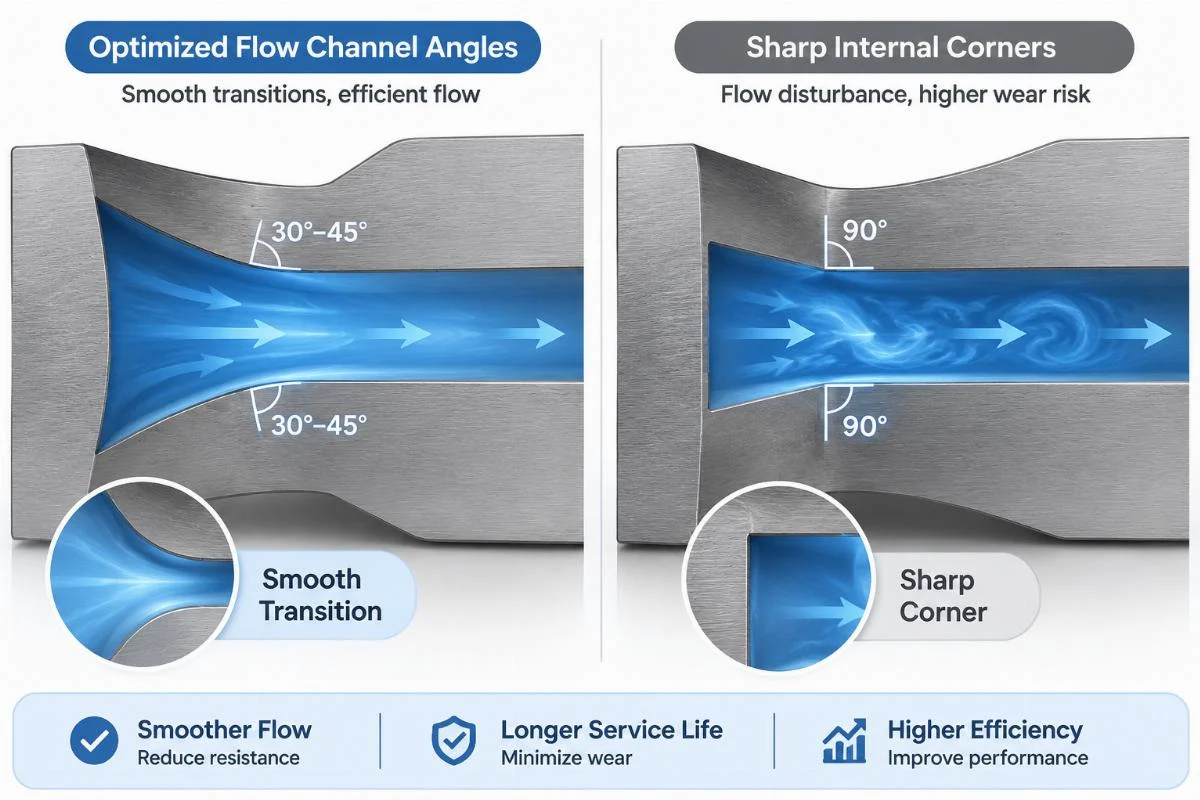
Optimized flow channel design reduces motor load and ensures uniform shaping, proving that flow angles matter far more than the final external轮廓 of the kibble.
Designing custom pet food kibble dies requires a deep understanding of rheology and material flow. A common counter-intuitive reality is that improper flow angles cause blockages regardless of the hole size. If the internal channels have sharp corners or abrupt expansions, the dough will stagnate, burn, and eventually block the die.
Effective shape design for twin-screw extruder pet food dies involves calculating the flow channel angles to guide the material smoothly from the central feed area to the outer exit points. This smooth transition minimizes friction and ensures that the kibble retains its intended shape without tearing or deforming during the cutting phase.
A European contract manufacturer struggled with a new bone-shaped treat that kept breaking at the “neck” during cutting. The issue was not the cutter speed, but the internal flow channel design of the die, which created a weak point in the extrudate. By redesigning the internal geometry of the dog food kibble dies and moulds to feature gradual flow transitions, the structural integrity of the kibble was restored, and the motor load stabilized significantly.
How to Verify Die Quality Before Ordering?
Requesting material certificates and comprehensive tolerance reports is the only reliable method to guarantee OEM reliability and prevent production failures.
Before committing to a purchase, you must establish a rigorous verification protocol. Relying solely on visual inspection or basic dimensional checks is insufficient for high-capacity production lines. You need verifiable documentation that proves the dog food kibble dies and moulds meet both sanitary and mechanical requirements.
First, demand material certificates that explicitly state the steel grade and confirm food-grade compliance. Second, require a detailed tolerance report for the hole positions and surface finish. A reputable OEM manufacturer will provide these documents without hesitation, as their machining processes are controlled and documented.
A pet food startup owner once received a batch of dies that looked perfect to the naked eye. However, upon requesting the tolerance reports, the data revealed significant deviations in hole depth and positional accuracy. Rejecting that batch based on the documentation saved the company from a disastrous launch and the associated financial losses. Always treat the documentation as the primary indicator of quality when sourcing custom pet food kibble dies.

Conclusion
Balancing material durability, machining precision, and flow design is the definitive path to successful shaped kibble production. Selecting the right dog food kibble dies and moulds ensures smooth extrusion, prevents costly blockages, and guarantees product consistency. By prioritizing verified food-grade materials and strict tolerance controls, manufacturers can secure reliable performance and avoid the hidden costs of production failures.
Machines Mentioned in This Article

cat food machine
Pet Food Processing Equipment Plant Manufacturer Dog Food
View Machine
cat food machine
Dry Dog Food Production Line Pet Food Pellet Machine
View Machine
cat food machine
Dog Food Pellet Making Machine Line, Automatic Pet
View Machine
cat food machine