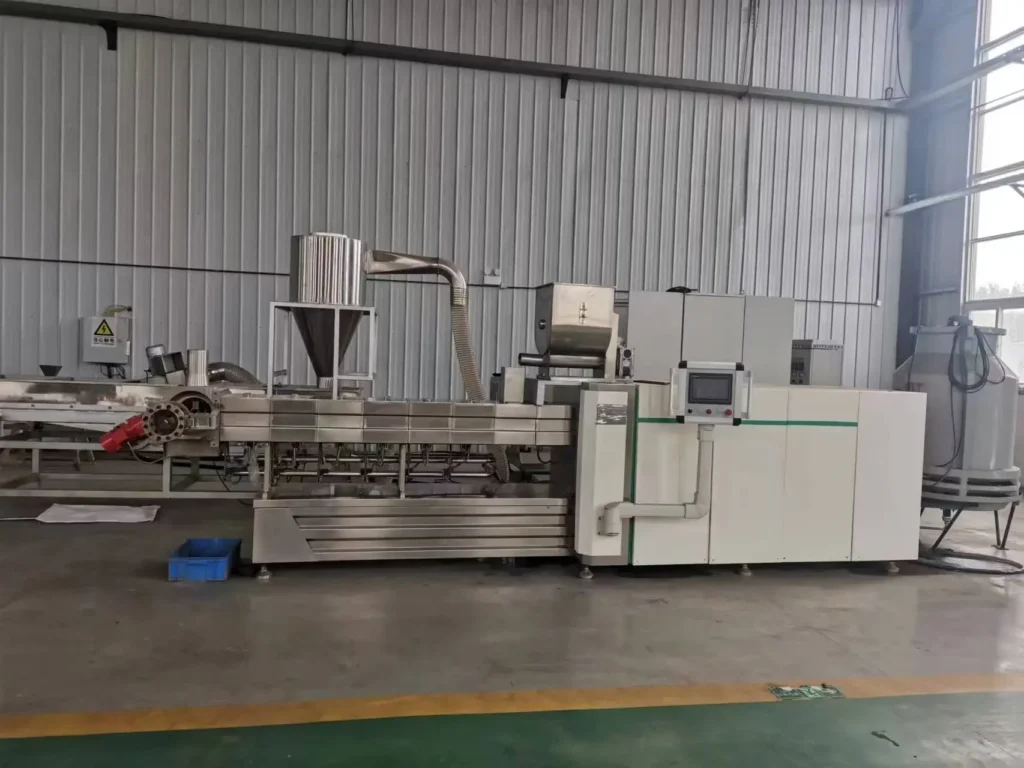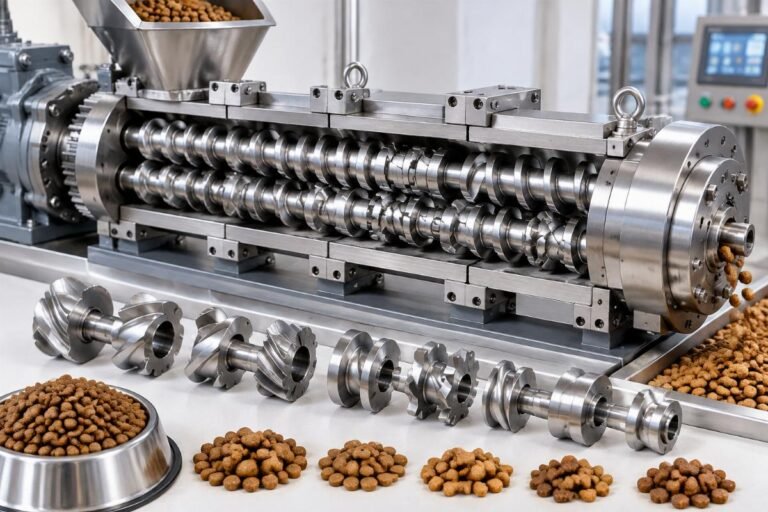

Most buyers obsess over extruder screw geometry, but a missing customs stamp will sink your project long before the first kibble is extruded.
Starting dry pet food production in Saudi Arabia and UAE demands more than just buying high-capacity machinery; it requires a meticulous alignment of twin-screw extrusion technology, strict SABER compliance, and localized turnkey installation to survive extreme desert climates.
Navigating the Middle Eastern pet care boom is a complex puzzle. I still vividly remember a sweltering afternoon at the Ningbo port, staring at a delayed shipment of a DS70 twin-screw extruder destined for Jebel Ali. The entire dry pet food production line was stranded because a single SABER certification document lacked a crucial stamp. The client was waiting to press cat food, and the daily transoceanic calls were relentless. That ordeal shifted my entire perspective on international machinery deployment. Today, when evaluating the viability of starting dry pet food production in Saudi Arabia and UAE, I prioritize customs clearance and on-site commissioning over mere mechanical specs. A machine is useless if it cannot clear the port or withstand the ambient heat.

Securing the right equipment is only the first step; ensuring it actually runs in the target environment is where the real engineering begins.
What are the core market drivers in Saudi Arabia and UAE?
The shift toward pet humanization and premiumization is fundamentally rewiring the regional supply chain, making local manufacturing a strategic imperative.
The Middle Eastern pet care sector is experiencing a profound transformation. Historically reliant on imported dry kibble, the region is now witnessing a surge in local manufacturing initiatives. This shift is driven by a growing middle class that views pets as family members, demanding higher quality, fresher ingredients, and specialized nutritional profiles. When starting dry pet food production in Saudi Arabia and UAE, entrepreneurs are not just filling a gap; they are catering to a premiumization trend that favors locally produced, high-meat-content formulas over mass-market imports.
From my observations on the ground, the demand for grain-free and high-protein diets has forced local startups to rethink their processing capabilities. Traditional single-screw setups often struggle with high-meat inclusion rates, leading to a distinct pivot toward advanced twin-screw technology. The ability to handle diverse, sticky, and protein-heavy recipes without compromising the structural integrity of the kibble is now a baseline requirement. Furthermore, local governments are actively encouraging domestic production to reduce reliance on foreign supply chains, creating a favorable environment for well-prepared investors.

The market is no longer just about basic sustenance; it is about nutritional precision, and the machinery chosen must reflect this elevated consumer expectation.
How to select the right extruder capacity for startups?
Matching your initial production capacity to realistic ROI targets prevents fatal overcapitalization while leaving room for inevitable scaling.
Selecting the appropriate throughput is a critical balancing act for new entrants. When starting dry pet food production in Saudi Arabia and UAE, startups frequently fall into the trap of purchasing oversized equipment, assuming bigger always means better. However, a massive 2000kg/h line sitting idle at twenty percent capacity burns through operational capital rapidly. The pragmatic approach involves starting with a pilot or semi-commercial scale, typically in the 200kg/h to 1000kg/h range, utilizing a robust twin-screw extruder.
A regional pet food startup I consulted with initially planned to import a massive continuous system. We pivoted them toward a flexible DS70 twin-screw extruder configuration. This allowed them to master the complex thermal and mechanical energy inputs required for their specific high-protein recipe without the overwhelming overhead of a giant plant. The DS70 model provides the necessary shear and residence time control to gelatinize starches properly, even with unconventional local ingredients. As their market share grew, the modular nature of their turnkey pet food production line UAE setup allowed them to add parallel drying and cooling modules seamlessly.
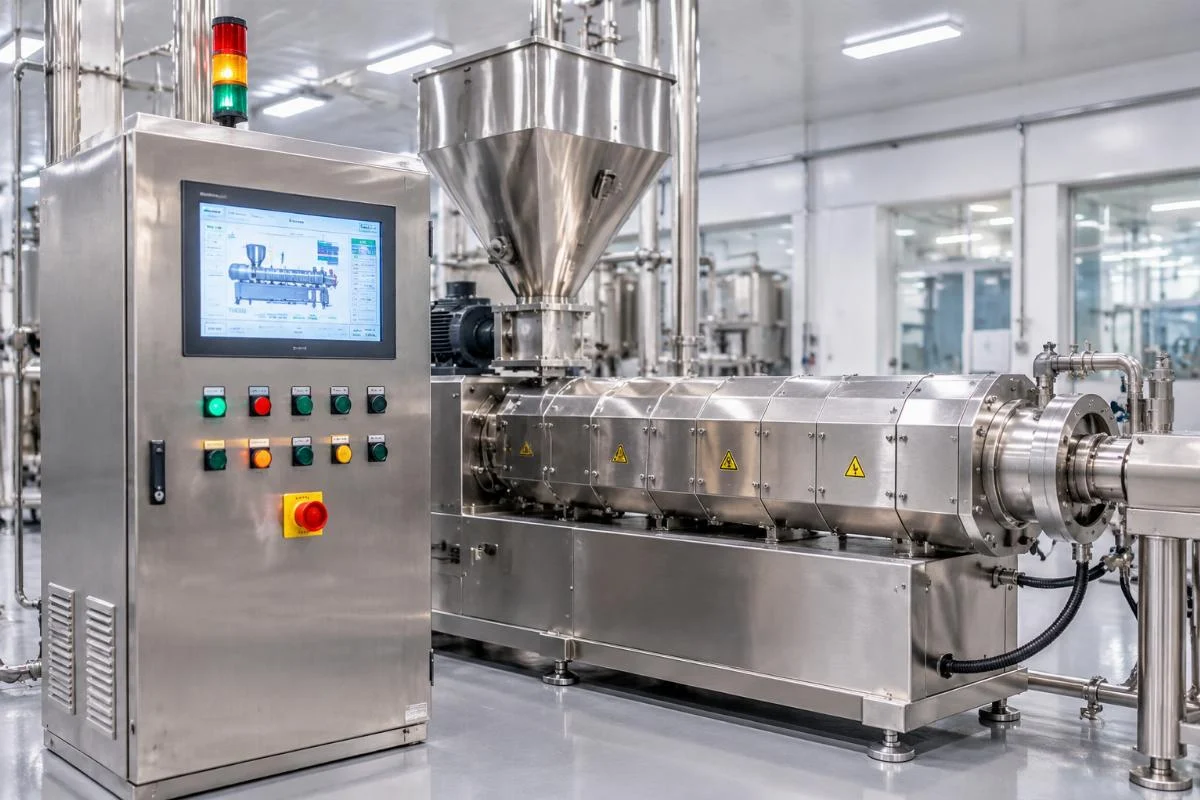
Right-sizing your extrusion line ensures that your cash flow remains healthy while you perfect your formulas and capture local shelf space.
Why do machinery shipments get stuck at Middle Eastern ports?
Strict adherence to SABER and SASO compliance is the invisible lifeline that prevents catastrophic port retention and financial bleed.
The most shocking reality for foreign equipment suppliers is that mechanical perfection means nothing at the border. I have seen flawless stainless-steel production lines rot at the dock because the import paperwork was treated as an afterthought. When starting dry pet food production in Saudi Arabia and UAE, navigating the SABER certification pet food machinery requirements is not a bureaucratic hurdle; it is the core of your import strategy. The Saudi Standards, Metrology and Quality Organization (SASO) mandates rigorous conformity assessments for industrial and food-contact machinery.
Missing a single compliance document, like the aforementioned stamp on the DS70 shipment, results in weeks of demurrage charges and delayed market entry. The SABER platform requires a Product Certificate (PC) and a Shipment Certificate (SC), both of which demand meticulous alignment with technical regulations. Furthermore, the physical machinery must bear specific conformity markings, and the electrical components must meet regional voltage and safety standards. I now insist on reviewing every nameplate, wood packaging fumigation certificate, and technical manual before a single bolt is tightened in the factory.
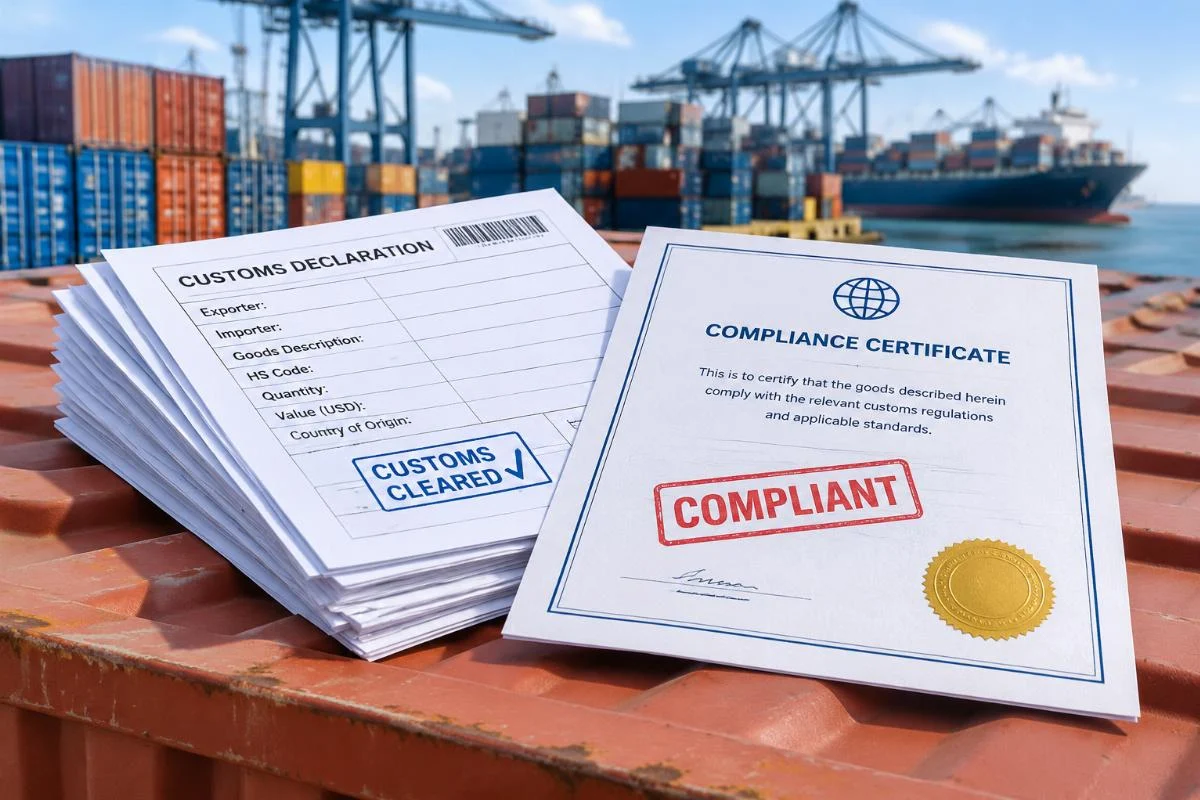
Treating compliance as an engineering parameter, rather than an administrative task, is the only way to guarantee your equipment actually reaches your factory floor.
How to ensure smooth installation in extreme climates?
Localized cooling adaptations and hands-on operator training are the true differentiators between a machine that runs and one that fails in the desert heat.
The ambient environment in the Gulf is unforgiving on mechanical systems. Standard drying and cooling systems designed for temperate European or East Asian climates will inevitably fail when confronted with the extreme summer temperatures of the region. When starting dry pet food production in Saudi Arabia and UAE, the integration of customized cooling and drying systems is non-negotiable. The moisture removal phase is critical for kibble shelf stability, and if the ambient air intake for the cooling conveyors is too hot and humid, the final product will suffer from mold and texture degradation.
This is where the value of a true turnkey pet food production line UAE provider becomes apparent. It is not just about dropping off the pet food extruder machine Saudi Arabia buyers ordered; it is about engineering the entire thermal loop. I recall a project where we had to redesign the airflow dynamics of the multi-layer dryer and install industrial chillers for the cooling section just to maintain the required moisture threshold. Beyond the hardware, the human element is equally vital. Remote desert environments require robust, multi-week on-site training cycles. Operators must understand not just how to push buttons, but how to adjust barrel temperatures and screw speeds in real-time as the seasonal weather shifts.
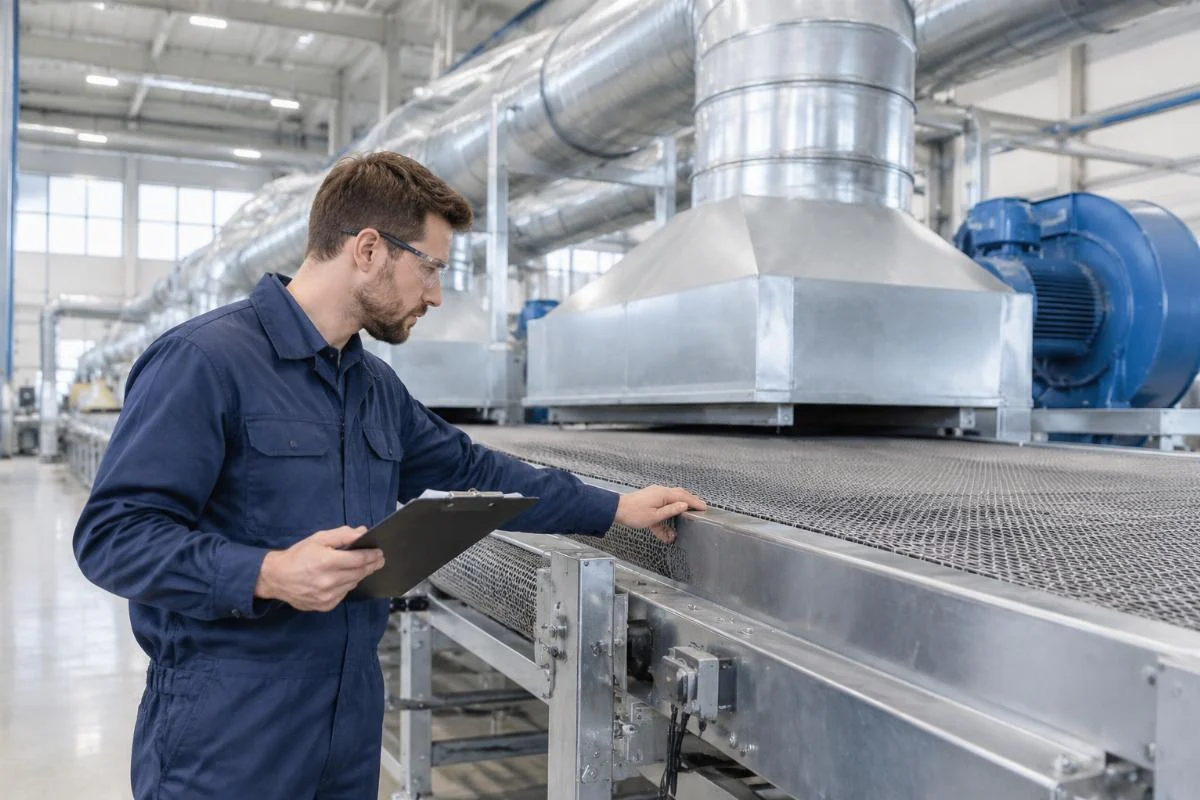
Adapting your thermal processing and investing deeply in local human capital ensures that your production line remains resilient, regardless of the thermometer reading outside.
Conclusion
Success in the Middle Eastern pet food sector hinges on the seamless integration of compliant import strategies and climate-resilient engineering.
Starting dry pet food production in Saudi Arabia and UAE is a highly rewarding venture, but it leaves no room for amateur logistics or generic equipment sourcing. By prioritizing SABER compliance, right-sizing your twin-screw extrusion capacity, and adapting your thermal systems for the desert, you build a foundation that withstands both regulatory scrutiny and environmental extremes. The machinery is merely the heart of the operation; the compliance and localized support are the lungs that keep it breathing.
Machines Mentioned in This Article

cat food machine
Dry Dog Food Production Line Pet Food Pellet Machine
View Machine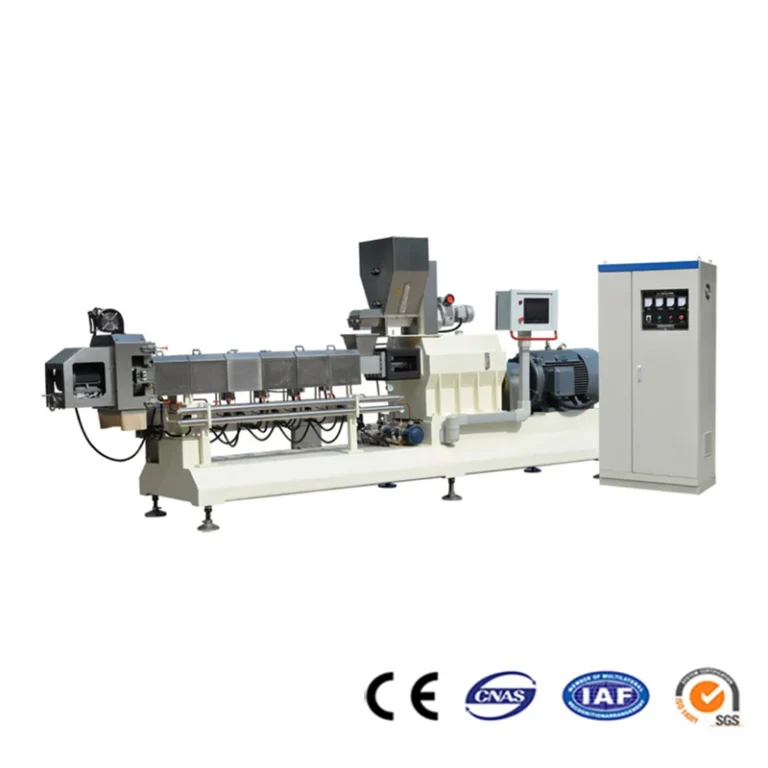
cat food machine
Wet and Dry Pet Food Production Line Manufacturer
View Machine
cat food machine
Pet Food Processing Equipment Plant Manufacturer Dog Food
View Machine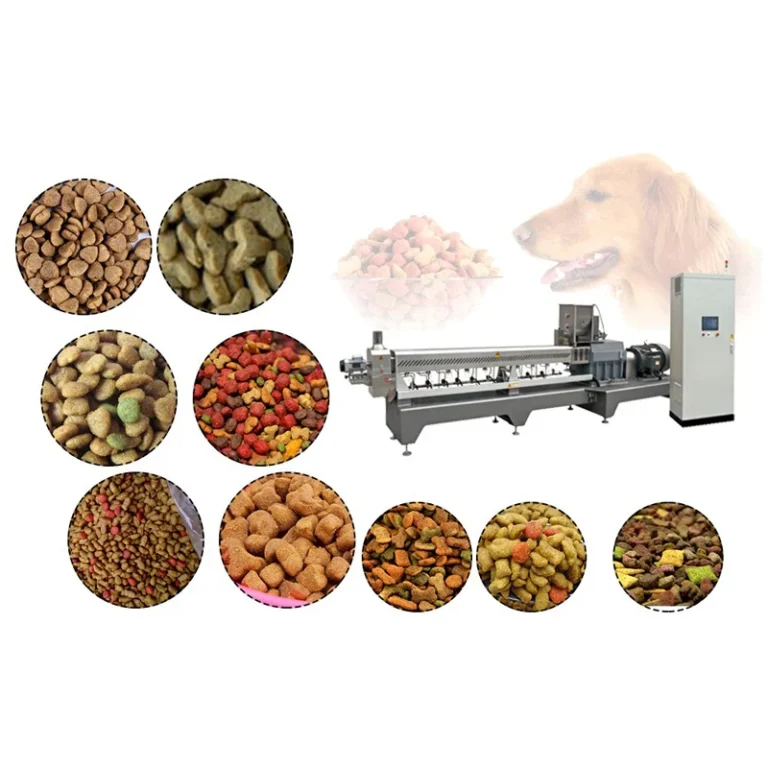
cat food machine