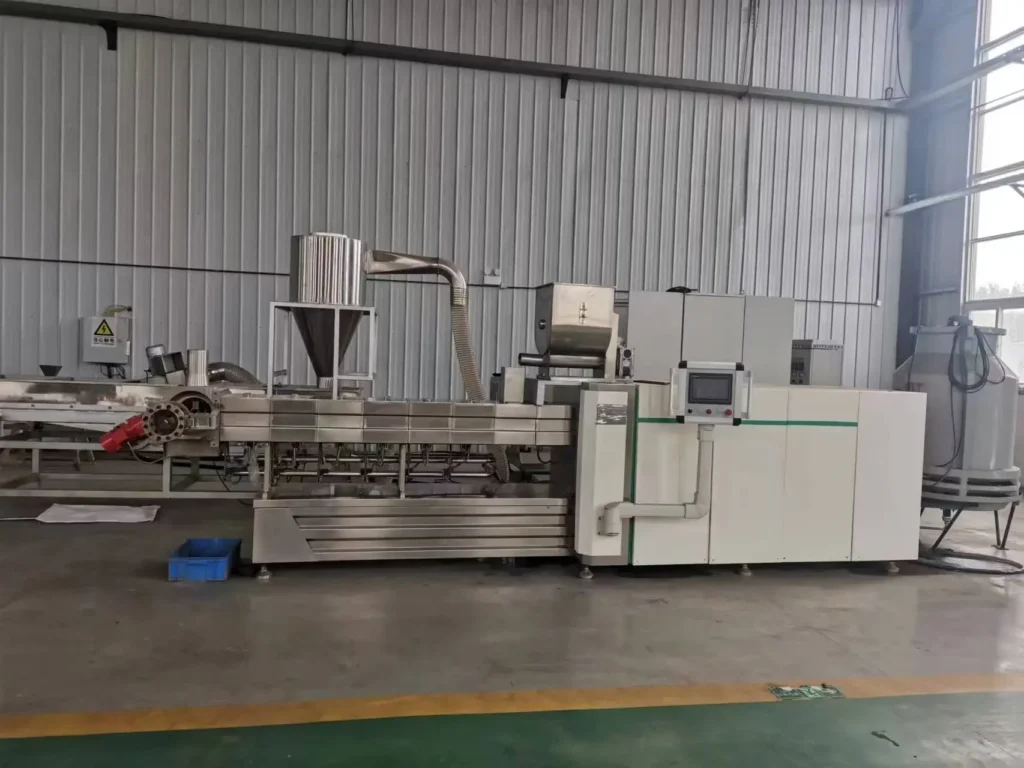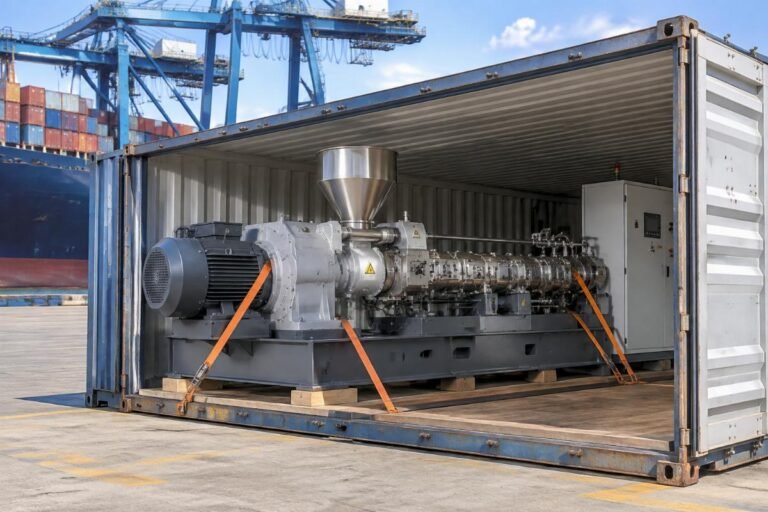

Most buyers assume assembly takes the longest, but custom parts procurement actually dictates the schedule.
The actual pet food production line lead time from China typically spans from forty-five to ninety days, covering everything from Jinan machining and 304 stainless assembly to destination port shipping.
I still remember the suffocating heat of a factory floor in Binh Duong, Vietnam, years ago. We were setting up a pet snack facility, and the local owner was literally slamming his fists on the desk. His twin-screw extruder was delayed for nearly a quarter of a year. The workshop was completely empty, yet the daily rent and idle labor costs were burning through his capital like fire. When I later transitioned to the supply side and focused heavily on the Southeast Asian market, that specific scene became my baseline for measuring reliability. I never hand out empty promises anymore. From production scheduling in Jinan to the vessel departure for Ho Chi Minh City, I know exactly which环节 is prone to bottlenecks. When we commit to a date, it is because every extra day of waiting translates directly into real financial losses for the buyer.
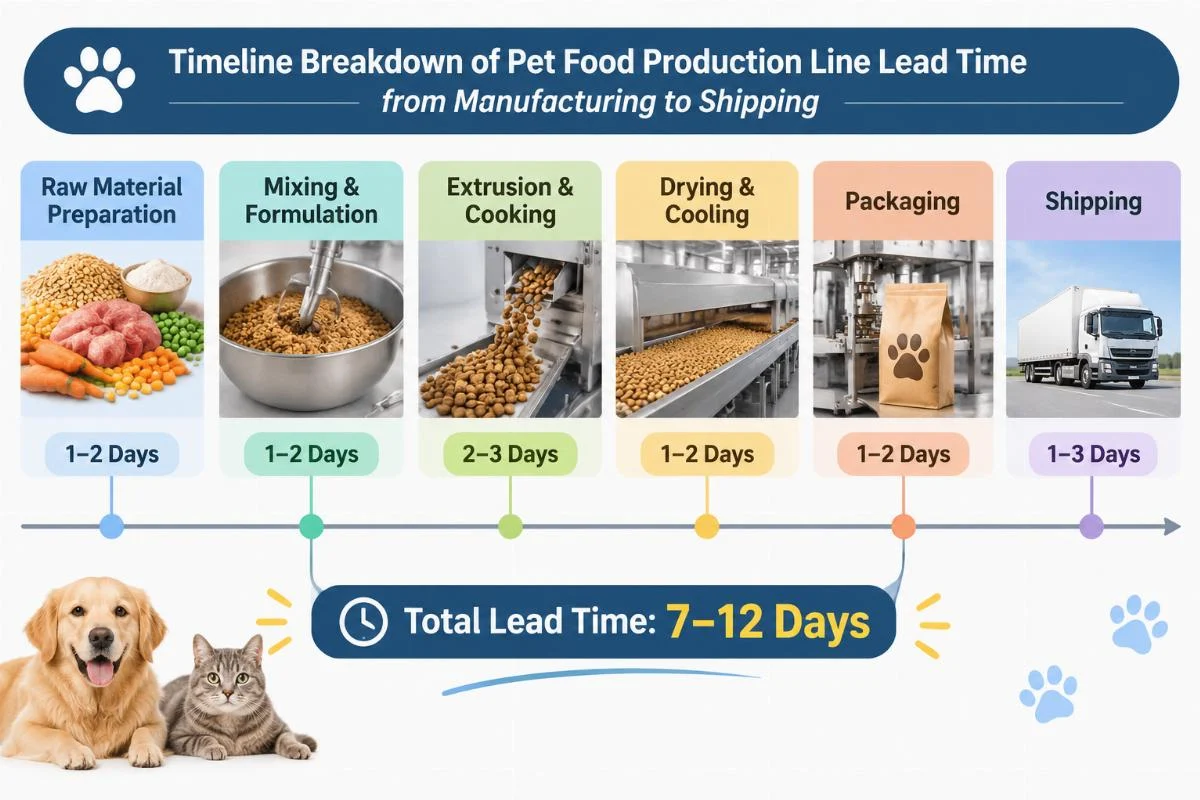
Let us break down exactly how this timeline is structured and where the hidden traps lie.
How is the 45-90 Day Timeline Broken Down? (Manufacturing vs. Logistics)
The pet food production line lead time is not a single block of waiting; it is a sequential chain starting from raw material procurement in Jinan and ending at the destination port.
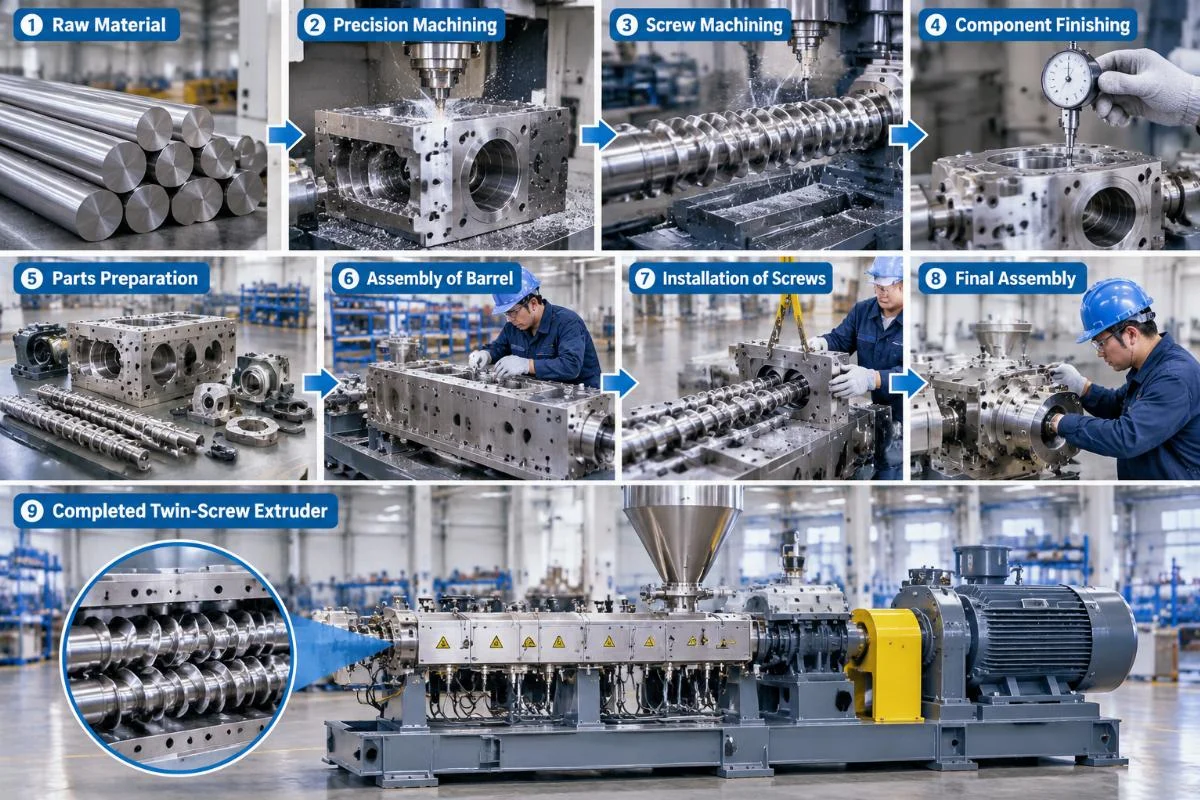
Many procurement managers mistakenly believe that the final assembly phase consumes the most time. In reality, the procurement of specialized components and the initial machining of barrels and screws take significantly longer. The manufacturing phase involves sourcing food-grade materials, rough machining, and precision finishing. For a standard turnkey setup, the extrusion host and the integrated drying systems require parallel processing.
Consider a recent project for an aquaculture feed producer in Southeast Asia. They needed a complete floating fish feed line. The mechanical processing of the 304 stainless steel twin-screw components proceeded smoothly. However, the integration gap between the main extruder and the multi-layer drying system created a bottleneck. The drying system required custom airflow adjustments that were not finalized during the initial drawing phase. This integration gap alone stretched the manufacturing phase by almost a month.
To manage this, you must understand the sequence:
- Component procurement and raw material testing.
- CNC machining of screws and barrels.
- 304 stainless steel assembly and electrical panel wiring.
- Factory Acceptance Testing (FAT) with actual raw materials.
- Inland transport to the port and customs clearance.
If the inland logistics in Jinan stall due to unexpected port congestion or weather, even the fastest ocean freight will not save your schedule. Fast shipping cannot compensate for a delayed factory dispatch.
Where Do Hidden Delays Happen in Turnkey Projects? (Custom parts, testing)
Hidden delays in a pet food production line lead time almost always originate from custom tooling requests and late-stage formula testing.
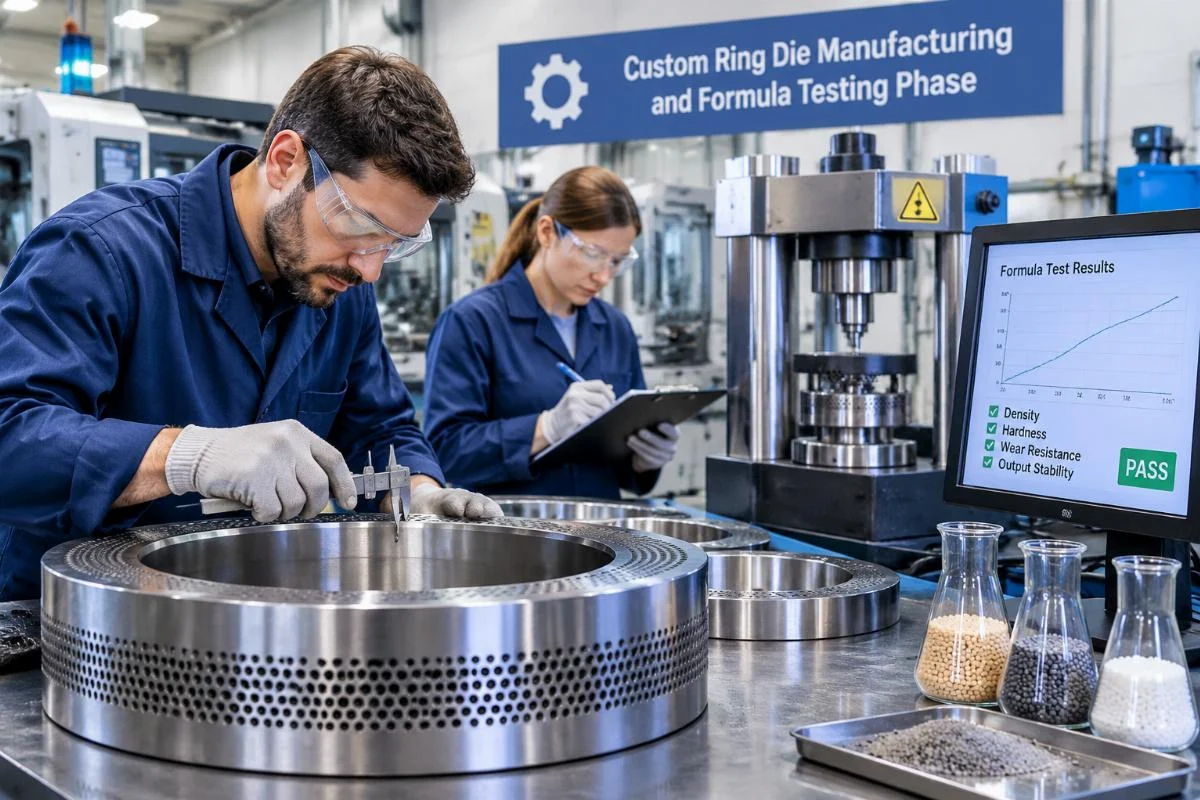
When buyers decide to change the kibble shape or adjust the pellet density after the contract is signed, the clock resets for those specific parts. Custom ring dies and specialized molding plates require dedicated EDM (Electrical Discharge Machining) processes.
A pet food startup in Latin America faced this exact scenario. They ordered a comprehensive dry pet food line but decided mid-production to introduce a new bone-shaped treat. This required a custom ring die. The material procurement for the specific alloy steel and the subsequent heat treatment resulted in a material delay of over a month. The rest of the line was ready, but the entire shipment was held back because the buyer wanted a consolidated container load.
Another critical hidden delay occurs during the FAT. If the buyer’s formula is highly sensitive to moisture content, the debugging of the flavor-coating system can take weeks. We once had a client whose recipe required a precise hydration level that the standard coating drum could not achieve initially. We had to redesign the internal baffles of the coating machine. This testing and adjustment phase is where many suppliers fail to communicate transparently, leading to silent delays.
To avoid this, lock in your product specifications and formula requirements before the machining begins. Any alteration after the steel is cut will inevitably push the pet food production line lead time further out.
How to Lock in a Strict Delivery Schedule? (Contract clauses, penalties)
Locking in a strict pet food production line lead time requires binding contract clauses that penalize silent delays and mandate transparent milestone tracking.
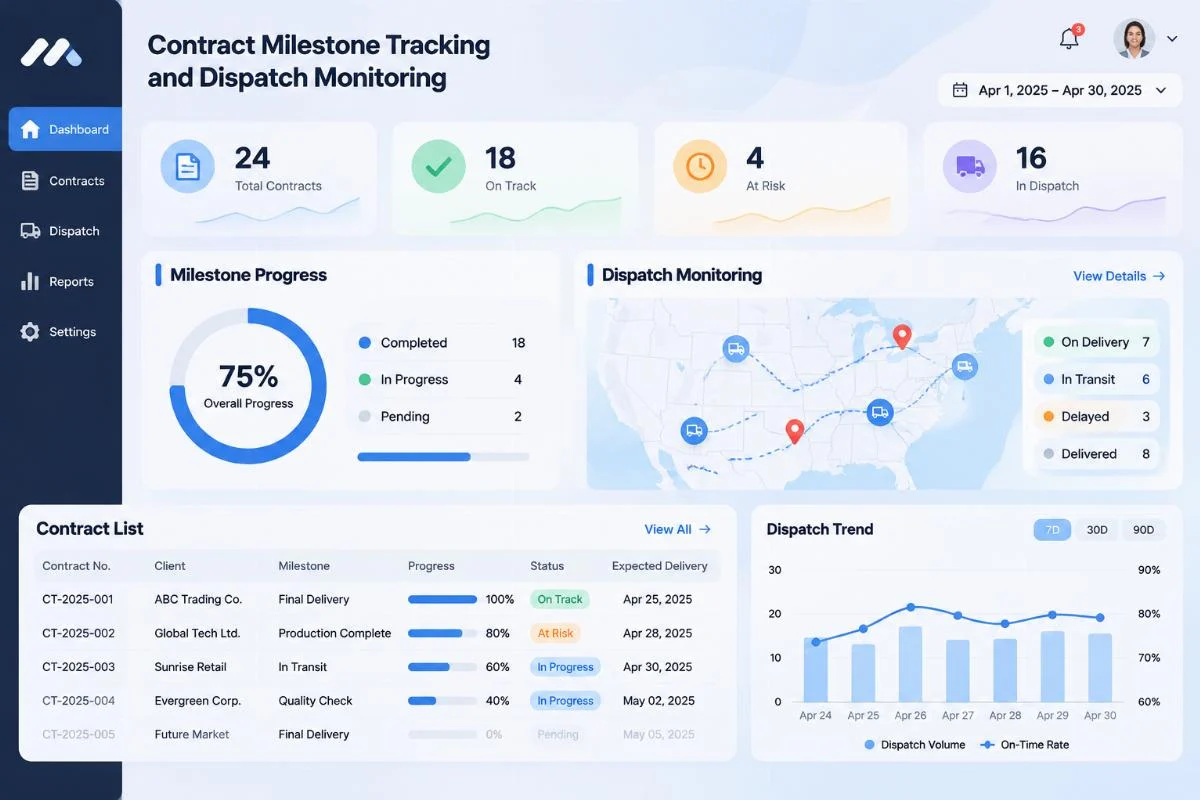
Verbal promises mean nothing in international machinery trade. You need a contract that breaks the timeline into verifiable milestones. Do not just write “delivery in 60 days.” Specify the exact dates for drawing confirmation, component procurement completion, main assembly start, and FAT execution.
When we deploy our 304 stainless twin-screw extruders, such as the DS65 and DS70 models, for turnkey projects, we implement strict Jinan dispatch tracking. The buyer receives weekly photo and video updates of their specific machines on the factory floor. This transparency eliminates the black box of manufacturing.
Your contract must include:
- A clear definition of the start date (usually upon receipt of the deposit and final drawing approval).
- Milestone penalties for delayed dispatch, excluding force majeure.
- A clause that separates the main machine delivery from the custom tooling delivery, allowing partial shipments if necessary.
A European contract manufacturer once saved a crucial holiday production window because their contract included a penalty clause for delayed electrical panel wiring. The supplier prioritized their order over others to avoid the financial hit. Without that leverage, the pet food production line lead time would have easily slipped into the next quarter.
Conclusion
The pet food production line lead time is a fragile chain where custom parts and integration testing are the weakest links. By understanding the true manufacturing sequence and enforcing strict milestone tracking, buyers can protect their capital from the silent burn of factory delays. Secure your specifications early, demand transparent dispatch tracking, and treat the timeline as a binding financial commitment rather than a rough estimate.
Machines Mentioned in This Article

cat food machine
Pet Food Production Line Manufacturer
View Machine
cat food machine
Pet Chews Pet Food Production Line Manufacturer
View Machine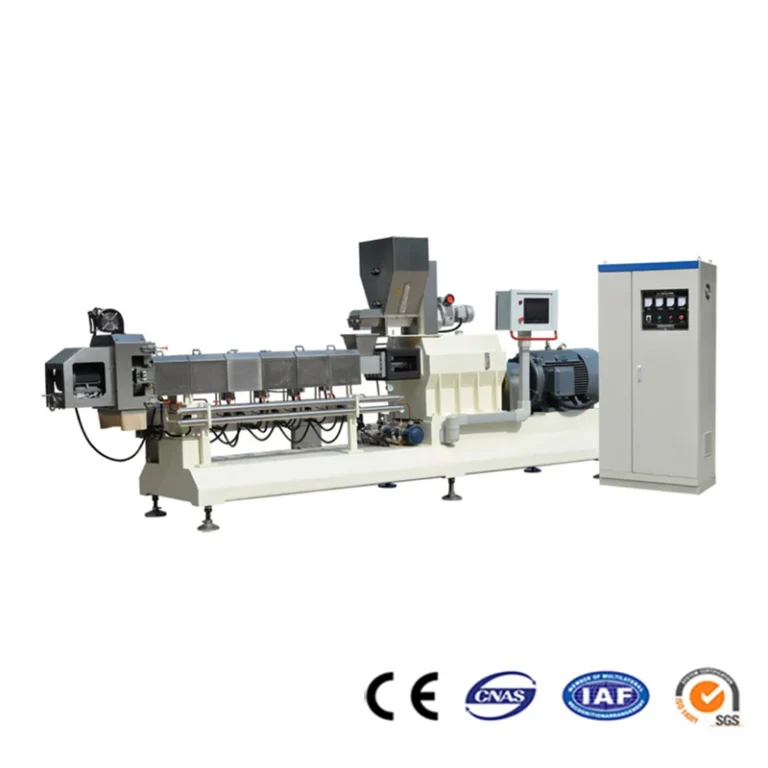
cat food machine
Wet and Dry Pet Food Production Line Manufacturer
View Machine
cat food machine