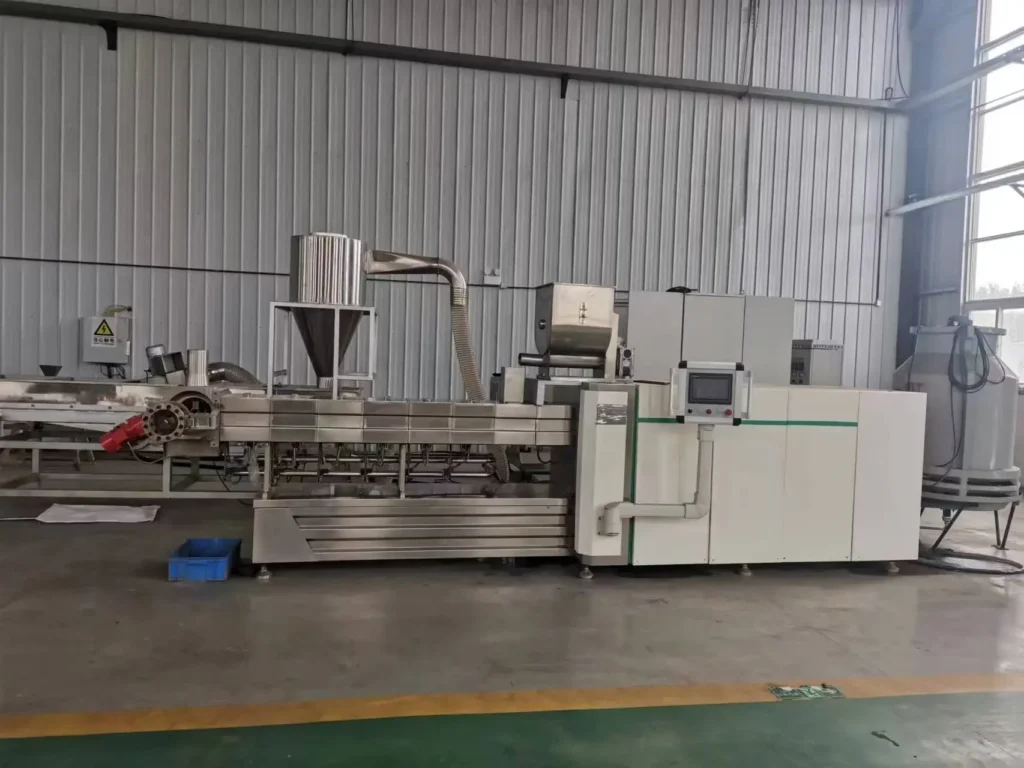
A premium kibble recipe means nothing if your extruder cannot maintain stable thermal and mechanical energy.
A budget pet food extrusion line is absolutely worth the investment if you prioritize total cost of ownership and turnkey support over brand premiums, provided the core metallurgy and sanitary standards meet food-grade requirements. Expensive European setups often over-engineer capacity for startups, delaying ROI, whereas a properly specified budget kibble production line TCO delivers comparable expansion rates and density control at a fraction of the initial capital expenditure.
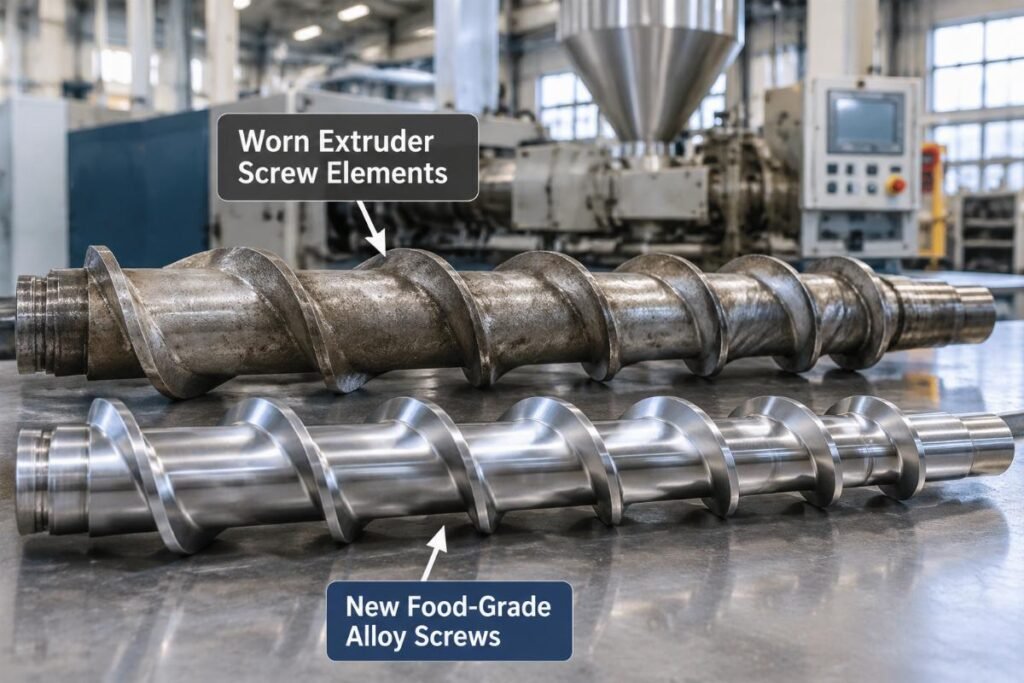
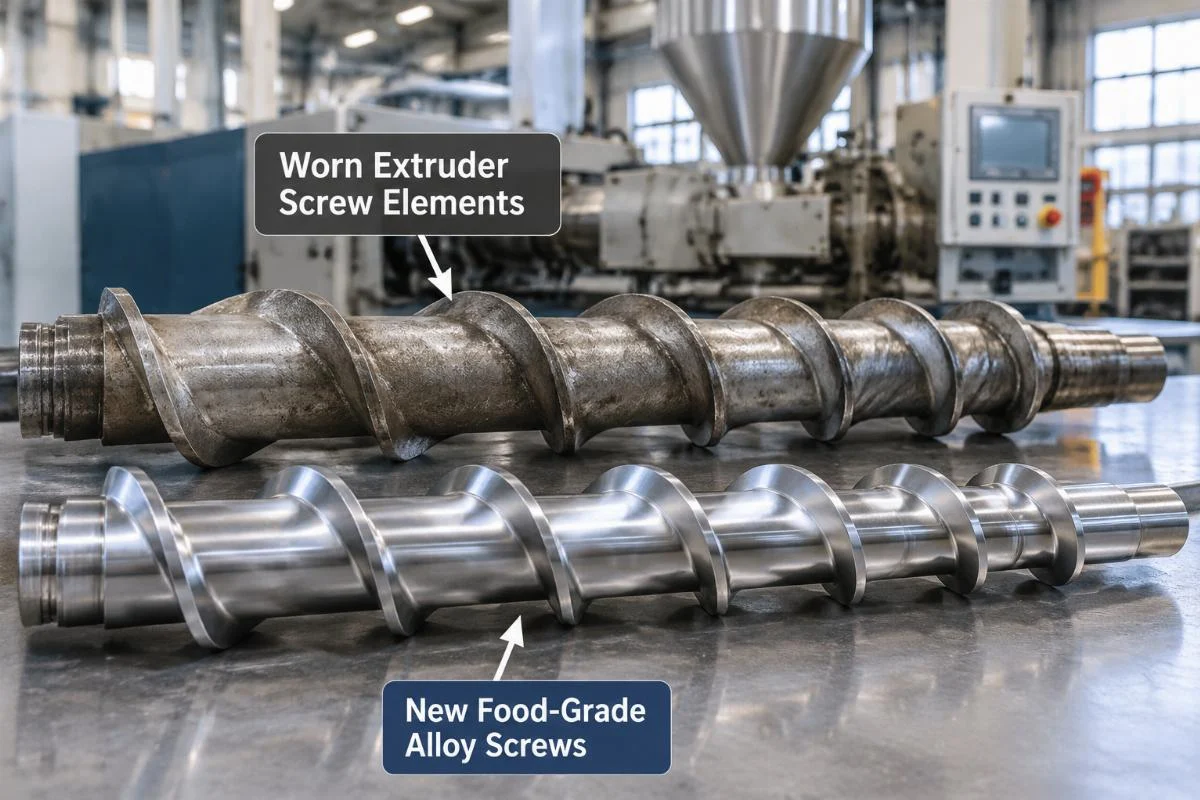
I still remember the suffocating heat of a warehouse in Lagos where a client had pieced together a cheap, unbranded main host for an OEM dry dog food project. The screw material was completely wrong for the high-starch formula they were running. The expansion rate was abysmal, the kibble density was inconsistent, and tons of product ended up as waste. We had to tear down the barrel, replace the core components with properly alloyed screws, and completely rework the die design to salvage the operation. Watching that financial bleed firsthand cemented a hard truth: selecting a budget pet food extrusion line is never just about reading the lowest number on a quotation sheet. It is about understanding the hidden costs of formula debugging and downtime.
Let us break down the actual engineering differences and financial realities when you evaluate a budget pet food extrusion line against premium European alternatives.
What Are the Real Differences in Core Components?
The gap between budget and premium machinery lies in metallurgical choices and die precision, not in the basic concept of twin-screw extrusion.
When sourcing an affordable twin-screw extruder for kibble, the critical differentiator is how the manufacturer handles specific mechanical energy and wear resistance. European brands often use proprietary alloy blends that are incredibly durable but come with a massive markup and long lead times for spares. A well-engineered budget pet food extrusion line utilizes standardized, verifiable food-grade materials that perform identically under the right thermal profiles.
| Component Factor | Premium European Line | Verified Budget Pet Food Extrusion Line |
|---|---|---|
| Barrel Material | Proprietary Nitrided Alloy | Certified 38CrMoAlA with controlled nitrogen infusion |
| Screw Core | Custom High-Cost Blend | Standardized Tool Steel with verifiable surface hardness |
| Contact Parts | 316L Stainless Steel | 304/316L Stainless Steel (Verifiable) |
| Die Precision | Micron-level custom machining | High-precision wire cutting with consistent hole tolerance |
| Sanitary Standard | Internal Corporate Standard | 3-A sanitary standards compliant |
A contract manufacturer in Latin America recently upgraded their screw alloy to a properly heat-treated 38CrMoAlA specification on a budget pet food extrusion line. Instead of replacing the die every few weeks due to rapid wear from abrasive mineral premixes, the die lifespan extended substantially, stabilizing their continuous output without the premium price tag of imported European spares. The real difference is not the machine’s existence; it is the transparency of the material certification.

How Does TCO Compare Over 5 Years?
The initial purchase price is merely the entry fee; the true financial burden is hidden in energy consumption, maintenance downtime, and spare parts logistics.
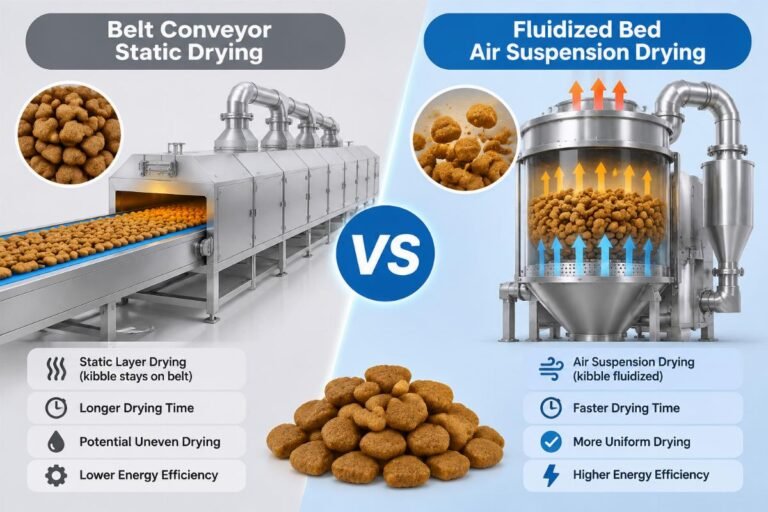
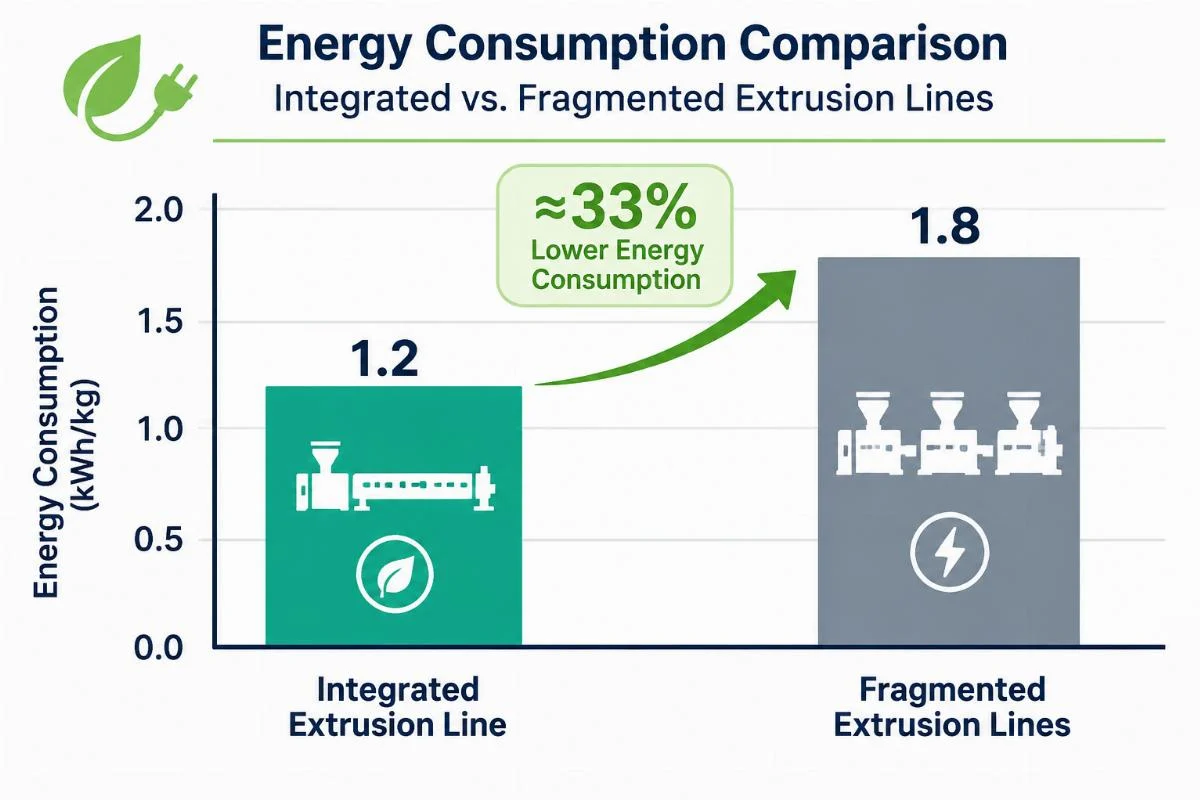
When calculating the budget kibble production line TCO, you must look past the invoice. European machinery often carries a brand premium that inflates the initial capital expenditure by multiples. However, the operational costs tell a different story. A budget pet food extrusion line, when paired with a smart turnkey design, integrates drying and coating systems that communicate seamlessly with the extruder’s thermal zones.
Consider the hidden risks of a fragmented premium setup:
- Spare Parts Availability: Waiting months for a custom European screw element halts production, costing far more than the initial savings.
- Energy Inefficiency: Poorly insulated barrels and mismatched motor drives on piecemeal setups drain power continuously.
- Maintenance Complexity: Over-engineered proprietary systems require specialized technicians, whereas standardized budget lines allow local mechanical teams to perform routine maintenance.
A Southeast Asian aquaculture and pet food startup integrated a unified drying and coating system with their extrusion host. By eliminating the thermal loss between disconnected machines, they reduced their overall energy consumption noticeably compared to their previous piecemeal European setup. The budget kibble production line TCO wins decisively when the manufacturer provides localized, accessible spare parts and standardized mechanical designs that do not hold your production hostage.
Can Budget Lines Deliver Premium Kibble Quality?
Expansion rate and kibble density are dictated by screw configuration and thermal profiling, not by the geographic origin of the machine builder.
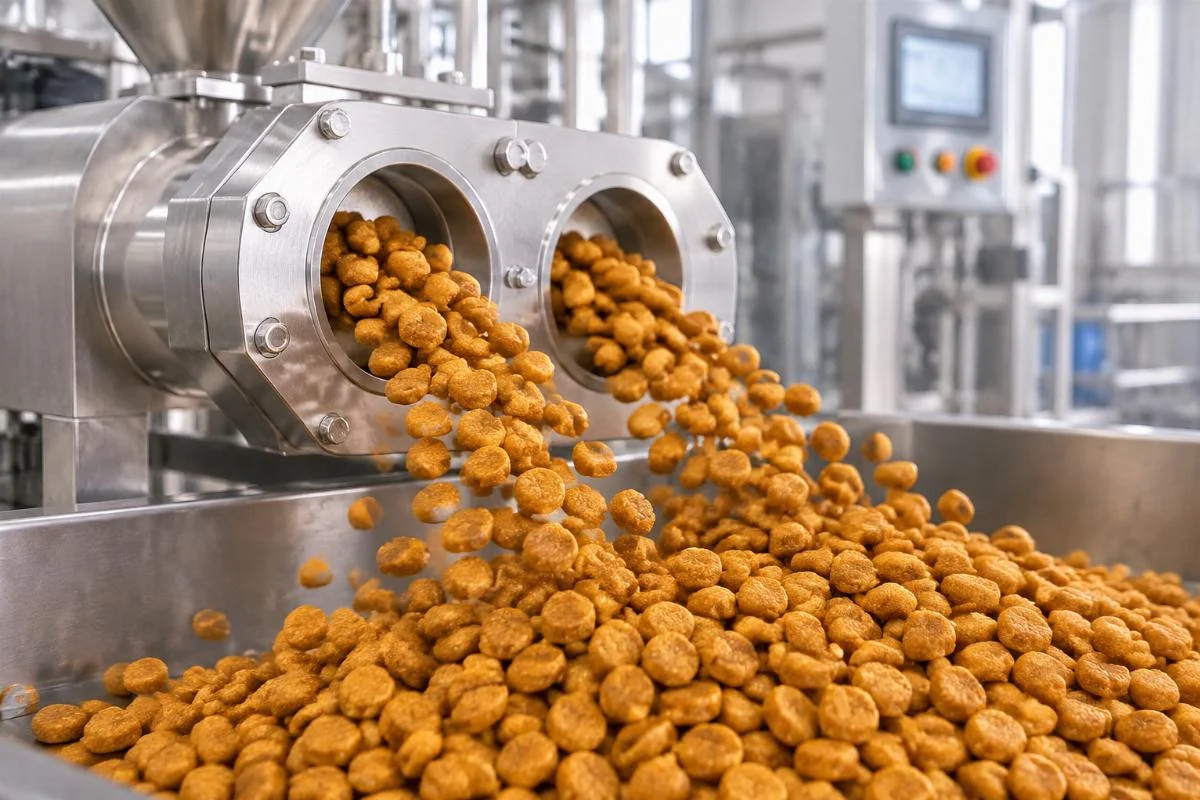
There is a persistent myth that only expensive European machinery can produce the uniform, highly expanded kibble required by premium pet food brands. This is fundamentally incorrect. The physics of starch gelatinization and protein texturization rely on specific mechanical energy and residence time distribution. An affordable twin-screw extruder for kibble, when configured with the correct L/D ratio and shear-intensive screw profiles, achieves the exact same physical transformation.
The secret lies in the formula debugging and die design. A budget pet food extrusion line often requires more hands-on tuning to match the exact moisture and fat content of your raw materials. Once the specific mechanical energy is locked in, the expansion degree ratios are entirely repeatable.
During a commissioning run for a West African startup, they replaced a cheap local assembly with a properly configured twin-screw setup. The expansion rate improved from a mediocre level to a highly uniform, floating kibble structure, effectively cutting their raw material waste in half. The machine did not possess magic; it simply provided the precise torque and thermal control necessary to execute a validated recipe. Quality is a function of process control, and a well-tuned budget line delivers premium results.
What About Installation and Formula Support?
A machine without a validated recipe is just a heavy metal sculpture; turnkey support bridges the gap between hardware and commercial viability.
When evaluating Chinese vs European pet food machinery, the most critical differentiator for a startup is the level of application support. European brands often sell you the hardware and leave the recipe development to you, charging exorbitant daily rates if you need their food scientists to fly in.
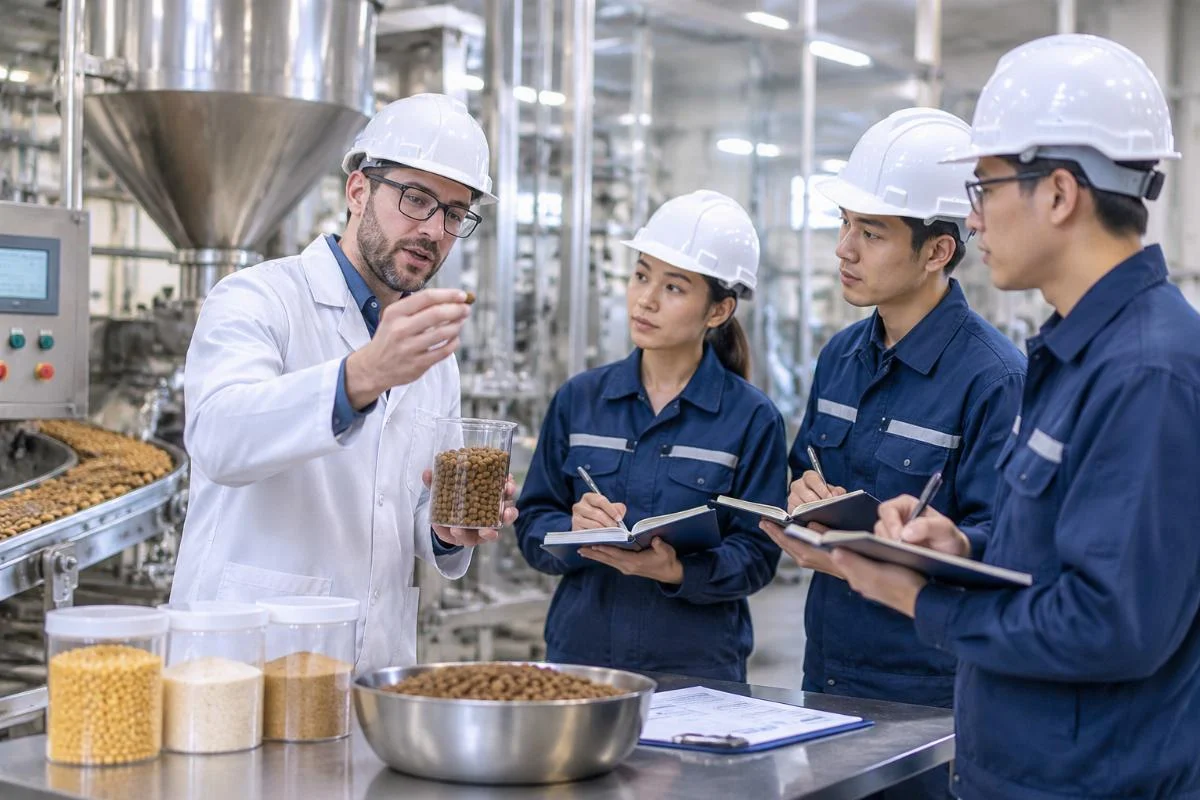
A true budget pet food extrusion line supplier understands that your success depends on the product, not just the motor. The optimal bridge between budget constraints and premium quality is a manufacturer that offers comprehensive turnkey services. This includes on-site installation, operator training, and crucially, formula development support.
- Turnkey Line Design: From raw material intake to the final packaging integration, ensuring no bottlenecks.
- On-Site Formula Development: Iterating the starch-to-protein ratios directly on your machine to guarantee the target density and nutritional profile.
- Remote Diagnostics: Multi-language technical support to troubleshoot thermal or mechanical anomalies without waiting for a visa.
When a new plant-based protein or pet food startup lacks internal R&D depth, the ability to rely on the manufacturer’s application lab is invaluable. The machinery must be delivered with a proven baseline recipe, allowing the operator to focus on scaling production rather than guessing extrusion temperatures. This holistic approach transforms a simple equipment purchase into a reliable production partnership.
Conclusion
Stop paying for painted metal and start investing in verified process control.
A budget pet food extrusion line delivers exceptional ROI when you demand transparent metallurgy, standardized sanitary construction, and deep formula support. By focusing on the budget kibble production line TCO and leveraging turnkey application engineering, startups can achieve premium kibble quality without the crippling capital overhead of over-engineered European alternatives.
Machines Mentioned in This Article

cat food machine
Pet Dog Food Extruder Manufacturer Production Line
View Machine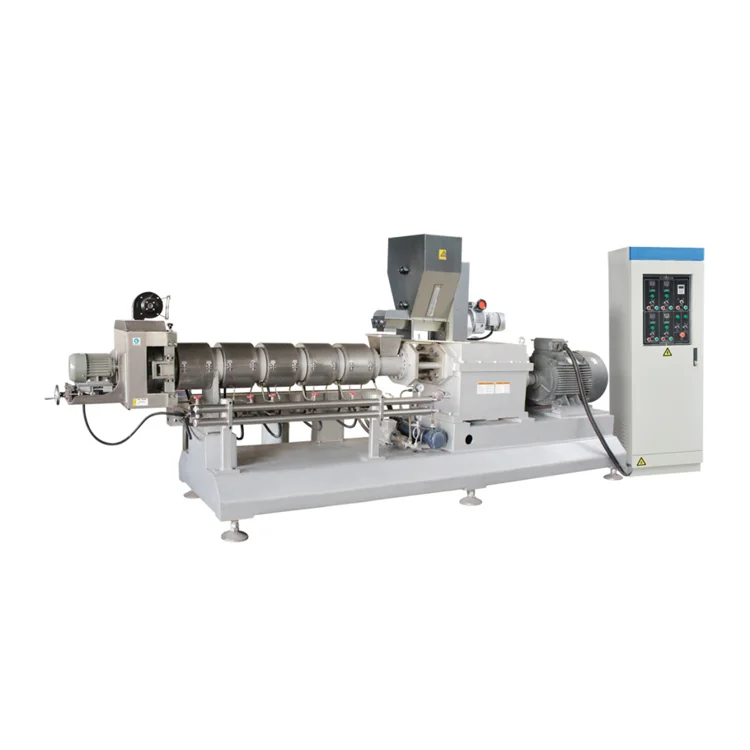
cat food machine
Pet Food Pellet Extruder Machine Manufacturer for Dog Cat
View Machine
cat food machine
Pet Food Extruder Machine Manufacturer Production Line
View Machine
cat food machine