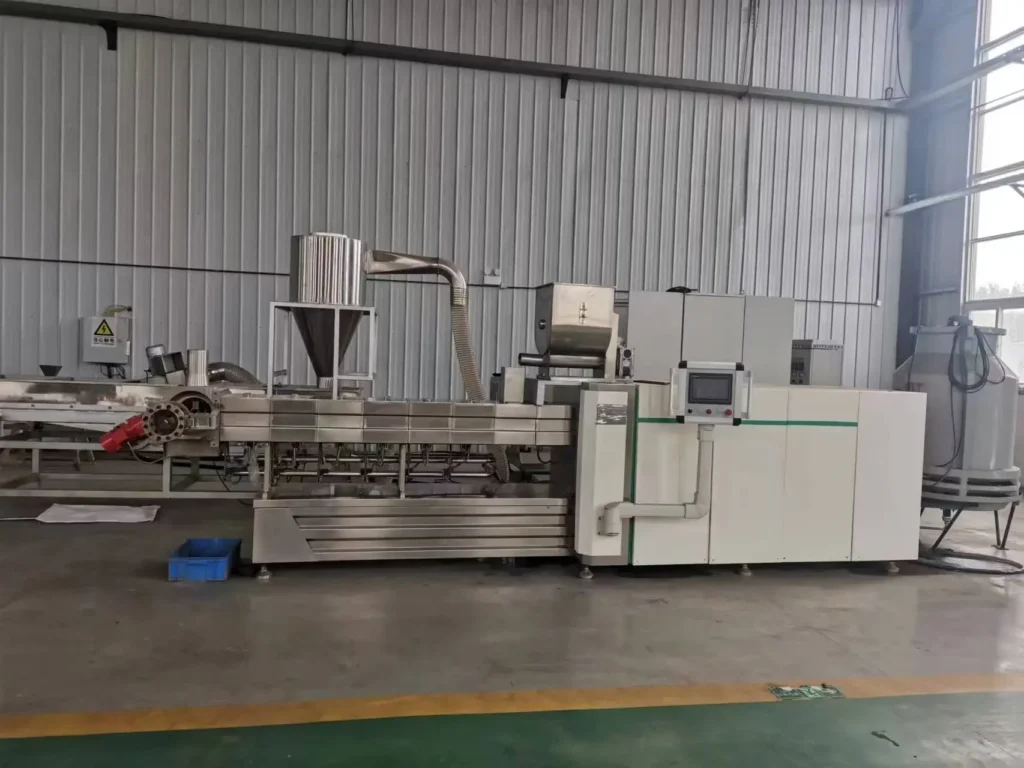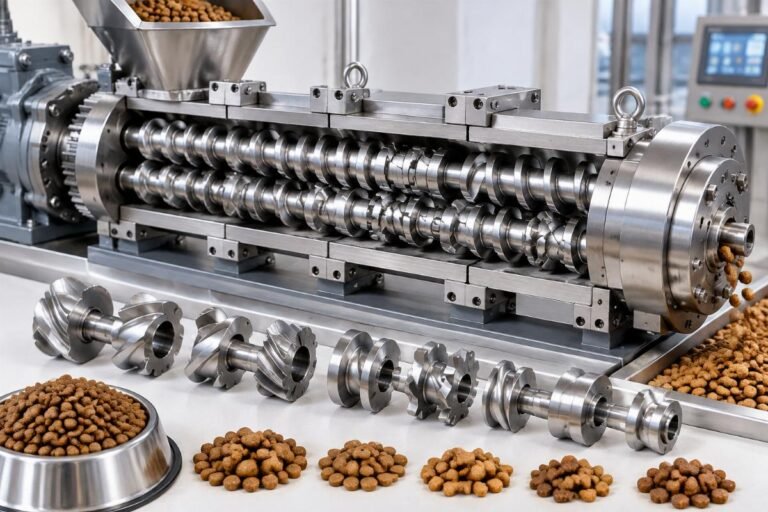

Machine specifications alone never guarantee export quality; the real bottleneck lies in CE documentation and sanitary welding standards.
Pet food plants in Turkey serve as a critical bridge for European and Middle Eastern markets, leveraging strategic trade agreements to minimize lead times while requiring CE-certified twin-screw extrusion lines and localized formula support to meet strict regional hygiene and palatability demands.
During my early years inspecting machinery in Jinan workshops before transitioning to international trade, I learned that selling equipment to a hub like Turkey requires looking beyond mere mechanical tolerances. I once spent weeks adjusting DS65 twin-screw extruder parameters for a Southeast Asian client, obsessing over stainless steel weld seams and gelatinization degrees, only to lose the deal to a knowledgeable Turkish intermediary because I neglected the CE certification files and turnkey training clauses. Now, when discussing production setups with buyers from the Middle East and Europe, I prioritize their clearance routines and formula development needs over simple screw configurations.
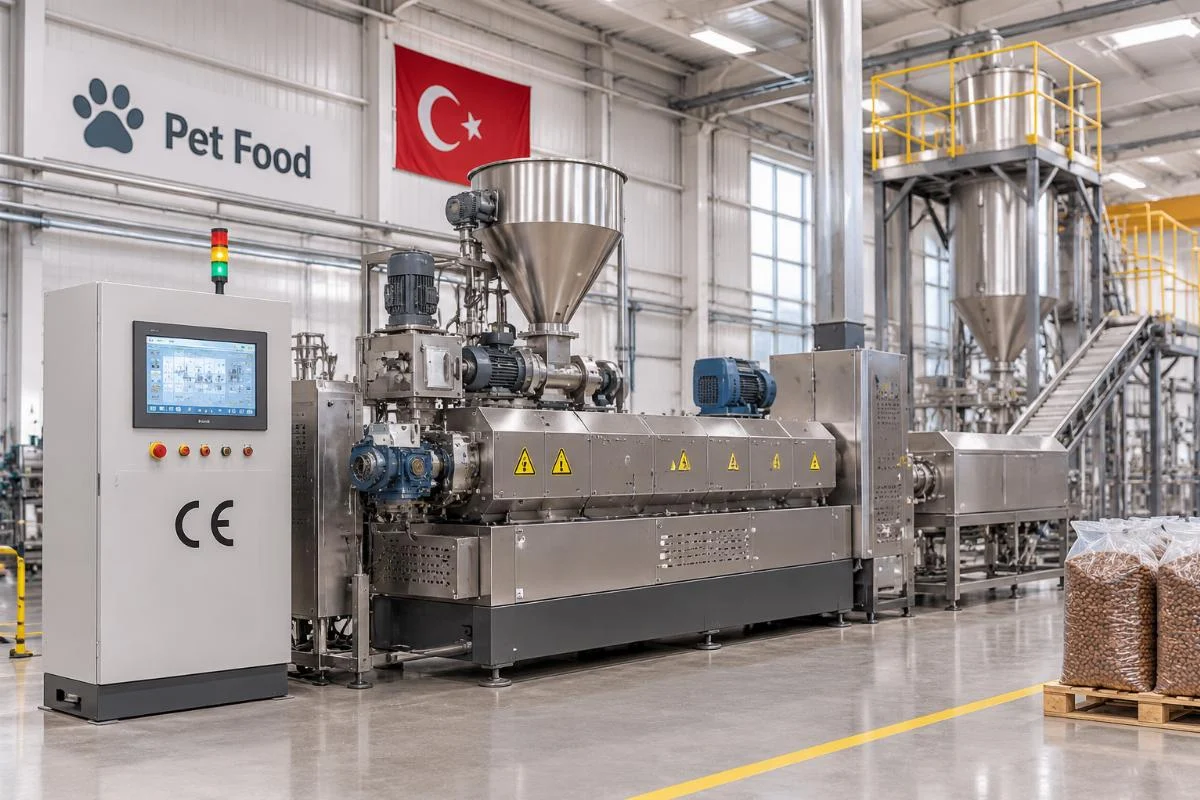
Establishing a facility in this region is not just about buying hardware; it is about integrating compliance, logistics, and nutritional science into a single operational framework.
Why Turkey is the Strategic Hub for EU and MENA Pet Food Exports?
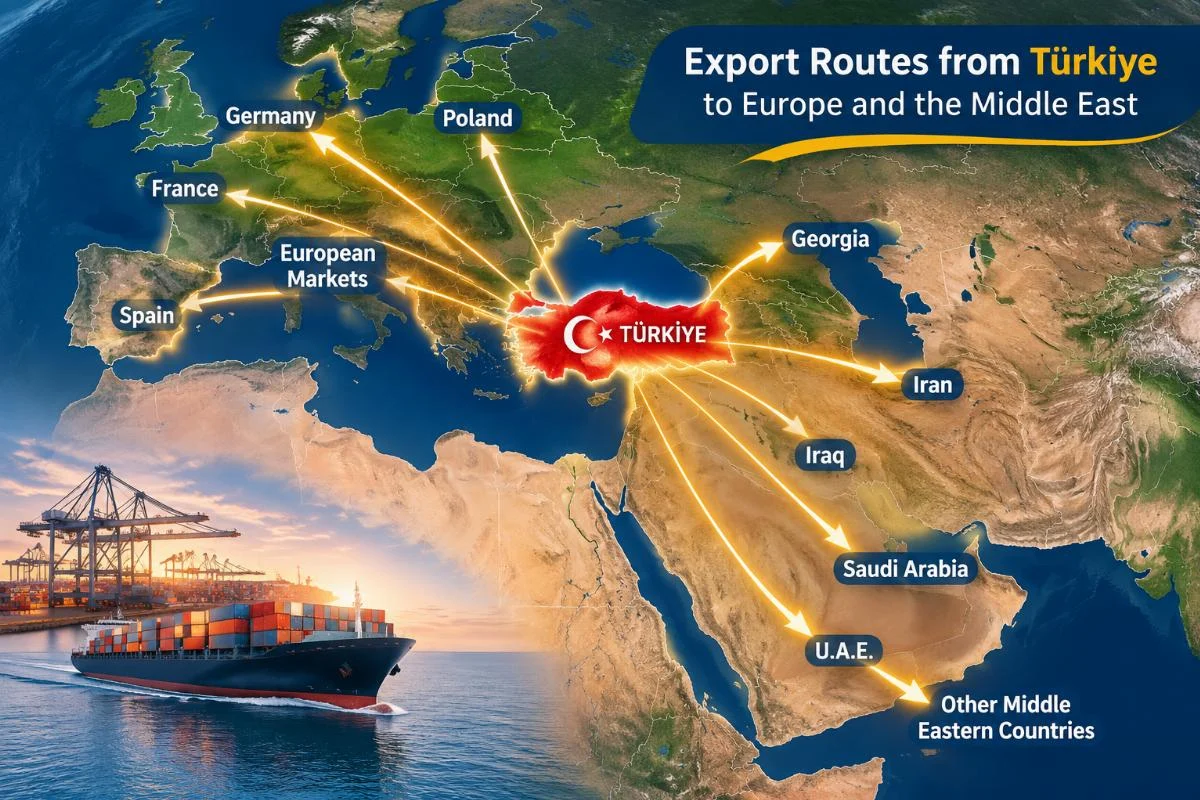
Geography and customs unions transform local manufacturing into a high-speed distribution network for surrounding continents.
The physical location of pet food plants in Turkey drastically reduces transit times to both the European Union and the Middle East and North Africa region. Trade agreements and localized logistics networks allow manufacturers to bypass the lengthy maritime delays associated with East Asian exports. When a startup scales from a pilot phase to commercial capacity, the ability to rapidly replenish stock across multiple regions becomes a decisive competitive advantage.
However, this geographic advantage is useless if the production infrastructure cannot adapt to diverse market demands. A facility designed solely for domestic consumption will fail when tasked with producing high-meat recipes for European premium brands or specific carbohydrate profiles for Middle Eastern markets. The transition requires flexible extrusion parameters and a deep understanding of regional supply chains.
What Equipment Specs are Required for EU-Compliant Pet Food Plants?
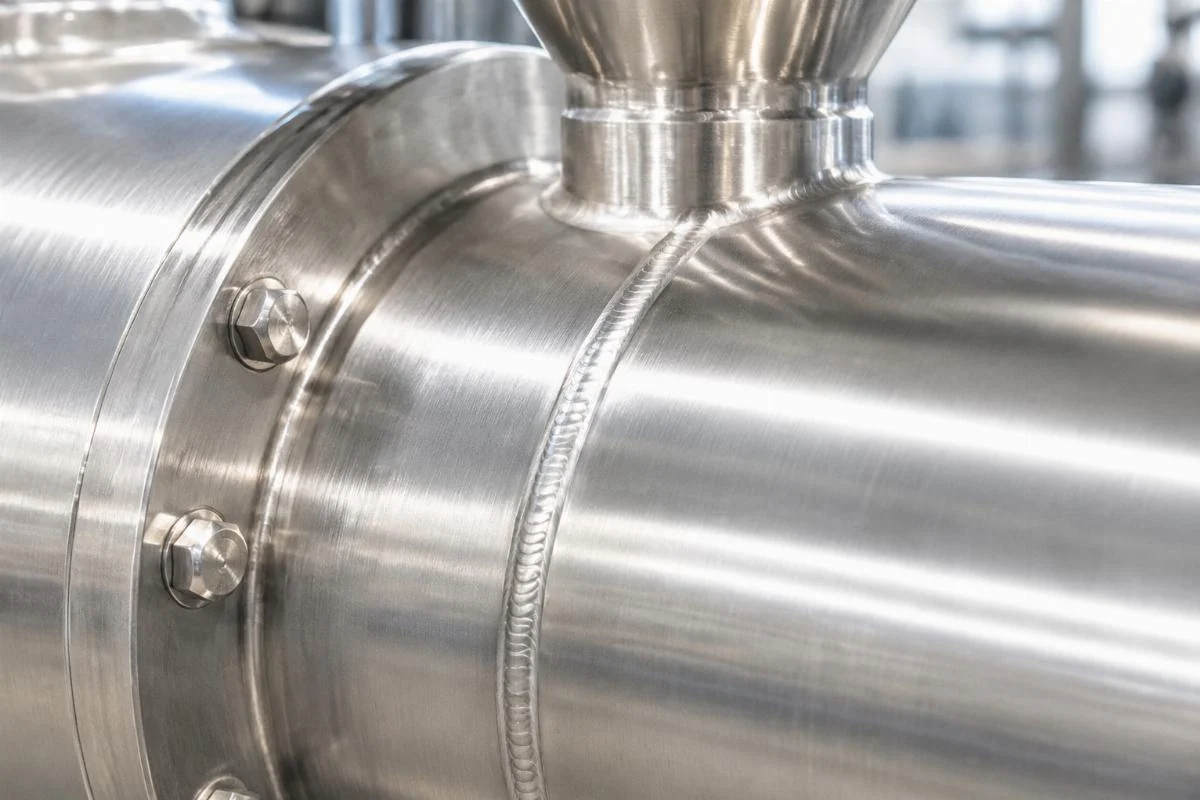
Food-grade stainless steel construction and rigorous sanitary welding are mandatory for crossing European borders.
When upgrading machinery to meet strict EU hygiene standards, the focus must shift from basic functionality to verifiable material safety. The following matrix illustrates the qualitative differences between basic setups and export-ready configurations required for pet food plants in Turkey.
| Compliance Factor | Basic Setup | Export-Ready Configuration |
|---|---|---|
| Material Grade | Standard Stainless | Food-Grade 304/316 |
| Welding Finish | Visible Seams | Sanitary Polish |
| Documentation | Basic Manual | Full CE Machinery Directive File |
| Traceability | Batch Level | Component Level |
Most buyers assume that purchasing a high-capacity machine ensures export quality. Actually, missing CE files and untrained operators halt exports far more often than mechanical failures. I recently consulted for a Middle Eastern contract manufacturer who faced severe customs delays because their supplier provided excellent extrusion capacity but lacked the specific sanitary welding certifications required by European auditors. Upgrading to a fully documented DS70 twin-screw extruder line resolved the compliance gap, proving that paperwork is just as critical as the hardware itself.
How to Optimize Turnkey Production Lines for Regional Formulas?
Flexible extrusion parameters and integrated coating systems are essential for adapting to diverse palatability needs.
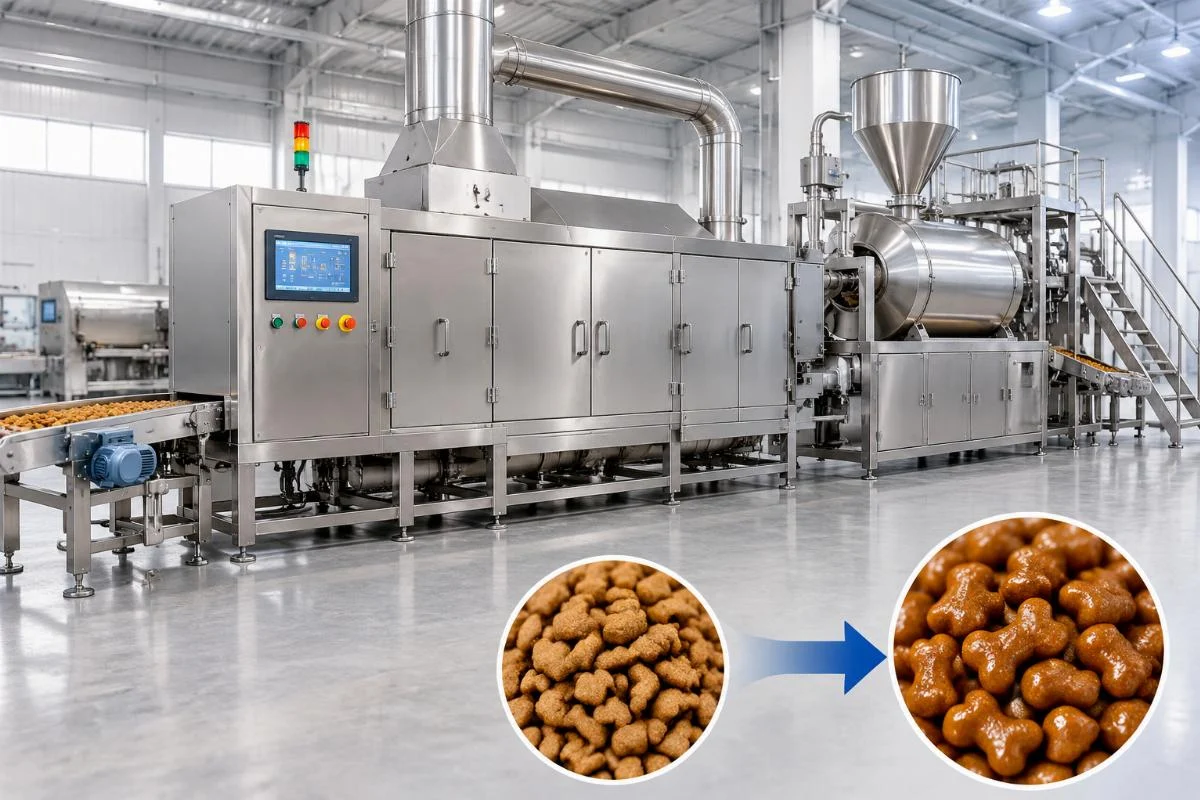
Optimizing a production line for regional formulas requires a systematic approach to ingredient handling and thermal processing. The process involves several critical steps to ensure the final product meets the specific expectations of target markets.
- Raw Material Intake and Grinding: Ensure consistent particle size for high-meat formulations, which is crucial for the European market.
- Conditioning and Moisture Adjustment: Precisely control steam injection to achieve the optimal gelatinization degree without degrading sensitive proteins.
- Twin-Screw Extrusion: Utilize flexible temperature and moisture curves to handle varying meat inclusion rates.
- Drying and Cooling: Integrate multi-stage drying systems to achieve uniform moisture content, preventing mold during transit to humid Middle Eastern climates.
- Flavor Coating: Apply precise fat and palatability enhancer coatings to meet regional taste preferences.
A European startup once struggled with a pilot-to-commercial scale-up because their single-step drying system could not handle the increased moisture load of a new high-meat recipe. By consolidating extrusion, drying, and coating systems into a single, optimized container-load design, they reduced their facility footprint significantly while improving product consistency. This turnkey integration is vital for pet food plants in Turkey aiming to serve both markets efficiently.
Which Compliance and Training Gaps Cause Customs Delays?
Missing technical files and inadequate operator training are the primary culprits behind halted shipments.
It is a common misconception that local brokers handle all compliance aspects. In reality, buyers must independently verify raw material intake protocols and sanitary welding standards before the machinery even leaves the factory floor.
The most frequent gaps include:
- Incomplete CE technical construction files.
- Lack of localized operator training leading to inconsistent batch quality.
- Unverified sanitary welding records for food-contact surfaces.
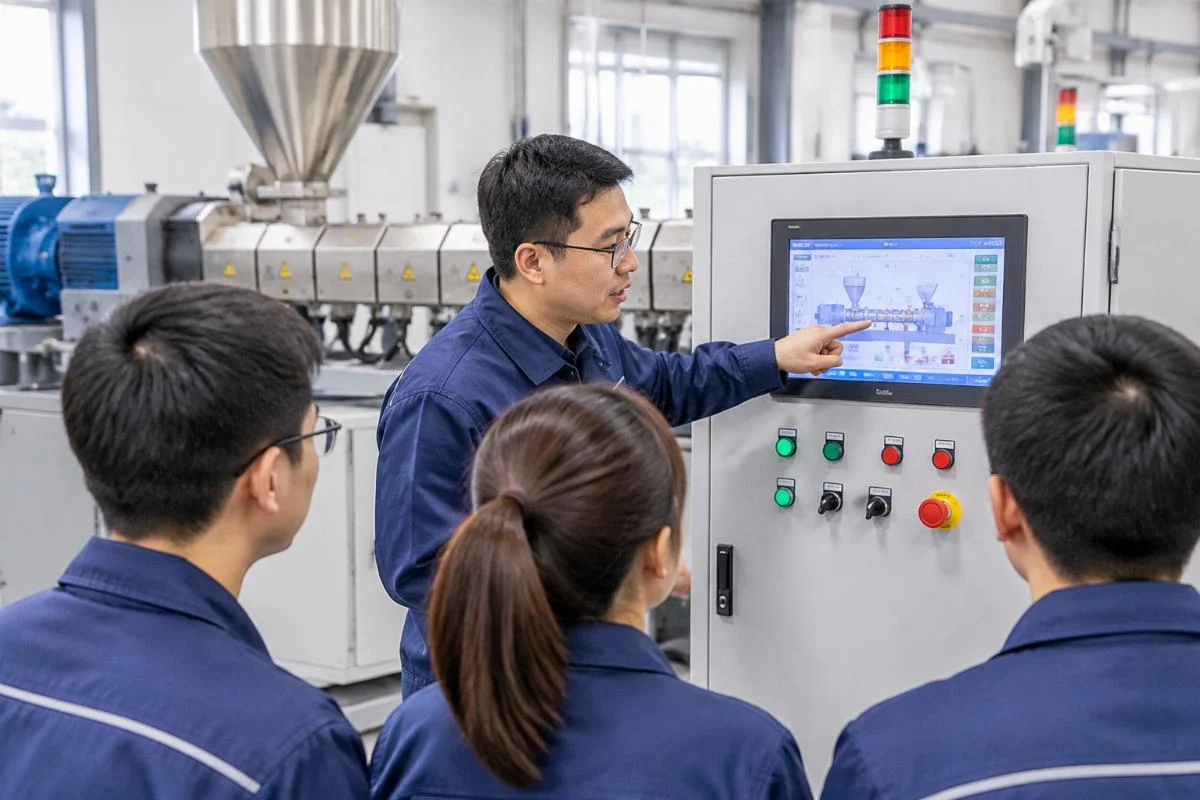
When a Turkish plant attempted to export a full order of aquatic and pet food to a strict European buyer, the shipment was held at customs due to missing operator certification logs and incomplete material traceability documents. The delay cost several times the initial savings from choosing a cheaper, non-compliant supplier. Implementing comprehensive on-site installation, commissioning, and multi-language operator training protocols ensures that the human element of the pet food plants in Turkey matches the mechanical precision of the equipment.
Conclusion
Strategic location and rigorous compliance form the foundation of successful regional exports.
Pet food plants in Turkey thrive by combining logistical advantages with strict adherence to EU and MENA standards. Success requires moving beyond basic machine specs to embrace turnkey integration, verifiable sanitary construction, and comprehensive operator training.
Machines Mentioned in This Article

cat food machine
Pet Food Processing Equipment Plant Manufacturer Dog Food
View Machine
cat food machine
Dry Dog Food Production Line Pet Food Pellet Machine
View Machine
cat food machine
Pet Food Production Line Manufacturer
View Machine
cat food machine