Extruder precision means nothing if the post-extrusion drying system fails in tropical humidity.
Shipping a pet food production line to Southeast Asia requires climate-adapted drying systems and localized commissioning, not just standard logistics. The core of a successful deployment lies in matching the psychrometric requirements of the local environment and ensuring seamless power integration upon arrival.
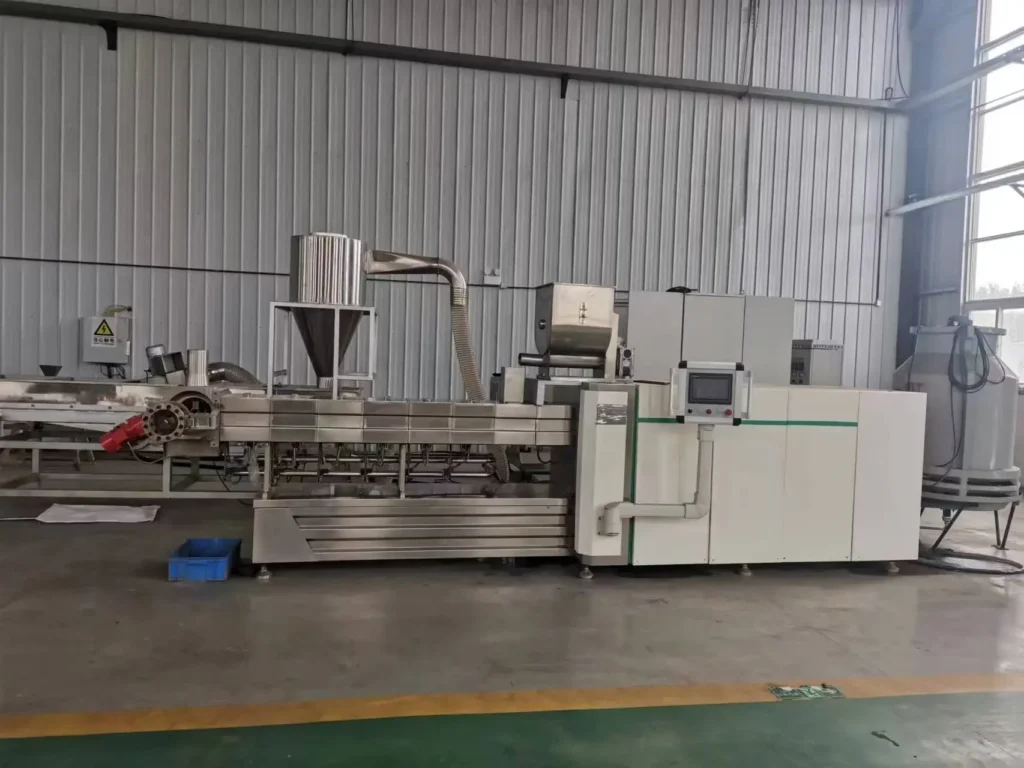
Years ago, I stood on the factory floor in Jinan, obsessing over the die hole precision of a twin-screw extruder destined for Jakarta. We shipped a one-ton-per-hour pet food extrusion line, and I was convinced that the extrusion parameters were the make-or-break factor. When the equipment landed, the cooling ducts lacked proper dehumidification. In the relentless heat and moisture of the Indonesian capital, the extruded kibble simply could not drop its moisture content. The entire warehouse batch spoiled. That failure shifted my entire perspective on exporting machinery. Now, when designing a pet food production line for buyers in Thailand or Vietnam, the first calculation is never just the screw configuration; it is the psychrometric chart analysis for the drying air in a tropical environment.
Understanding these environmental and logistical variables is the first step toward a profitable import operation.
How to adapt the drying system for Thailand and Vietnam’s high humidity?
Standard dryers fail in Southeast Asia; mandatory dehumidification is required to prevent mold and ensure shelf stability.
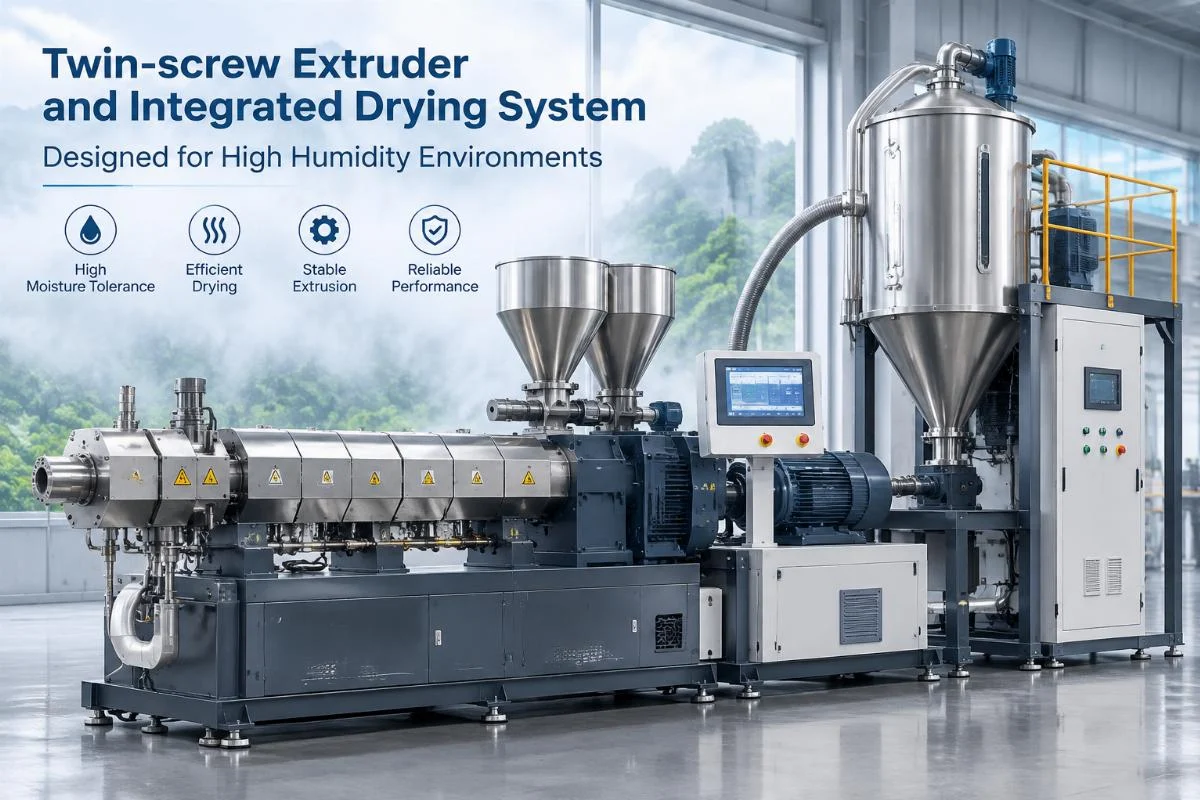
When you are shipping a pet food production line to regions where ambient relative humidity frequently exceeds eighty percent, the thermal dynamics change completely. A standard multi-layer oven relies on drawing in ambient air, heating it, and passing it over the product. In Thailand or Vietnam, you are essentially pulling a sponge full of water into your drying chamber. The heat balance calculations for tropical environments dictate that the drying air must be dehumidified before heating.
A buyer in Vietnam once procured a standalone extruder and a basic conveyor dryer from different sources. During the rainy season, the moisture retention in the final product remained stubbornly high, leading to rapid spoilage. The root cause was not the extrusion process, but the inability of the dryer to handle the latent heat load of the humid intake air. To resolve this, the drying system must incorporate a desiccant or refrigerant dehumidification stage prior to the heating coils. This ensures that the air entering the drying chambers has a consistently low dew point, allowing for effective moisture migration from the kibble core to the surface.
Risk Checklist for Tropical Drying:
- Air Intake Treatment: Uncontrolled ambient air intake leads to Uncontrolled moisture retention.
- Material Selection: Standard carbon steel components are Vulnerable to rapid corrosion; food-grade 304/316 stainless steel construction is Robust against tropical humidity and saline coastal air.
- Insulation: Poorly insulated ducting results in Noticeably reduced thermal efficiency and condensation buildup.

Adapting the thermal profile is non-negotiable. Meiteng addresses this by integrating customized drying and cooling systems that account for local climate data, ensuring the final product achieves the target moisture percentage safely.
What are the critical shipping and container loading FAQs for Indonesia?
Consolidating extruders, dryers, and coolers requires precise volumetric planning to avoid partial shipments and demurrage fees.
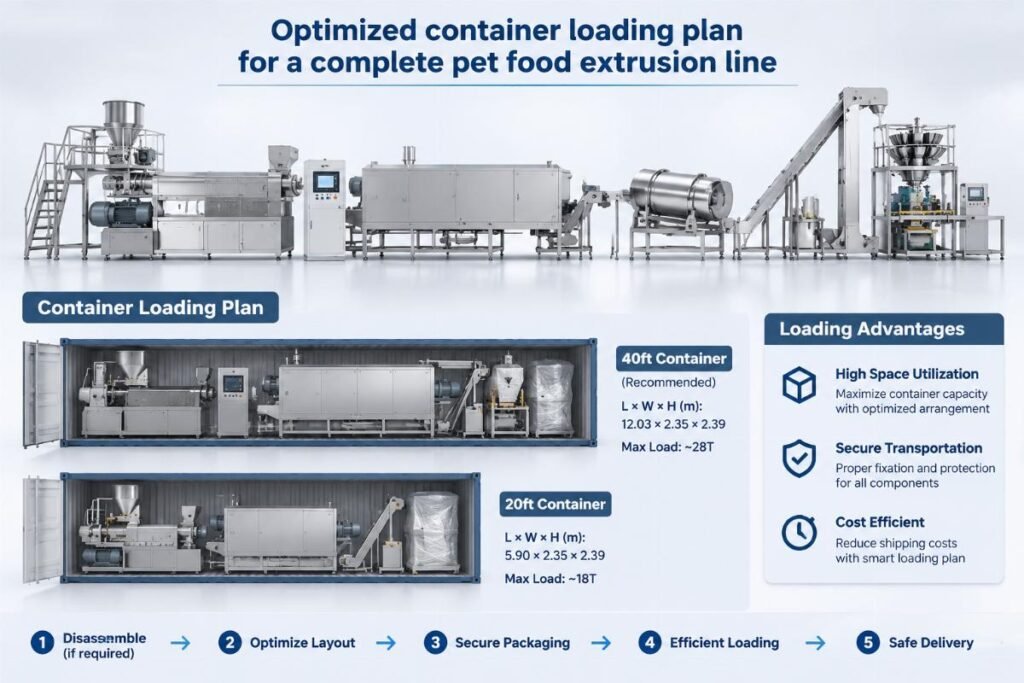
When shipping a pet food production line to Indonesia, the physical footprint of the equipment often exceeds the capacity of a single standard container. A complete line includes the mixer, twin-screw extruder, multi-layer dryer, cooling silo, and flavor coating system. Buyers frequently underestimate the cubic meter (CBM) requirements, leading to fragmented shipments that delay production startup.
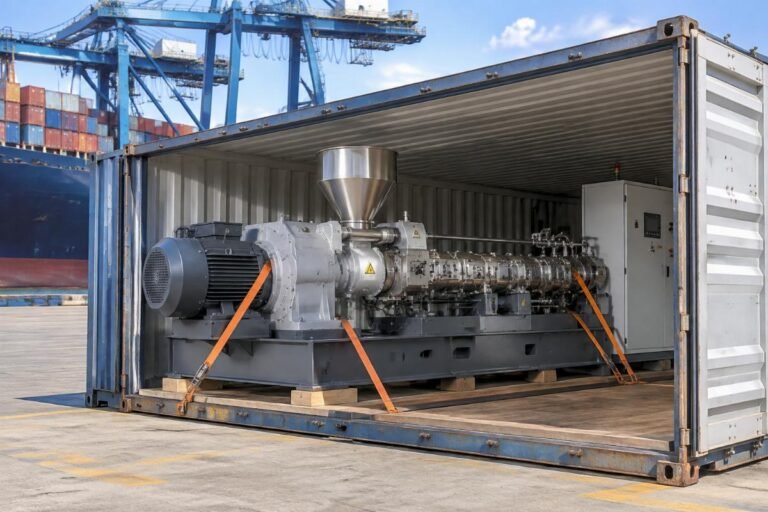
The critical FAQ here revolves around container utilization. If the dryer is shipped disassembled without proper nesting, it consumes excessive space. Professional manufacturers optimize the packaging design to interlock components, maximizing the payload within a high-cube container. Furthermore, the heavy vibration during ocean transit requires specialized bracing for the extruder barrel and the dryer mesh belts. Without proper load distribution, the structural integrity of the dryer layers can be compromised before the container even reaches the port of Tanjung Priok.
Risk Checklist for Container Loading:
- Volumetric Mismatch: Unplanned loading results in Partial shipments and extended lead times.
- Transit Protection: Inadequate bracing leaves heavy components Vulnerable to structural deformation.
- Corrosion Prevention: Standard packaging in humid transit routes is Vulnerable; vacuum-sealed moisture barriers are Robust.
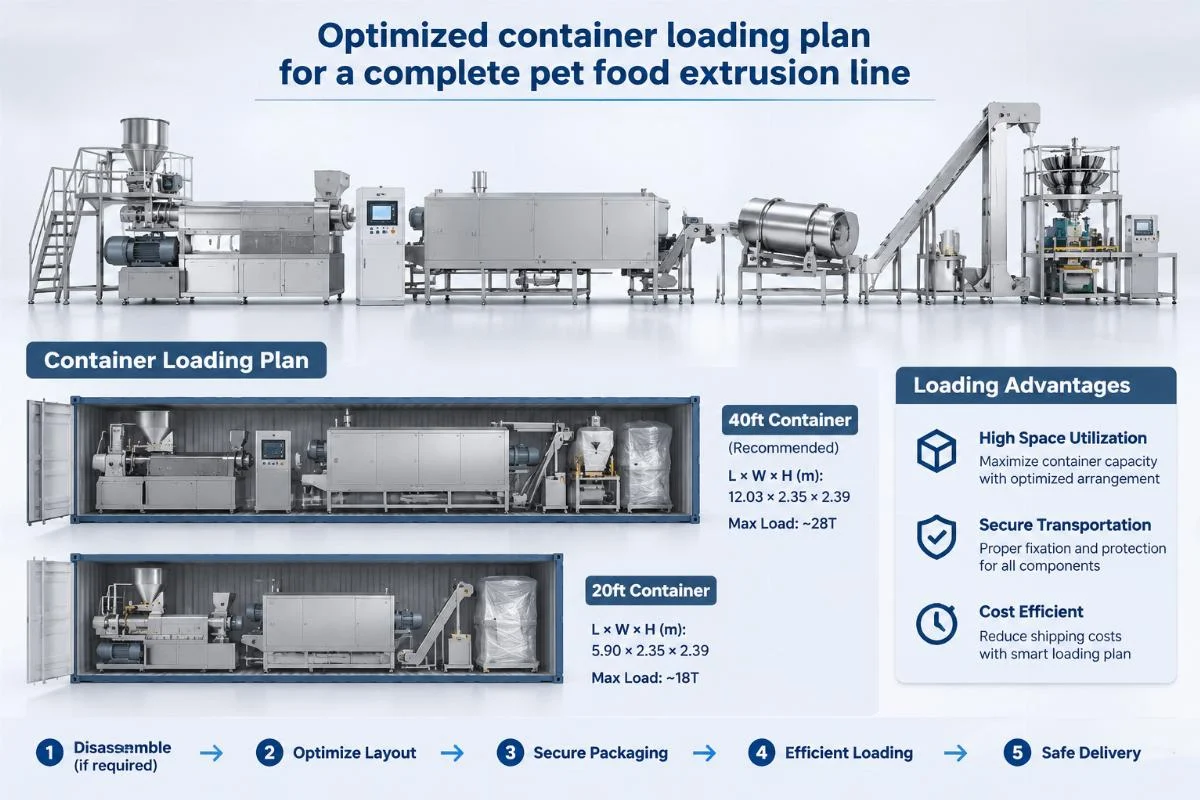
Proper consolidation is about protecting your capital. Meiteng provides comprehensive container-load consolidation with export documentation, ensuring that the entire pet food production line arrives as a single, coordinated unit, ready for assembly.
How to handle local power grids and on-site commissioning?
Motor voltage and frequency mismatches cause severe delays; pre-shipment testing and localized electrical adaptation are vital.
The electrical infrastructure in Southeast Asia can present unexpected challenges. While many industrial zones in Thailand and Vietnam have stabilized grids, local fluctuations and specific frequency requirements (50Hz vs 60Hz) can devastate standard equipment. Shipping a pet food production line with motors calibrated for a different grid means the equipment will either overheat or fail to reach the required torque during startup.
Consider a scenario where a buyer in a secondary industrial park in Indonesia received a line with standard European voltage ratings. The local grid experienced frequent voltage sags. The extruder main motor, lacking appropriate phase protection and voltage tolerance, tripped continuously during the initial commissioning. The solution required on-site motor replacement and the installation of localized step-up transformers and soft starters. To prevent this, all electrical cabinets must be pre-wired and tested against the buyer’s specific grid parameters before leaving the factory. The control systems, typically utilizing Siemens or similar programmable logic controllers, must be programmed with the exact local frequency to ensure accurate screw speed and feeder calibration.
Risk Checklist for Electrical Commissioning:
- Grid Compatibility: Unverified voltage ratings lead to Immediate motor failure.
- Control Calibration: Unadjusted frequency settings result in Inaccurate dosing and extrusion pressure.
- Component Protection: Standard breakers are Vulnerable to local surges; customized phase protection is Robust.
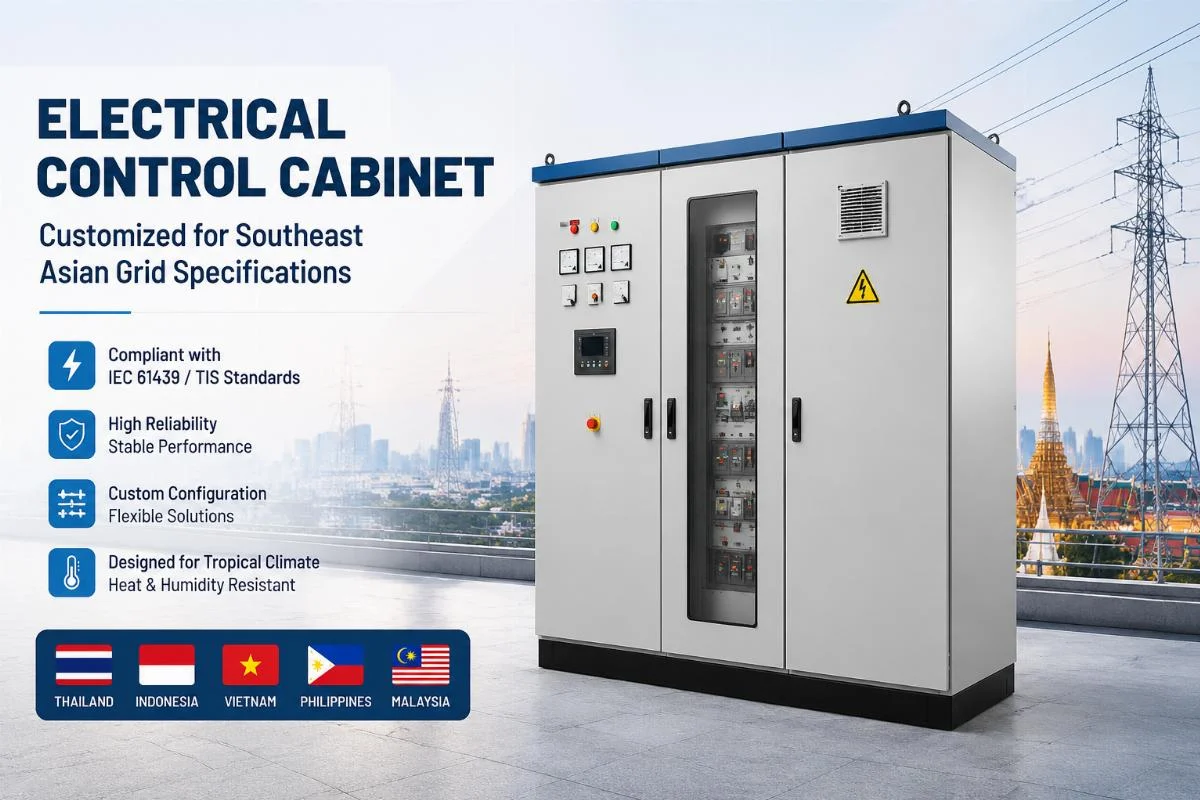
Electrical readiness prevents costly downtime. Meiteng ensures that every pet food production line undergoes rigorous pre-shipment electrical testing, matched precisely to the destination country’s grid, followed by on-site installation and operator training to guarantee a smooth handover.
Why choose a turnkey supplier over standalone equipment shipping?
Formula development and climate-adjusted line design prevent post-arrival failures that standalone equipment cannot solve.
Purchasing individual machines from various vendors often results in a fragmented production line where the interfaces between the extruder, dryer, and coater are mismatched. When shipping a pet food production line, the true value lies in the systemic integration. A turnkey approach ensures that the airflow from the cooler perfectly matches the exhaust capacity of the dryer, and that the flavor coating drum operates at the exact throughput of the extruder.
A startup in Thailand attempted to build their own line by sourcing a twin-screw extruder from one supplier and a coating system from another. The result was a severe bottleneck; the coating drum could not handle the throughput of the extruder, leading to product backlog and inconsistent flavor application. Furthermore, the supplier of the extruder provided no support for the specific high-meat formulation the buyer wanted to use. The formulation simply did not expand correctly in the barrel. A turnkey supplier provides formula development support, adjusting the screw configuration and barrel temperature profiles to match the specific raw materials. This holistic approach, utilizing food-grade 304/316 stainless construction and adhering to 3-A sanitary standards, ensures that the entire line operates as a single, optimized organism.
Risk Checklist for Turnkey Integration:
- Systemic Mismatch: Standalone sourcing leads to Uncontrolled throughput bottlenecks.
- Formulation Support: Lack of R&D results in Unsuccessful product expansion and texture.
- Hygiene Standards: Mixed vendor equipment creates Uncontrolled sanitation risks; unified 3-A standards are Robust.

Systemic synergy is the foundation of profitable manufacturing. Meiteng delivers full turnkey line design from raw material intake to packaging, backed by formula development and R&D support, ensuring that your pet food production line is perfectly calibrated for both your recipe and your local environment.
Conclusion
Success in Southeast Asian pet food manufacturing depends on environmental adaptation and systemic integration, not just machinery specs.
Shipping a pet food production line requires navigating high humidity, complex logistics, and localized electrical grids. By prioritizing climate-adapted drying systems, precise container consolidation, and comprehensive turnkey integration, buyers can avoid costly post-arrival failures and ensure a stable, high-quality production output.
Machines Mentioned in This Article

cat food machine
Pet Food Processing Equipment Plant Manufacturer Dog Food
View Machine
cat food machine
Dry Dog Food Production Line Pet Food Pellet Machine
View Machine
cat food machine
Pet Food Production Line Manufacturer
View Machine
cat food machine