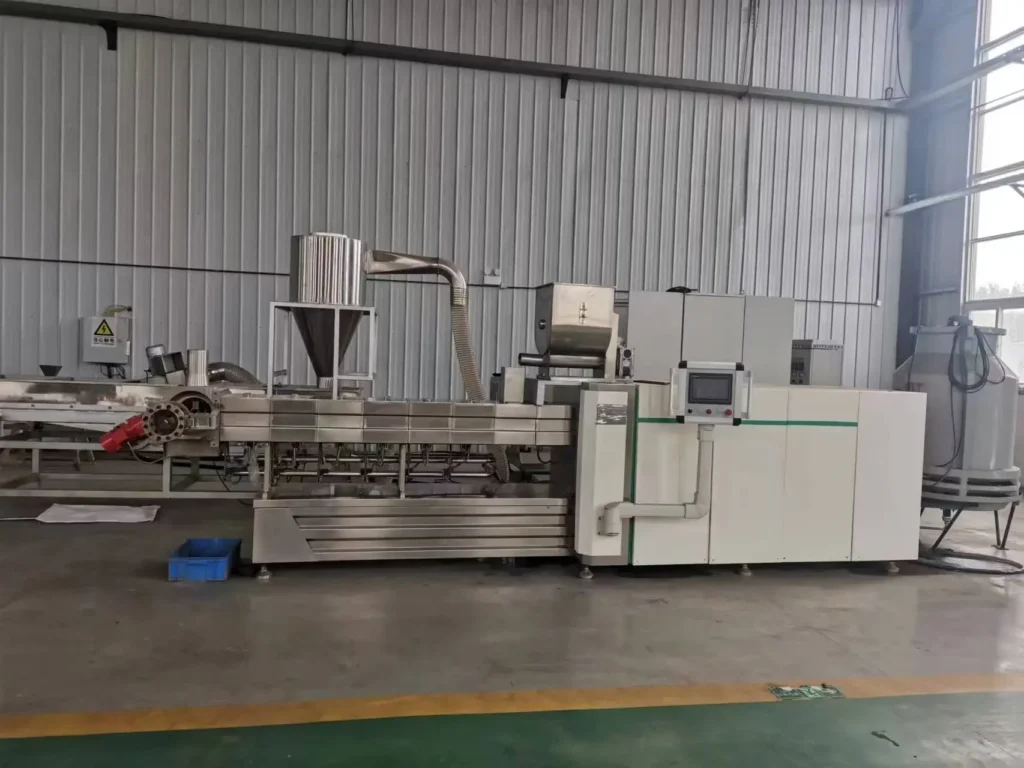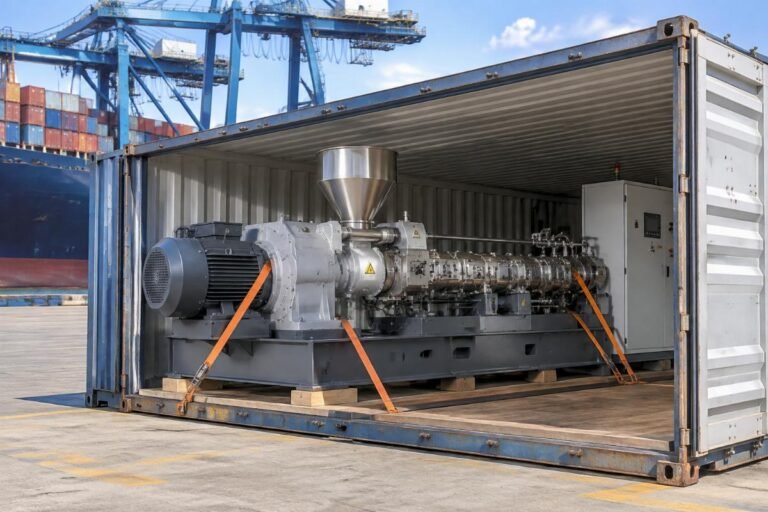

Choosing the “hassle-free” delivery option for heavy machinery is the fastest way to destroy your profit margin.
For importing heavy pet food extrusion lines, FOB and CIF offer clear risk allocation and predictable cost control, while DDP exposes buyers to unpredictable destination port fees, inland transport spikes, and severe customs delays. Buyers should avoid DDP for twin-screw extruders and opt for FOB to control ocean freight or CIF to leverage supplier-managed logistics and insurance.
I still remember the exact moment I realized that promising a “door-to-door” price for heavy machinery was a trap. Years ago, I was tightening bolts on the assembly floor in Ningbo before moving into foreign trade. I thought I understood logistics until we signed a DDP contract to ship a DS70 twin-screw extruder to Manzanillo, Mexico. We thought we were offering premium service. In reality, we walked straight into a nightmare. The equipment hit the destination port, and suddenly we faced unexpected customs inspections combined with a massive spike in inland trucking rates. The freight and tax overruns ate up half of our profit on that entire order. Since that day, I treat DDP for heavy equipment like a red flag. For pet food production lines, FOB and CIF are the only sensible paths because they keep risk allocation transparent. When evaluating the Incoterms for pet food machine order, you must look beyond the initial quote and understand where your real financial exposure lies.
Let us break down how to navigate these shipping terms without losing your shirt.
What are the core differences between FOB, CIF, and DDP for machinery?
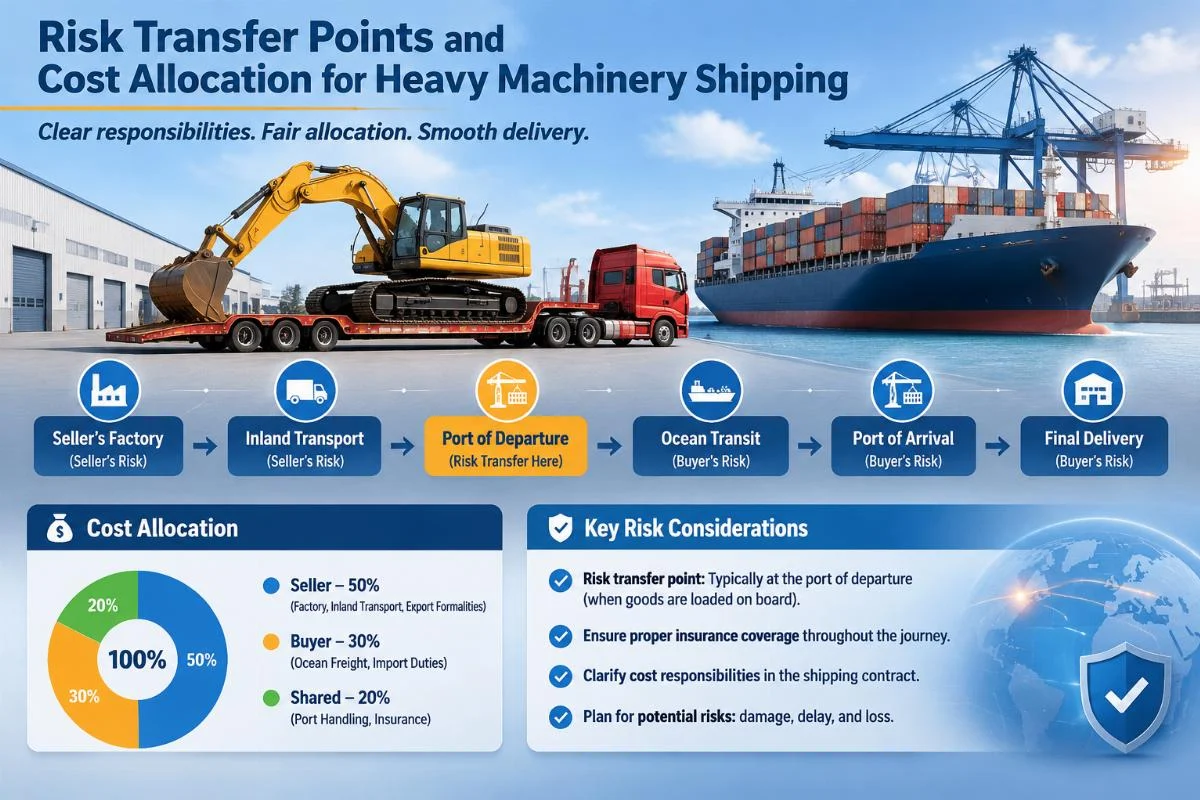
FOB (Free On Board) and CIF (Cost, Insurance, and Freight) clearly define where risk transfers from seller to buyer at the origin port, whereas DDP (Delivered Duty Paid) forces the seller to absorb all destination risks, which inevitably inflates the initial machinery price.
When you are sourcing a complete pet food production line, understanding the Incoterms for pet food machine order is non-negotiable. Under FOB, the seller handles export customs and loads the machinery onto the vessel. The moment the heavy extruder and dryer sections clear the origin port rail, the risk of loss or damage shifts entirely to you, the buyer. You control the ocean freight and the main transit insurance.
CIF looks similar on the surface, but the seller pays the freight and insurance to your destination port. However, the risk still transfers at the origin port. If the ship encounters a storm, it is your insurance claim to file, even though the seller paid the premium.
DDP is the outlier. The seller is responsible for everything, including import customs clearance and paying destination duties. For a standard consumer good, this is fine. For a multi-ton twin-screw extruder line, it is a disaster waiting to happen. Sellers cannot predict destination port congestion fees or sudden tariff changes, so they build a massive contingency buffer into your quote.

Why is DDP highly risky for heavy pet food extrusion lines?
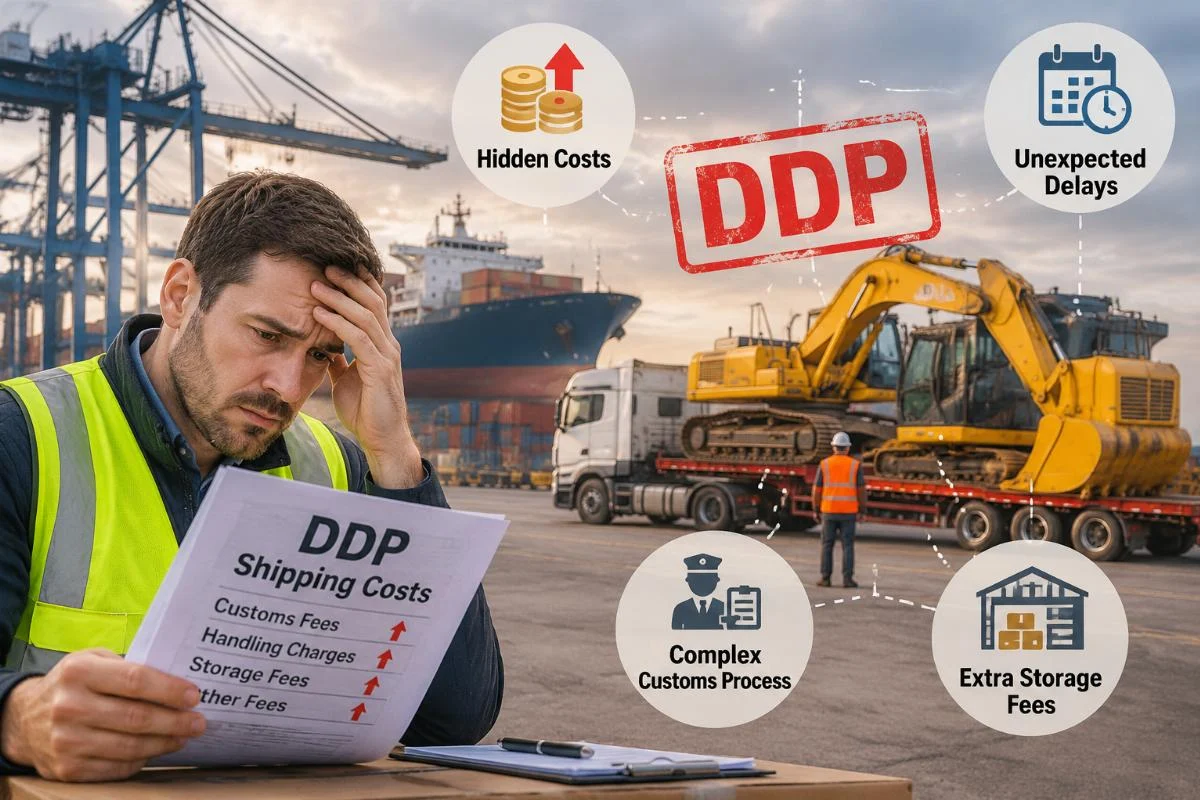
DDP transfers unpredictable destination risks to the supplier, which heavily inflates the initial quote and leaves the buyer vulnerable to hidden port fees and inland transport spikes once the machinery arrives.
I cannot stress this enough: DDP is a trap for heavy equipment. When a supplier quotes you DDP for a 2000kg/h pet food extrusion line, they are guessing the future. They do not know if the destination port will be congested, if local trucking unions will strike, or if customs will decide to inspect the 304 stainless steel components for weeks.
A Latin American importer learned this the hard way. They wanted a turnkey snack food line and insisted on DDP to keep things simple. When the container arrived, the local customs broker delayed the clearance due to a minor documentation discrepancy. The container sat at the port, accumulating demurrage and storage fees daily. By the time the truck finally moved the machinery to the factory, the inland transport costs had tripled due to a regional fuel shortage. The buyer ended up paying thousands in hidden fees that were not in the original contract, completely wiping out their projected startup margin.
When you choose DDP for the Incoterms for pet food machine order, you surrender control. You cannot expedite customs, and you cannot negotiate local trucking rates. For heavy machinery like the DS65 or DS70 models, where every day of delay delays your production launch, DDP is simply too dangerous.
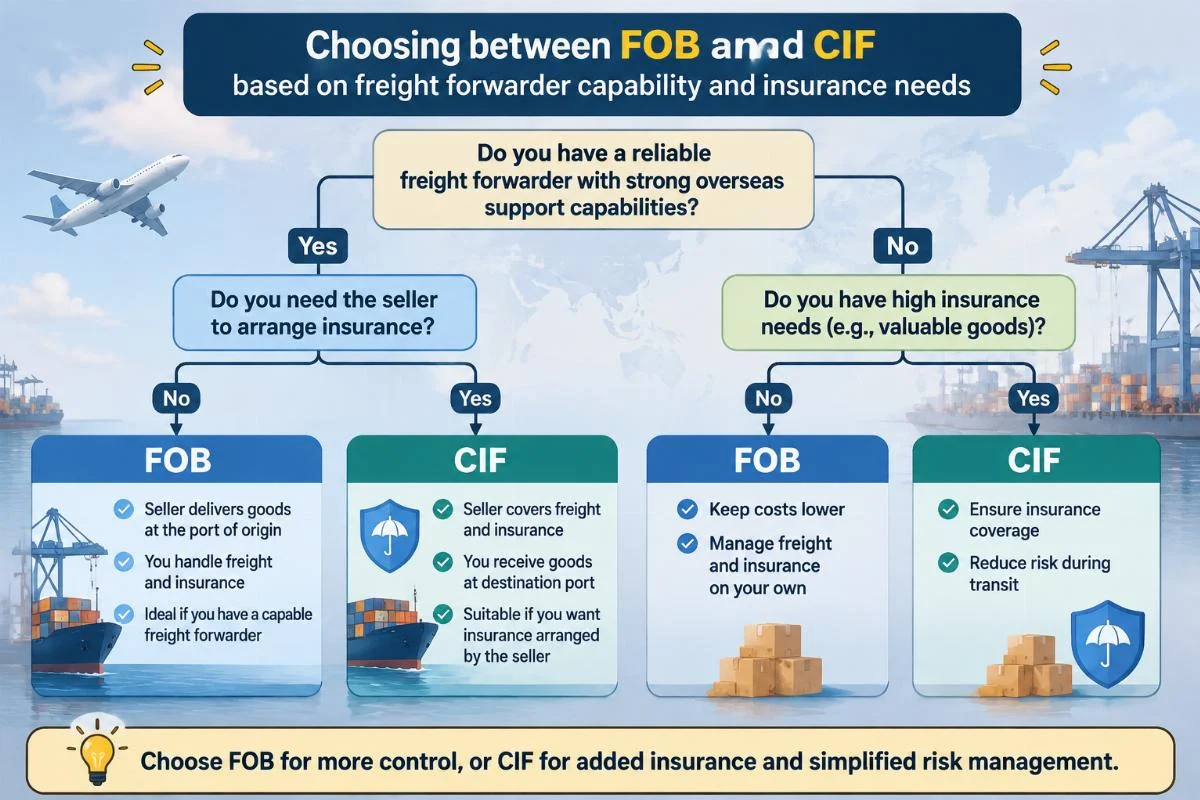
When should you choose FOB over CIF for your production line?
Choose FOB if you have a reliable local freight forwarder who can secure better ocean freight rates and consolidate shipments, but choose CIF if you want the manufacturer to handle the complex ocean transit insurance for your stainless steel equipment.
The decision between FOB and CIF often comes down to who has the better leverage in the freight market. Many buyers assume FOB is always cheaper because they control the freight. However, for heavy machinery, manufacturers often secure significantly better bulk ocean freight rates than individual buyers because they ship multiple containers monthly.
A Southeast Asian aquaculture producer decided to buy a floating fish feed extrusion line. They chose FOB because they believed their local agent could save them money. In reality, their agent charged a premium for handling a complex, multi-container shipment. If they had chosen CIF, the manufacturer could have utilized their established shipping lanes and consolidated the twin-screw extruder with the drying and cooling systems into a single, optimized container load, complete with all export documentation.
On the flip side, a Middle East snack startup opted for CIF. They knew that insuring a massive block of 316 stainless steel food-grade machinery was complicated. By letting the manufacturer handle the CIF terms, the supplier arranged comprehensive marine insurance that covered the entire transit. When a minor handling incident occurred at a transshipment port, the buyer was fully protected without having to negotiate with foreign insurance adjusters.
When finalizing the Incoterms for pet food machine order, evaluate your forwarder’s capability. If they cannot handle heavy machinery logistics flawlessly, let the manufacturer take the wheel via CIF.
How to calculate the true landed cost for each Incoterm?
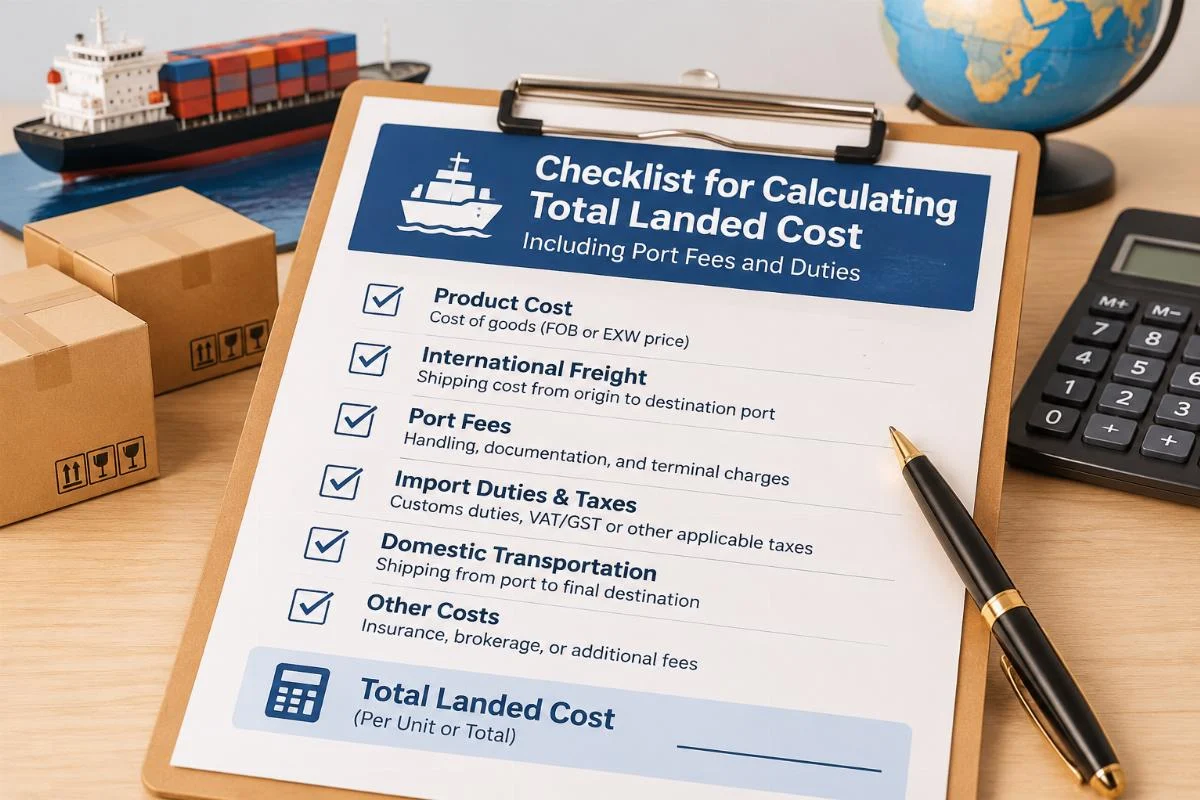
To calculate the true landed cost, you must look beyond the invoice price and add origin charges, ocean freight, marine insurance, destination port fees, import duties, and inland trucking based on the specific risk transfer point of your chosen term.
Buyers often look at the CIF price and think that is the final cost. It is not. The true landed cost requires a meticulous breakdown.
If you buy FOB, your landed cost is the machine price plus origin export fees, ocean freight, insurance, destination port handling charges, import duties, and the final truck to your factory.
If you buy CIF, the machine price already includes origin fees, ocean freight, and insurance. You only need to add destination port handling, import duties, and inland trucking.
If you buy DDP, the invoice price should theoretically cover everything. But in reality, suppliers will hit you with “unforeseen destination surcharges” the moment the goods arrive, because they refused to absorb the risk of local port volatility.
Always demand a detailed cost simulation from your supplier. Ask them to show exactly what is included in their CIF or DDP quote. If they are vague about destination port handling charges under DDP, walk away. A professional manufacturer will provide a transparent breakdown, ensuring your Incoterms for pet food machine order align with your actual financial reality.
Conclusion
Stop treating shipping terms as a mere formality; they are the financial shield that protects your capital investment.
For heavy pet food extrusion lines, DDP is a liability that invites hidden costs and delays, while FOB and CIF provide the transparency and risk control necessary for a successful factory launch. Evaluate your local logistics partners, understand the exact point where risk transfers, and choose the term that keeps your budget intact from the factory floor to your production hall.
Machines Mentioned in This Article

cat food machine
Dry Dog Food Production Line Pet Food Pellet Machine
View Machine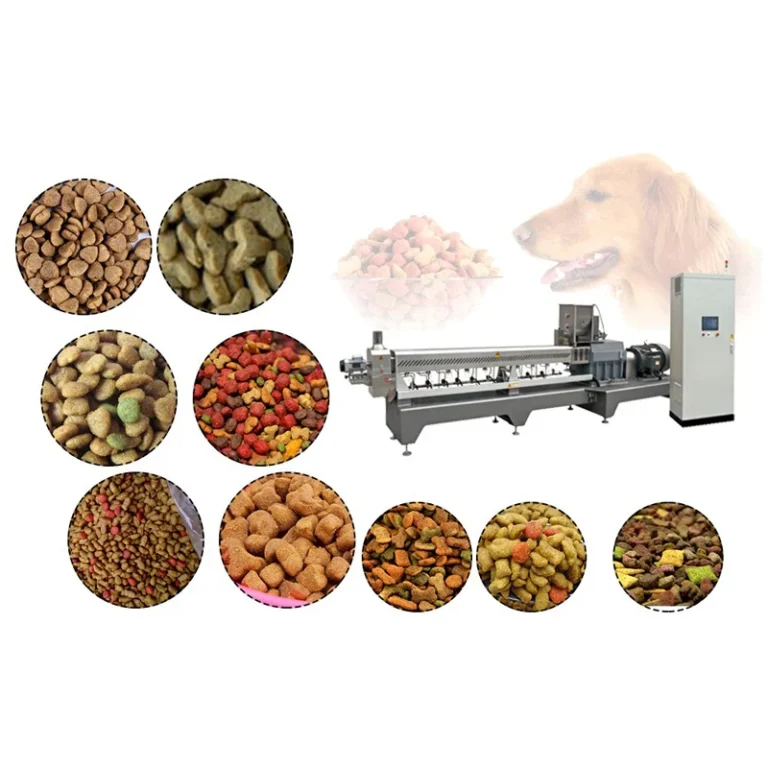
cat food machine
Dog Food Pellet Making Machine Line, Automatic Pet
View Machine
cat food machine
Pet Dog Pellets Food Processing Machine Line Manufacturer
View Machine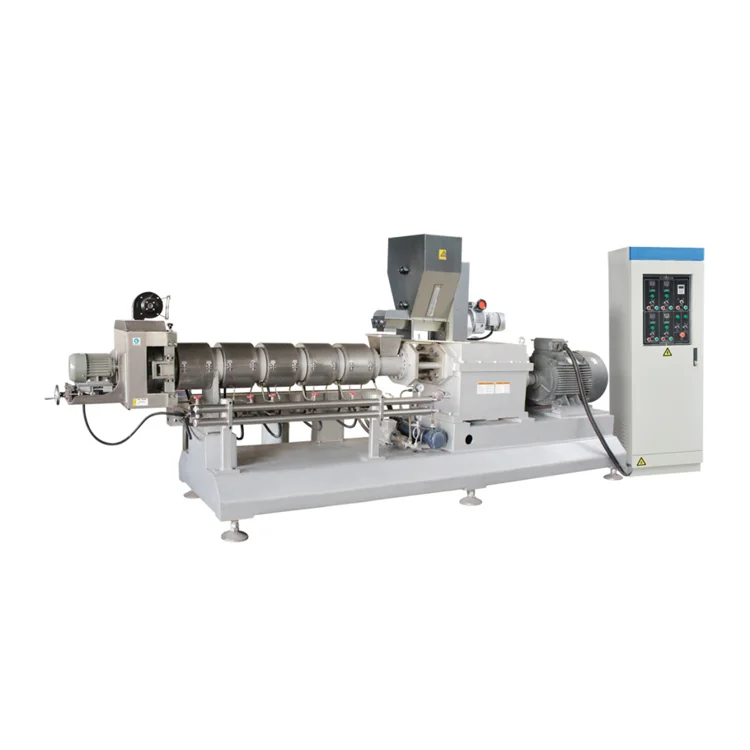
cat food machine