Output
- Sized to your target capacity
- Grinding, mixing, extrusion, drying and cooling matched as one line
- Free CAD and 3D plant layout


Dog Food Pellet Production Line for High-Meat Recipes — co-rotating twin-screw extrusion processes various formulas and multi-shape dies for flexible kibble sizes.
Trial With Your Own Raw MaterialsVisit the factory and test your recipe before you order.
Stock and Custom Lead TimesCommon standard models in stock, delivered within 10 days. Custom lines in 30–50 working days.
CE and ISO 9001:2015Food-grade stainless steel on all material-contact parts.
On-Site CommissioningOur engineers install the line and train your operators.
Overview
Jinan MT Machinery builds Dog Food Pellet Processing Machine Production Line at its own factory in Shandong, China, for pet food plants, new brand owners, OEM producers and feed mills.
Bring Your Raw Materials — Test your exact local recipes in our dedicated workshop before committing to a purchase.
| Parameter | Value |
|---|---|
| Product Type | Dog Food Production Line |
| Capacity | 100 kg/h to 2000 kg/h |
| Main Extruder | Twin-Screw Extruder |
| Screw Type | Co-rotating twin-screw |
| Control System | PLC/MCC control |
| Material of Construction | Food-grade stainless steel |
| Certification | CE, ISO 9001:2015 |
| Origin | Shandong, China |
| Industry | Typical Products |
|---|---|
| Pet Food Factories | Adult and puppy dog kibble, multi-shape and multi-color kibble |
| OEM Producers | High-meat and high-fat dog food recipes |
| Feed Mills | Standard dry dog food pellets with various sizes |
Poor expansion and sinking kibble usually stem from mismatched extrusion tuning, not just bad recipes. When processing high-cassava or high-meat local formulas, standard setups often fail to gelatinize the starch properly, leaving rock-hard pellets. During a trial in Brazil, a client wanted to use a high-cassava local recipe for dog kibble. Rushing the test without tweaking the screw configuration on the MT75 twin-screw extruder resulted in a disaster where the kibble barely puffed. We had to halt production, reconfigure the screws, and adjust the preconditioning temperature to get the right expansion. A reliable dog food pellet production line manufacturer must adapt the mechanical shear and thermal profile to your specific ingredients, ensuring consistent buoyancy and palatability across every batch.

Designing a functional dog food pellet production line requires mapping the equipment to your existing floor space and utility limits. We provide comprehensive CAD and 3D plant layouts to visualize how the mixer, extruder, dryer, and flavoring systems fit together. Whether you need a complete turnkey solution or are upgrading an existing plant with single machines, the process begins with understanding your target output and local infrastructure. We also support OEM and ODM customization to align the automation level with your operational capabilities.
Local ingredient variations dictate the required screw profile and barrel temperature zones. High-meat formulas demand specific shear levels to emulsify fats without clogging the die, while high-fiber or cassava-based recipes need precise moisture control during preconditioning to achieve proper starch gelatinization. Fat content directly influences the choice of downstream coating methods; higher fat levels require efficient application to maintain shelf stability without making the kibble greasy. Furthermore, switching between different kibble shapes and sizes requires quick die and cutter changeovers, which must be factored into your daily production scheduling.
The mixer ensures powder ingredients and water are blended with high speed and uniformity before entering the system. A screw conveyor then transfers the stirred material to the feed hopper for stable feeding. The MT75 co-rotating twin-screw extruder uses combined functional screws and automatic PLC/MCC parameter control to handle various recipes effectively. After extrusion, an air conveyor transmits material between different levels to reduce breakage. The multi-layer dryer adjusts temperature and time to ensure storage stability, while a vibrator spreads materials evenly into the flavoring drum to spray oil and sprinkle seasoning. For higher fat applications, an unverified vacuum coater option can be discussed during the technical consultation.
Selecting inadequate equipment often leads to sinking pellets that fail basic quality tests, causing immediate batch rejections. Inconsistent drying can result in moldy stock during storage, ruining months of inventory. Irregular shapes and oily chips indicate poor cutter alignment or improper fat application, driving away discerning pet owners. A bottleneck section, such as an undersized dryer, forces the entire line to idle, destroying your daily output targets and inflating energy costs per kilogram.
Our direct manufacturing status means every screw element and barrel is fabricated in-house, allowing precise adjustments for high-meat recipes that easily jam inferior machines. We insist on running real trials with your raw materials in our testing workshop to finalize the screw configuration before shipment. The MT75 extruder's modular design lets us swap specific flight elements to match your exact cassava or poultry meal ratios, preventing the rock-hard kibble issues common in unoptimized lines. Our engineers handle on-site installation and train your operators on maintenance, ensuring the PLC/MCC controls are utilized correctly from day one. Every line includes a 12-month warranty and lifetime remote technical support via video call to troubleshoot process deviations instantly.
To receive an accurate line proposal, CAD layout, and itemized quotation, please provide your target kibble shapes, required capacity, and raw material formulation direction. Include details about your available factory dimensions, preferred heating methods, and local voltage specifications. Once we review these parameters, we will invite you to run a physical trial with your ingredients at our facility to validate the extrusion parameters.
Q: How to determine the complete line configuration based on product type and capacity?
A: Configuration depends on your target hourly output and kibble size. We analyze your recipe's meat and fat content to select the appropriate MT75 extruder model and screw profile. The dryer size and flavoring systems are then scaled to match the extruder's capacity, ensuring no bottlenecks occur during continuous operation.
Q: Can the line process local raw materials and high-meat formulas effectively?
A: Yes, the co-rotating twin-screw design provides excellent mixing and shear control, making it ideal for high-meat and high-fat recipes. We adjust the screw configuration and preconditioning temperature specifically for your local ingredients, such as cassava or alternative flours, to ensure proper expansion and texture.
Q: How does the co-rotating twin-screw extruder compare to single-screw for dog food?
A: Twin-screw extruders offer superior self-cleaning and precise control over shear and temperature, which is critical for high-meat and sticky formulations. Single-screw machines often struggle with consistent feeding and expansion when fat content increases, making twin-screw the preferred choice for premium, complex dog food recipes.
Q: How long does it take to change dies and cutters for different kibble shapes?
A: Die and cutter changes are designed for quick conversion to minimize downtime. Operators can typically swap the die face and adjust the cutter speed within minutes, allowing flexible production runs of various kibble shapes and sizes within a single shift without extensive disassembly.
Q: What is included in the on-site installation, training, and warranty services?
A: Our engineers supervise the installation, commission the entire line, and train your staff on operation, maintenance, and safety. The service includes a 12-month warranty, spare parts supply at cost, and lifetime remote technical support via video call and messaging apps for ongoing process optimization.
Custom Configuration
Output, die, screw combination and heating are each set to your recipe, raw materials and plant conditions. OEM and ODM projects are supported.
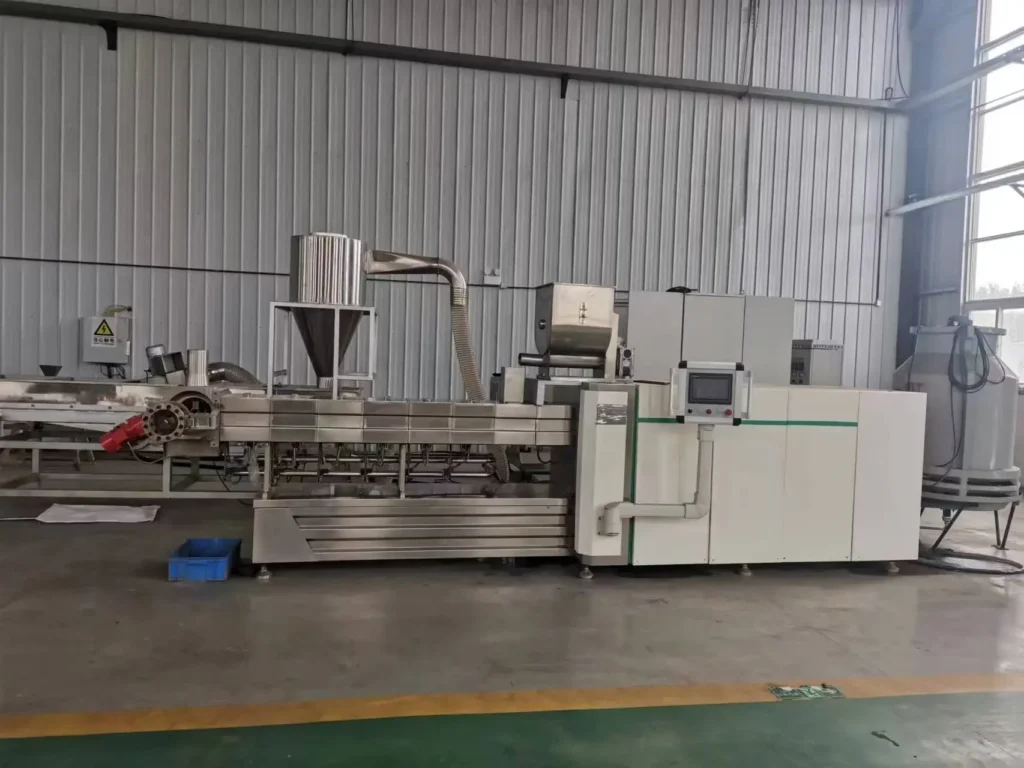
20,000 m²
Production base with CNC machining, welding, assembly, painting and a full-machine test workshop.
Factory to Plant
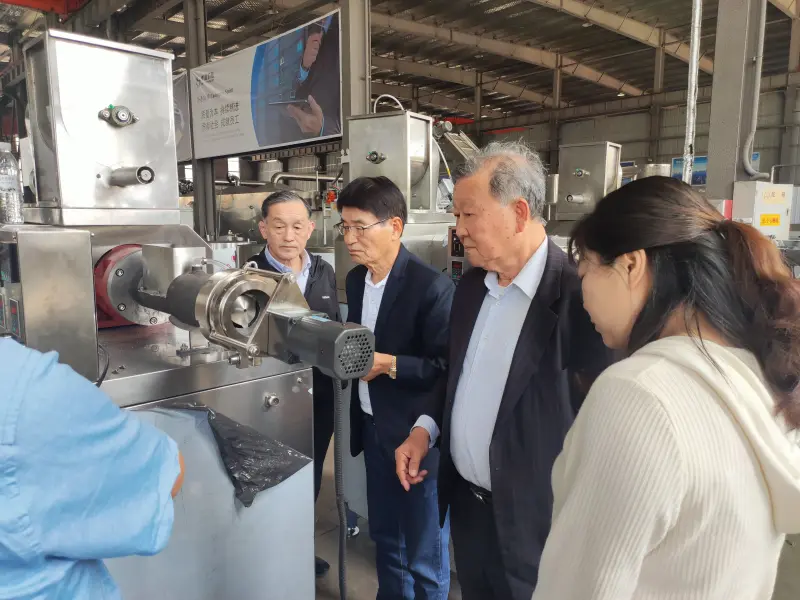
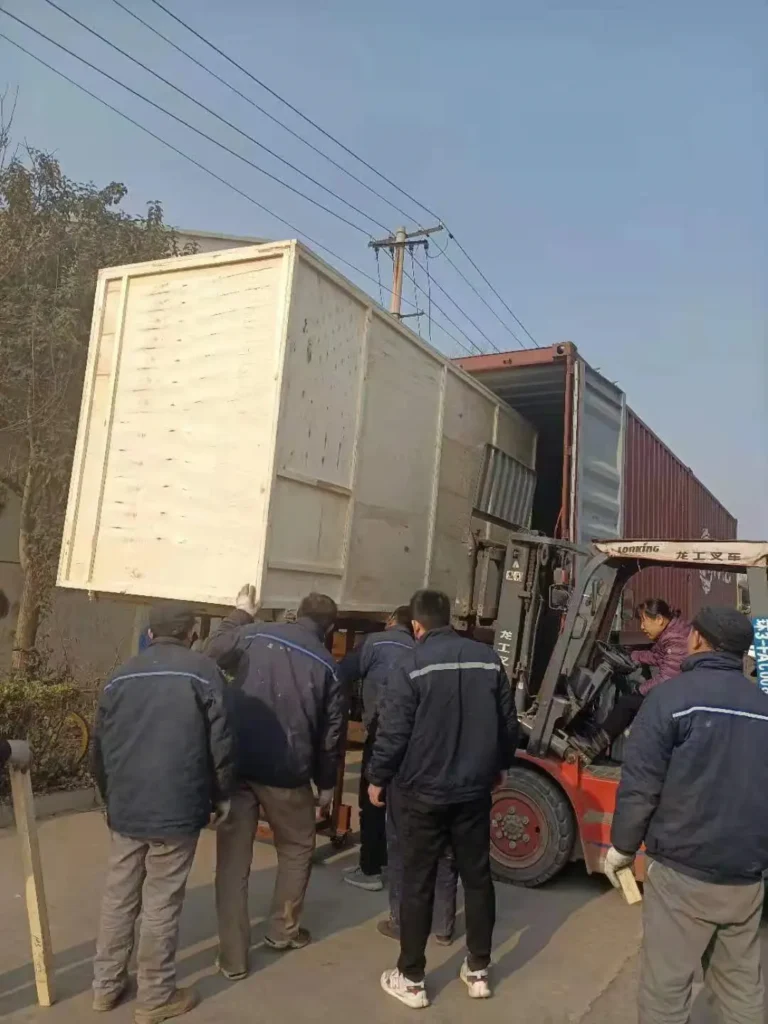
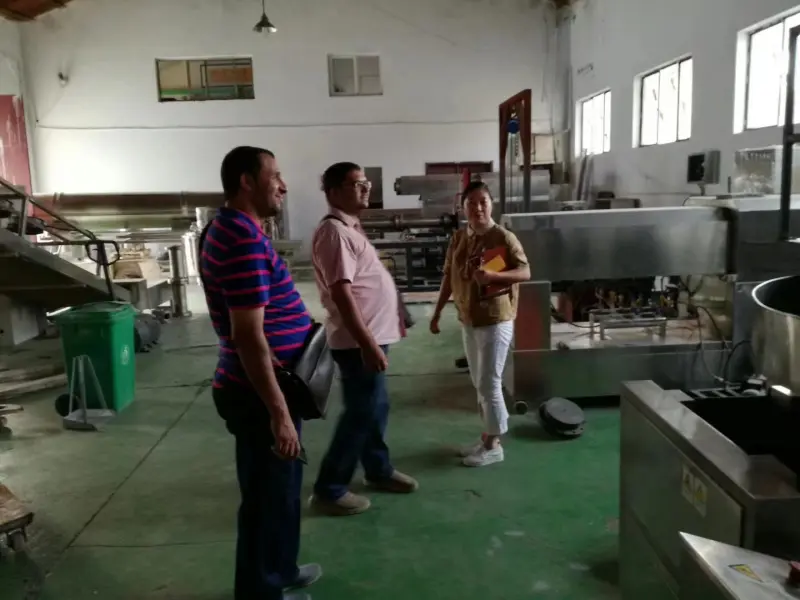
Each Jinan MT Machinery line runs as a complete system before shipment, travels in export wooden crates and is commissioned at your plant by our engineers.
01
02
03

Feed mills adding extruded products use grinding, mixing, conditioning, extrusion, drying and cooling equipment to turn mixed raw materials into expanded pellets. Ingredient quality…
dog food machine · cat food machine
Explore Feed Processing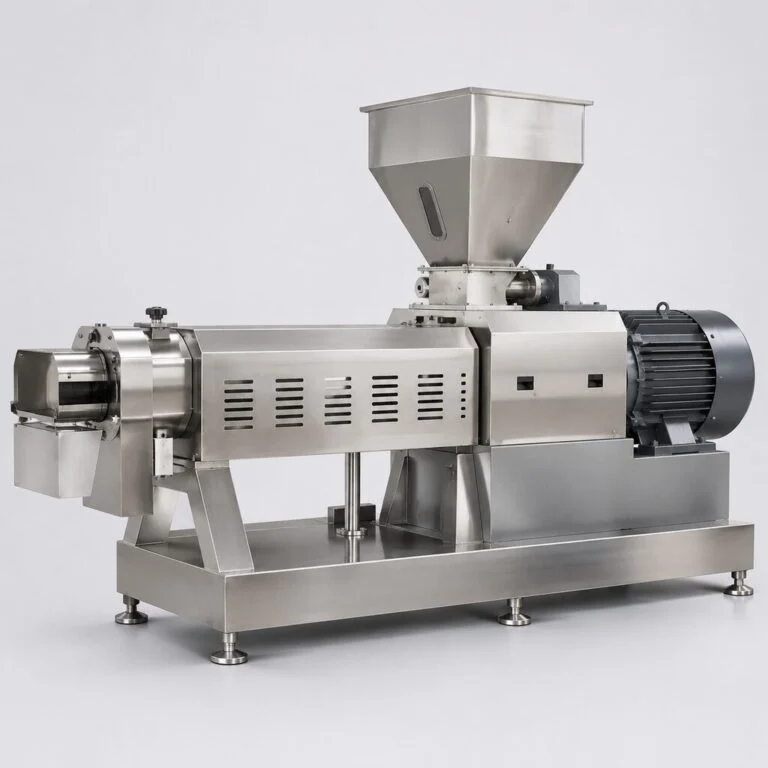
Brands and OEM producers use multi-shape dies, cutting systems and color dosing on the extrusion line to make kibble in distinctive shapes and color…
dog food machine · cat food machine
Explore Multi-Shape, Multi-Color Kibble
Pet food plants run complete extrusion lines from grinding, mixing and conditioning through twin screw extrusion, multi-layer drying, vacuum coating, flavoring, cooling and packaging.…
dog food machine · cat food machine
Explore Pet Food Manufacturing
Dry cat food lines form very small kibble through fine die openings, then dry, coat, flavor and cool it without breaking the pieces. Small…
cat food machine
Explore Small Dry Cat Kibble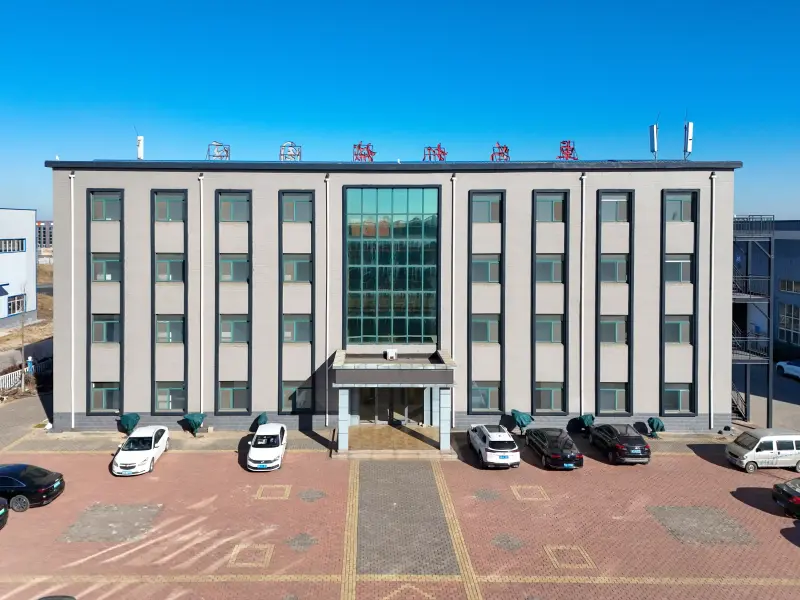
Jinan MT Machinery has built twin screw extrusion equipment since 2013 and exports to pet food plants, brand owners, OEM producers and feed mills in more than 60 countries.

News & Cases · Nov 4, 2026
A successful fish feed to pet food conversion demands a complete turnkey line with precise drying and uniform fat coating, not just a standalone…

Industry News · Nov 4, 2026
Navigating pet food extrusion trends requires mastering twin-screw shear dynamics for high-moisture fresh meat and strict moisture control for alternative starches to prevent batch…

Technical Resources · Nov 3, 2026
Optimize pet food mash preconditioning to solve common extrusion issues like hard kibble and poor pellet durability. Precisely balancing steam, water addition, and retention…
Buyer Questions
These answers cover recipe trials, delivery, payment and after-sales support for Dog Food Pellet Processing Machine Production Line.
Yes. You can visit our factory and run a trial with your own raw materials before you sign. We also carry out recipe tests, so formula fit is checked before production begins.
Common standard models are in stock and delivered within 10 days. Custom solutions take 30–50 working days. We also help arrange export logistics.
We accept T/T, L/C (usually at sight) and Alibaba Trade Assurance. PayPal is available for small orders and Western Union for sample orders. D/P and D/A are considered only for long-term customers with good credit.
Every machine has a 12-month warranty. Spare parts ship with priority at cost price, and supply continues for more than 10 years. Remote support by video, WhatsApp and email is available for life.
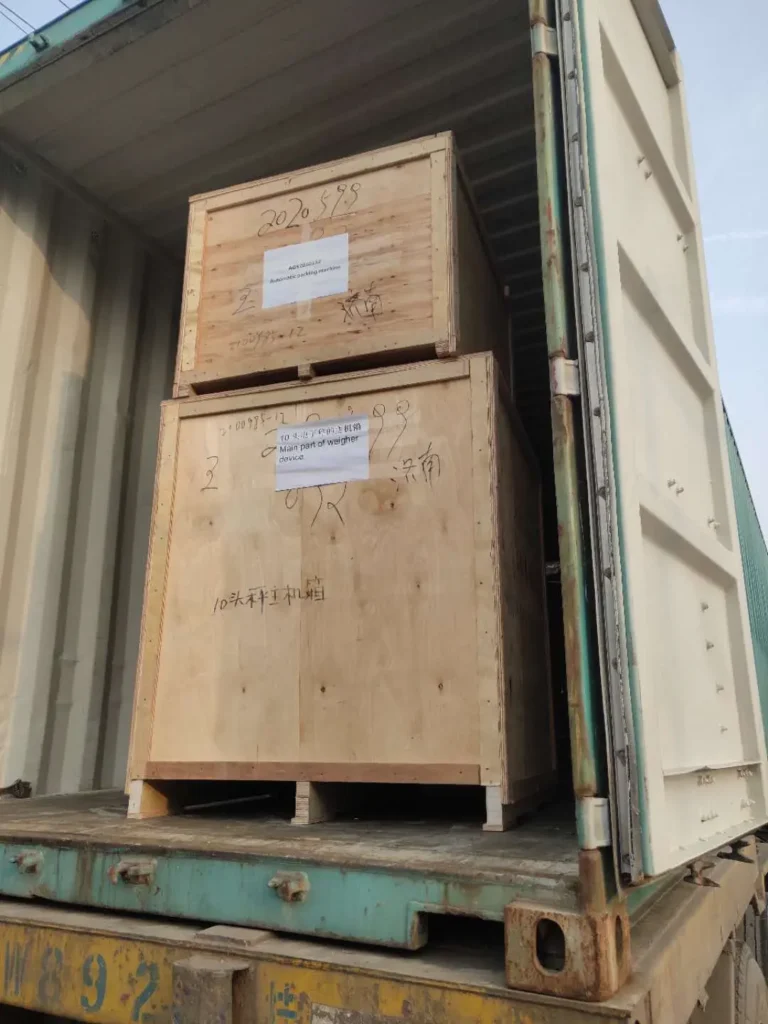
Packed for international transport. Tell us if you need custom labels, marks or packing.
Tell us your port or delivery address and we will quote the freight and lead time for your order.
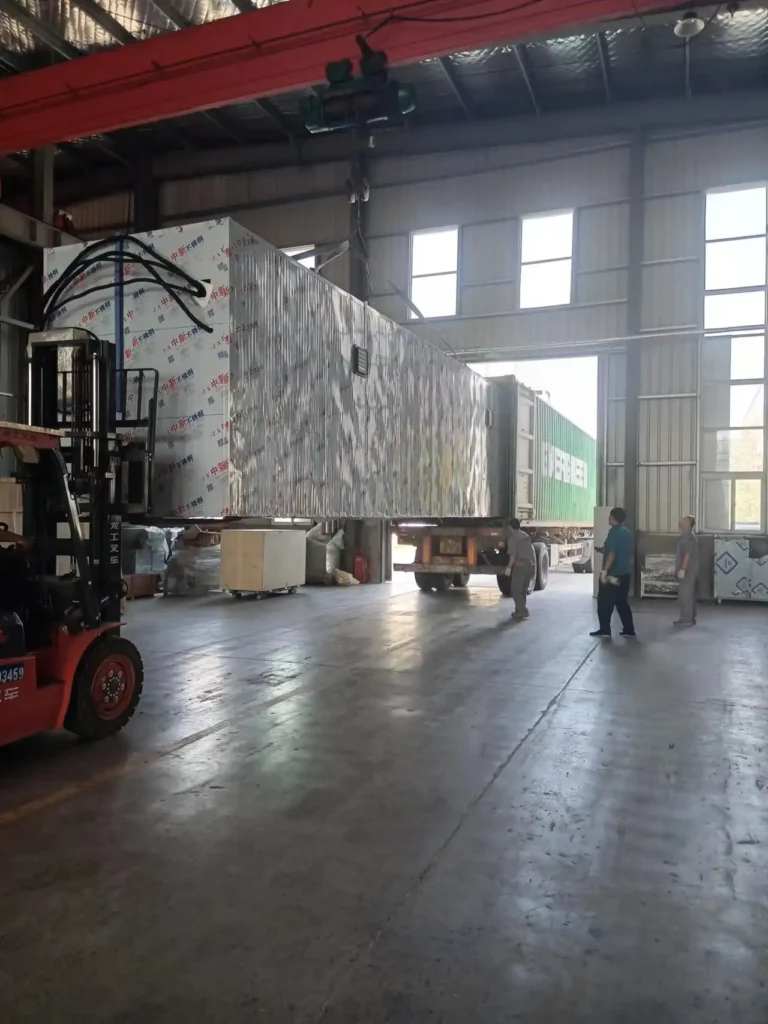
Commercial invoice and packing list come with every shipment; ask us for any other documents your customs needs.
“High meat and high oil formulas at 35% fat extrude stably on the twin screw. Our single screw line could not do it at all.”
“Dog and cat kibble in six shapes and three colours from one line, with changeover under an hour.”
“Vacuum coating puts the oil inside the kibble, no oily surface in the bag. Our retail clients stopped complaining.”

Project Inquiry
We reply within 24 hours. Tell us your product, output, raw materials, local voltage and heat source, and we will prepare a free process plan, CAD and 3D layout, and itemized technical quotation.
"We compared four suppliers. Only this factory let us run our own recipe on their line before ordering."