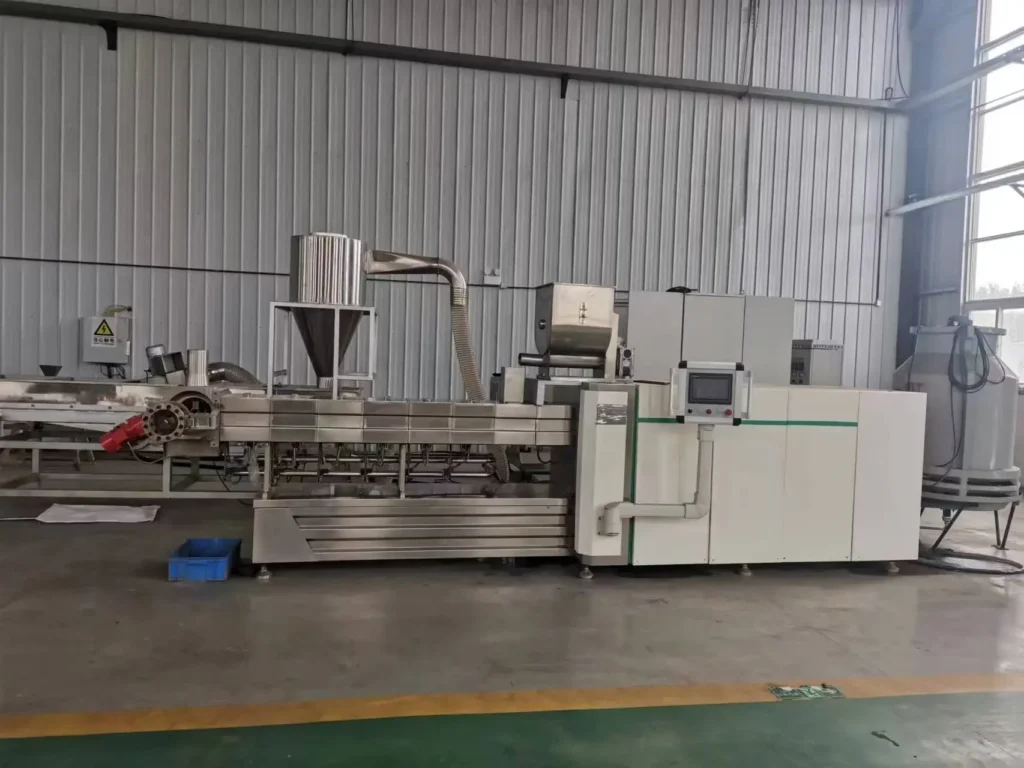
Most buyers think checking the showroom is enough; the real test is inspecting the raw material warehouse and spare parts inventory.
A successful pet food machine factory visit requires targeted pre-visit document preparation, on-site verification of turnkey capabilities, and strict post-visit contract clauses to mitigate procurement risks.
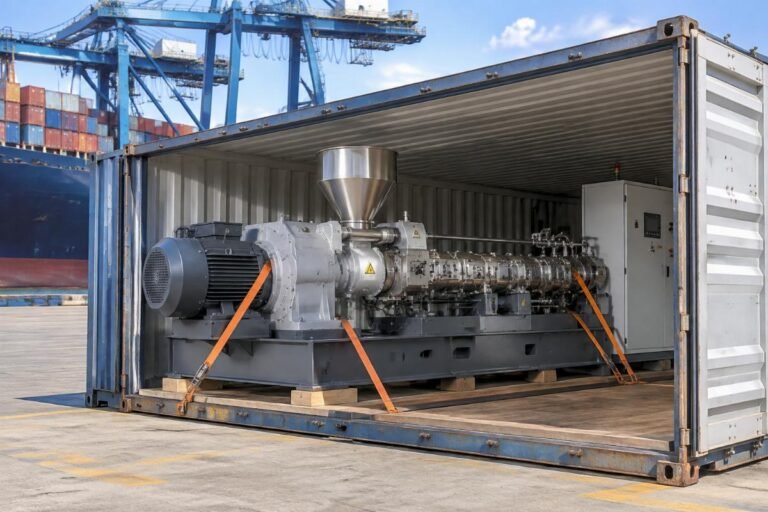
Back when I handled shipping documents in Shenzhen, I arranged a container for a Middle East client carrying a twin-screw extruder line. During consolidation, we missed the packing list for the ring dies and spare parts. When the shipment hit Jebel Ali port, customs held the cargo. Demurrage fees climbed daily, eventually costing several times the initial savings. We had to re-notarize the documents to clear the goods. Later, moving into trade, I realized every procurement pitfall I document comes from hard-learned lessons. Verifying a supplier is not just about looking at shiny machines; it is about checking export records and container loading practices.
Let us break down how to navigate this process without falling into the same traps.
What should you prepare before the factory visit?
You must align your capacity needs with their turnkey design capabilities and prepare a strict document checklist.
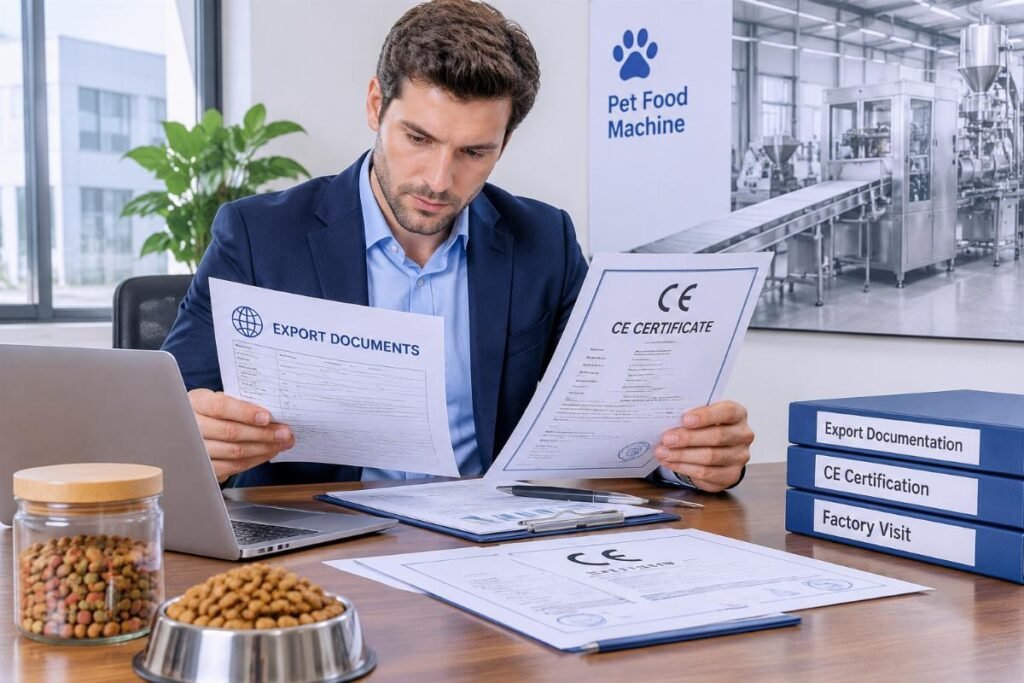
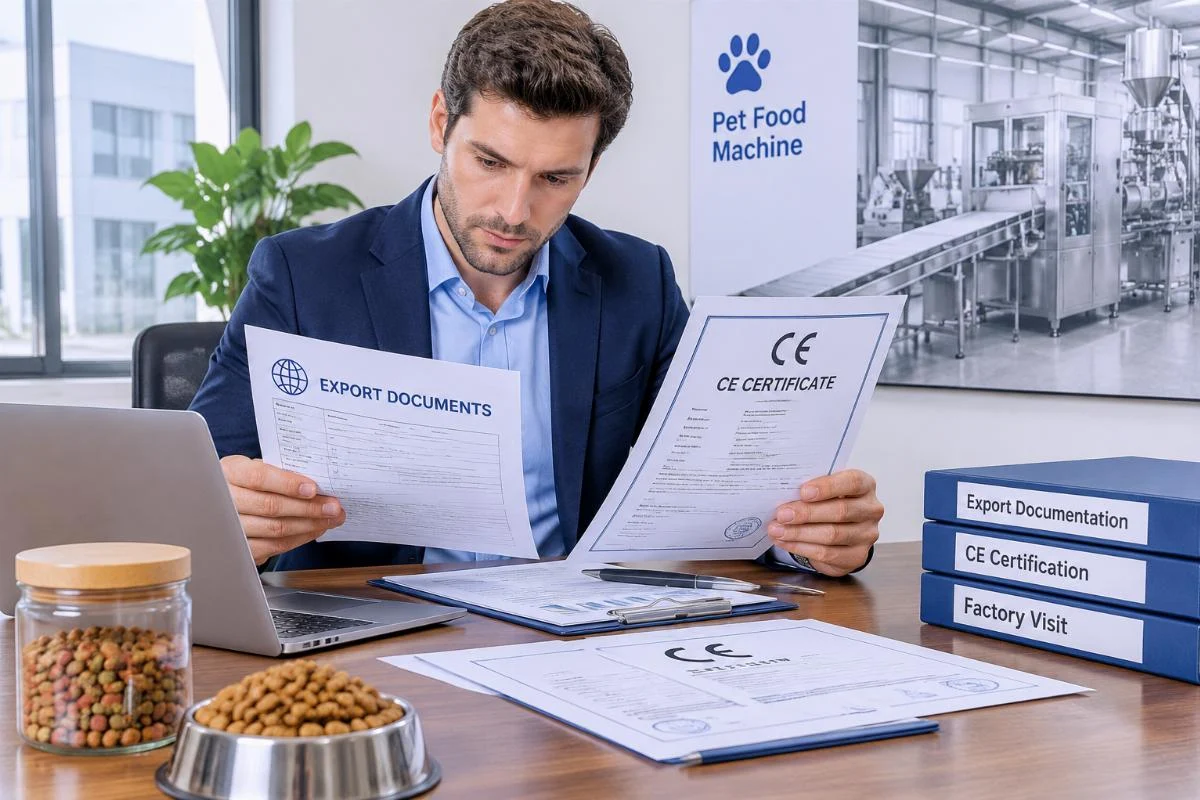
Before stepping onto the production floor, you need to verify their legal and operational baseline. Many startups focus purely on machine specs, but the true value lies in evaluating the supplier’s export compliance and historical performance. Request their CE and ISO certifications, but more importantly, ask for past export records. A reliable partner should easily provide container loading documents proving they have shipped to multiple regions across the globe.
When I audit a potential partner, I look for evidence of international food safety standards compliance. If they claim to serve the global market, their paperwork should reflect exports to dozens of countries, not just domestic sales.
Consider a case where a startup owner in Latin America planned a pet food machine factory visit. They only asked to see the final assembly area. Upon arrival, they realized the supplier lacked proper export packaging standards, leading to moisture damage during transit. By preparing a checklist that includes verifying 3-A sanitary standards and reviewing past shipping manifests, you avoid such surprises.
Risk Checklist for Pre-Visit Preparation:
- Verify CE and ISO quality management system certificates.
- Request container loading docs and export history to multiple regions.
- Confirm their ability to provide integrated drying and coating system designs.
- Check if they offer formula development support for new product startups.
What must you inspect on the production floor?
Focus on the machining precision of twin-screw extruders, food-grade material welding, and spare parts stock.
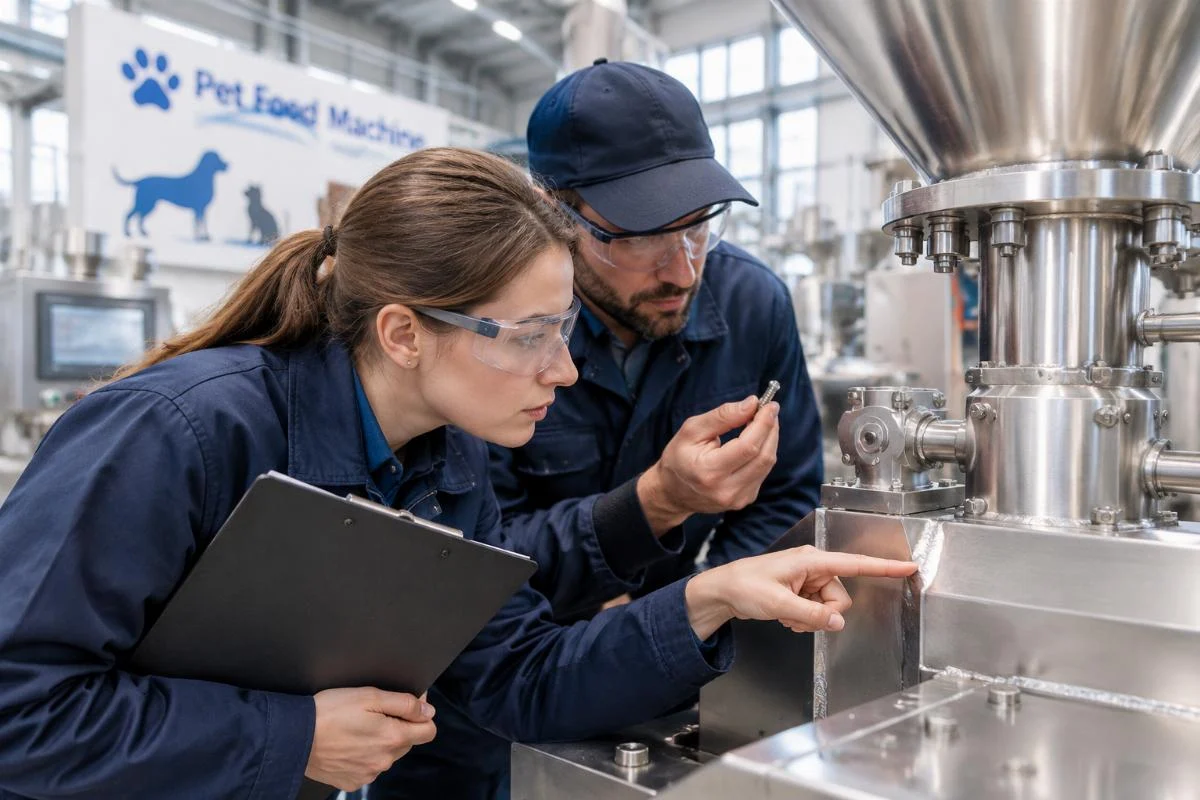
Walking through the workshop, your eyes should immediately go to the welding quality of the food-grade 304 and 316 stainless steel components. Poor welding leads to bacterial harborage, which is a disaster for pet food safety.
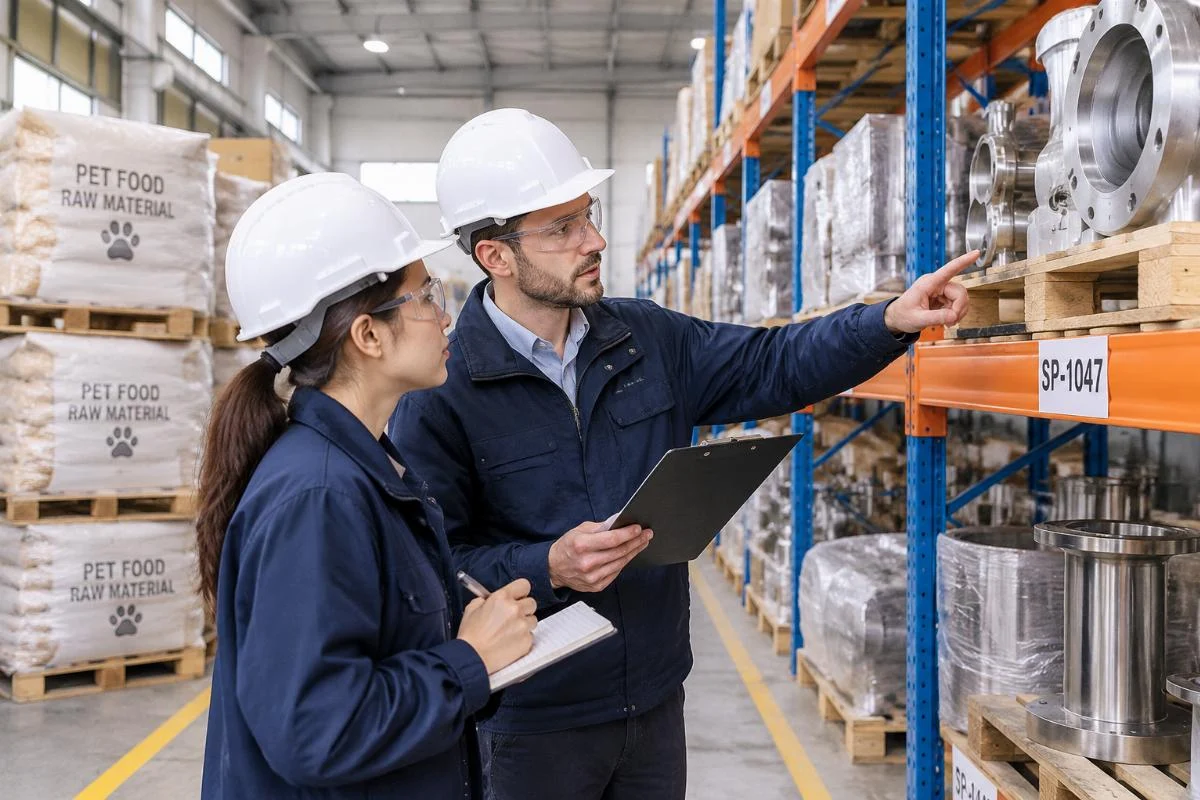
During a pet food machine factory visit, do not just watch the machines run; inspect the screw element configuration and the barrel lining. I once accompanied a contract manufacturer from Southeast Asia. They were impressed by the DS-series twin-screw extruders running smoothly. However, I guided them to the spare parts warehouse. Seeing a robust inventory of ring dies and wearing parts gave them the confidence that the supplier could support long-term operations without supply chain interruptions.
You must also evaluate the integrated systems. A standalone extruder is useless if the drying and flavor-coating systems are mismatched. Watch a live raw material trial. Observe how the equipment handles moisture control and capacity ranges, from small-batch testing to full-scale production.
On-Site Inspection Focus Areas:
- Examine 304/316 stainless steel welding for smooth, crevice-free finishes.
- Inspect screw element configuration and barrel material hardness.
- Verify the inventory depth of critical spare parts like ring dies.
- Observe a live trial to test moisture control and capacity stability.
How to evaluate their R&D and turnkey service?
Assess their formula development support and integrated systems rather than just standalone machines.
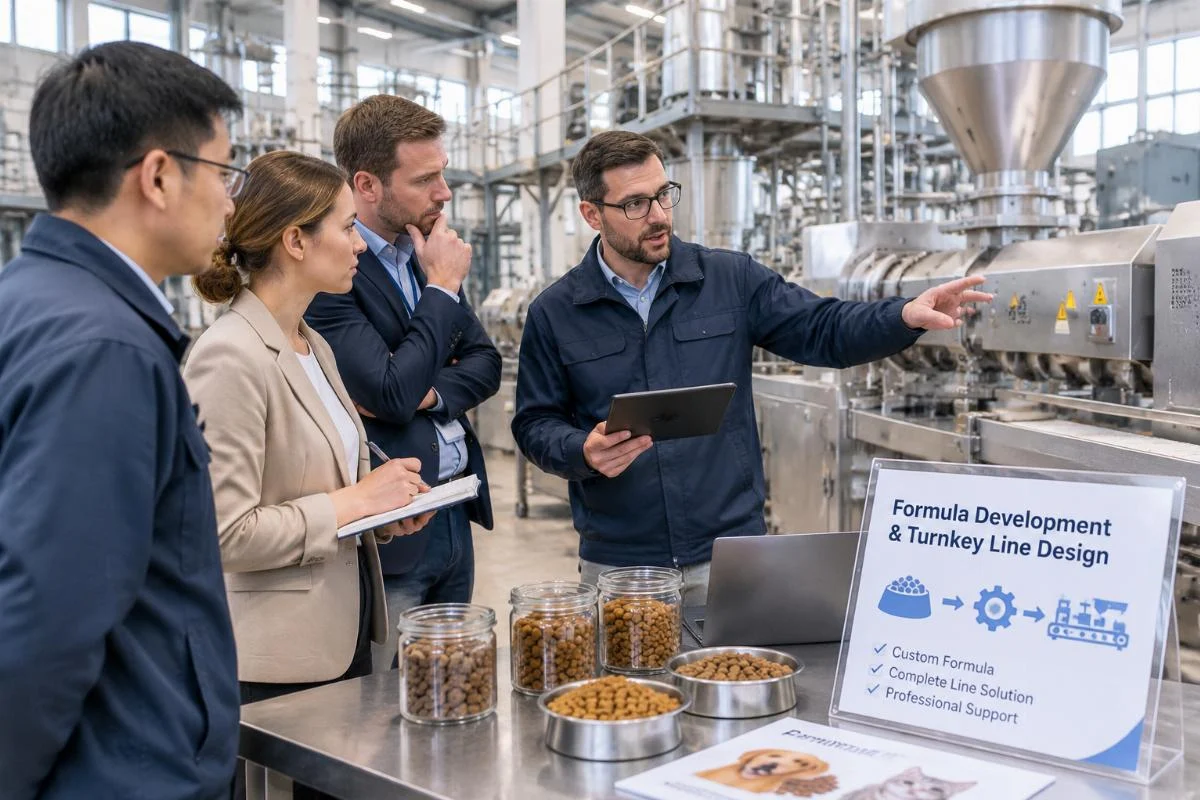
A true turnkey solution means the supplier takes responsibility from raw material intake to the final packaged product. Many manufacturers can bolt together a mixer and an extruder, but few can engineer a cohesive line that ensures consistent kibble density and coating adherence.
During a pet food machine factory visit, sit down with their R&D team. Discuss your specific requirements, whether you are launching a high-meat inclusion dry pet food line or a textured vegetable protein project. A competent supplier will ask detailed questions about your target market and nutritional goals, rather than just pushing their largest DS95 or DS135 models.
I recall a European client who needed a line for a novel protein source. The supplier they initially considered just offered a standard single-screw setup. During our pet food machine factory visit to a more specialized manufacturer, the engineers immediately suggested a twin-screw configuration with specific barrel temperature profiling to handle the unique hydration properties of the new ingredient. This level of technical engagement is what separates a box-mover from a true partner.
Turnkey Service Evaluation Criteria:
- Evaluate their ability to design lines from raw material intake to packaging.
- Assess their formula R&D support for new product startups.
- Check the integration of drying, cooling, and flavor-coating systems.
- Verify their experience with diverse applications like aquaculture feed or plant-based proteins.
How to finalize contracts after the visit?
Lock in installation, commissioning, and training terms to avoid hidden costs and customs clearance delays.
The handshake on the factory floor is just the beginning. The contract is where you protect your investment. Vague terms regarding on-site commissioning can lead to massive financial bleed. If the supplier’s engineers are delayed at customs because their visa documents were not prepared correctly, your production launch stalls, and your overhead costs multiply.
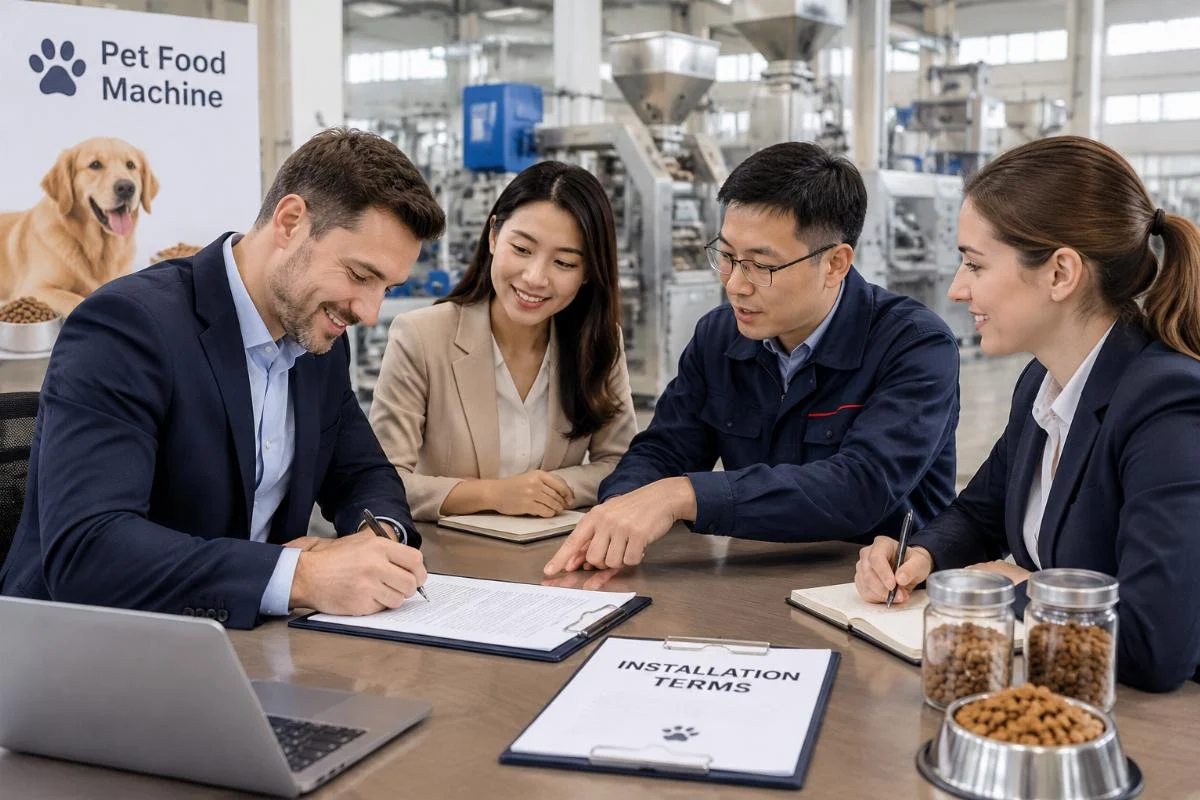
Always define the scope of installation and operator training. Specify the exact duration for on-site commissioning. Ensure the contract includes clauses for remote diagnostic assistance and multi-language technical support.
A US buyer once faced a situation where the supplier’s technicians arrived, but the local electrical standards did not match the machine’s control panels. The retrofit took weeks. To prevent this, your contract must mandate that the supplier verifies all local utility requirements before shipping. Furthermore, ensure that the export documentation, including comprehensive spare parts lists, is explicitly tied to the final payment release.
Post-Visit Contract Essentials:
- Define the exact scope and timeline for on-site installation and commissioning.
- Mandate operator training protocols and multi-language technical support.
- Include clauses for remote diagnostic assistance and spare parts supply.
- Tie final payments to successful commissioning and correct customs documentation.
Conclusion
A meticulous approach transforms a simple factory tour into a strategic procurement advantage.
By preparing rigorous document checklists, inspecting welding and spare parts on the floor, evaluating turnkey R&D capabilities, and locking down precise installation clauses, you secure a reliable partnership. A well-executed pet food machine factory visit ensures your production line meets both operational demands and international safety standards, safeguarding your investment from the very first container load.
Machines Mentioned in This Article

cat food machine
Pet Dog Food Extruder Manufacturer Production Line
View Machine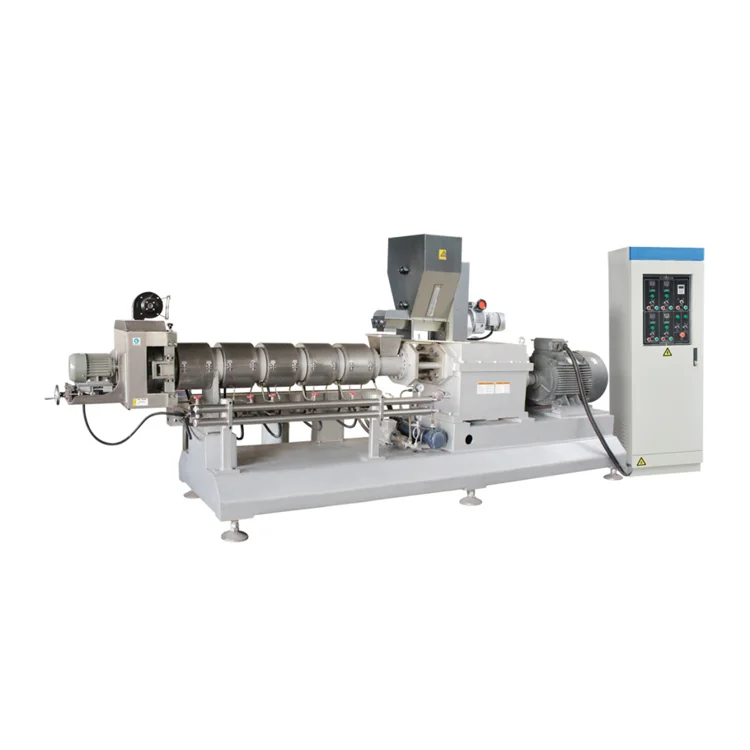
cat food machine
Pet Food Pellet Extruder Machine Manufacturer for Dog Cat
View Machine
cat food machine
Pet Food Extruder Machine Manufacturer Production Line
View Machine
cat food machine