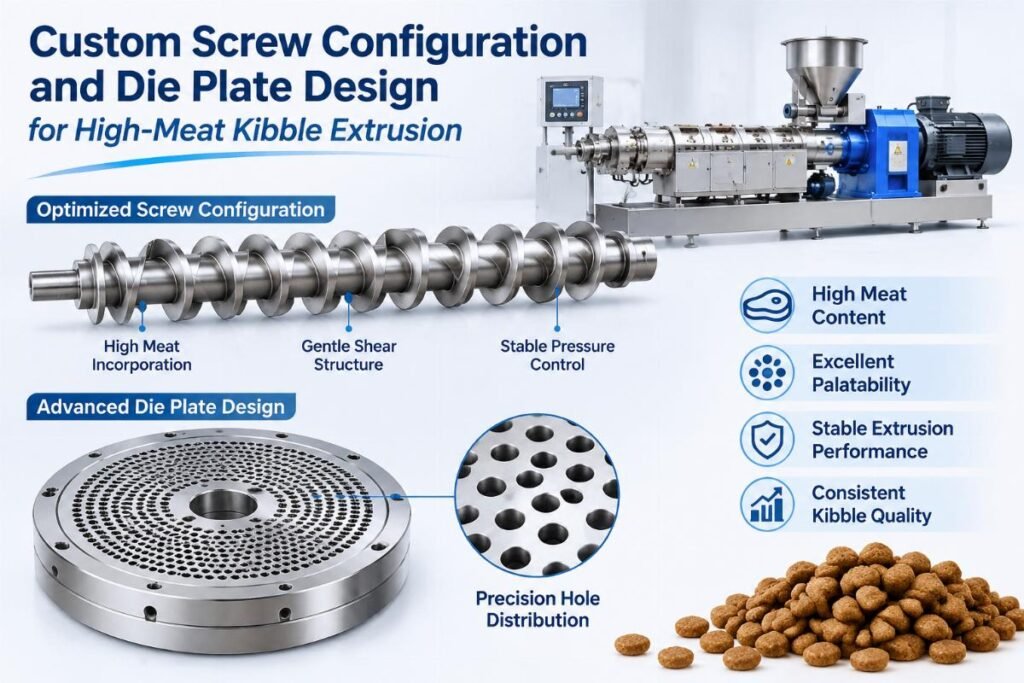
Higher hourly capacity does not guarantee better return on investment when processing high-meat recipes.
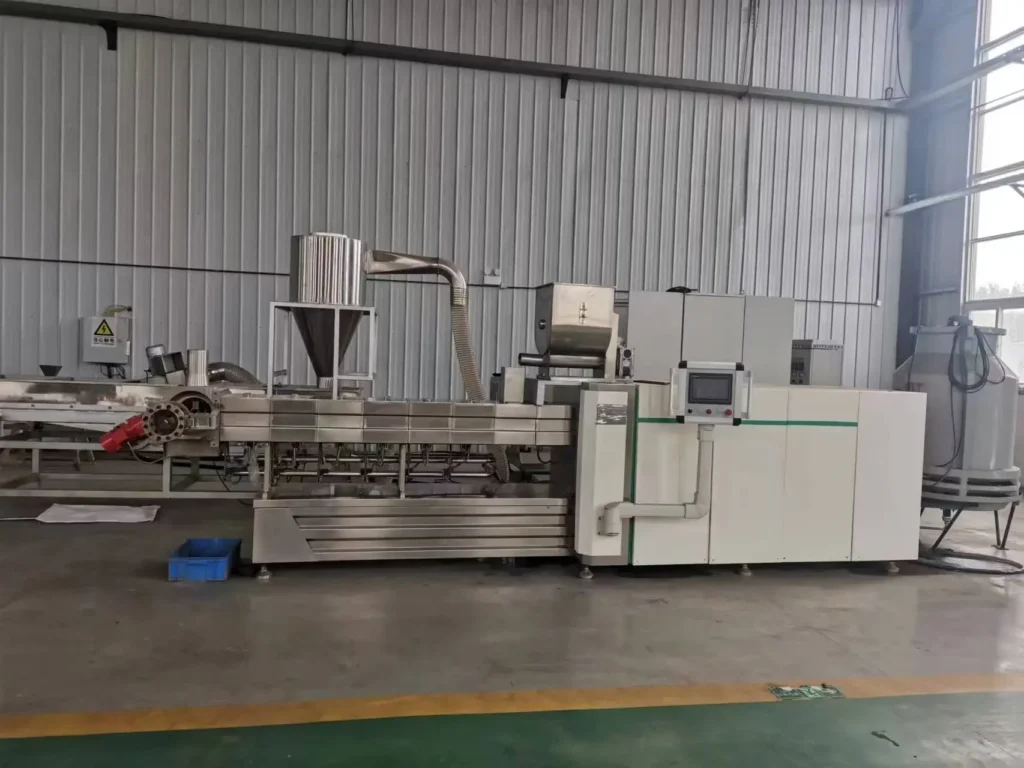
Commercial kibble output relies entirely on matching the DS85 Twin-Screw Extruder screw configurations and die designs to specific high-meat formulas, rather than just focusing on theoretical hourly capacity.
At a major pet food trade show in Chicago, a North American buyer was highly impressed by the throughput of our equipment and immediately ordered a high-meat dog food extrusion line. We did not dig deep enough into their local formula, which contained unusually high fat ratios, and shipped the machine with a standard screw configuration. Once the machine started, the high fat content caused severe material slippage inside the barrel. The gelatinization degree was completely inadequate, and the kibble powdering rate exceeded acceptable limits overnight. The client sent an angry email demanding a solution. Over the years of attending trade shows across multiple regions, I have seen this exact scenario play out too many times. Selecting the right machine cannot rely solely on capacity parameters; the screw combination and die plate hole diameter must be rigorously matched to the specific recipe.
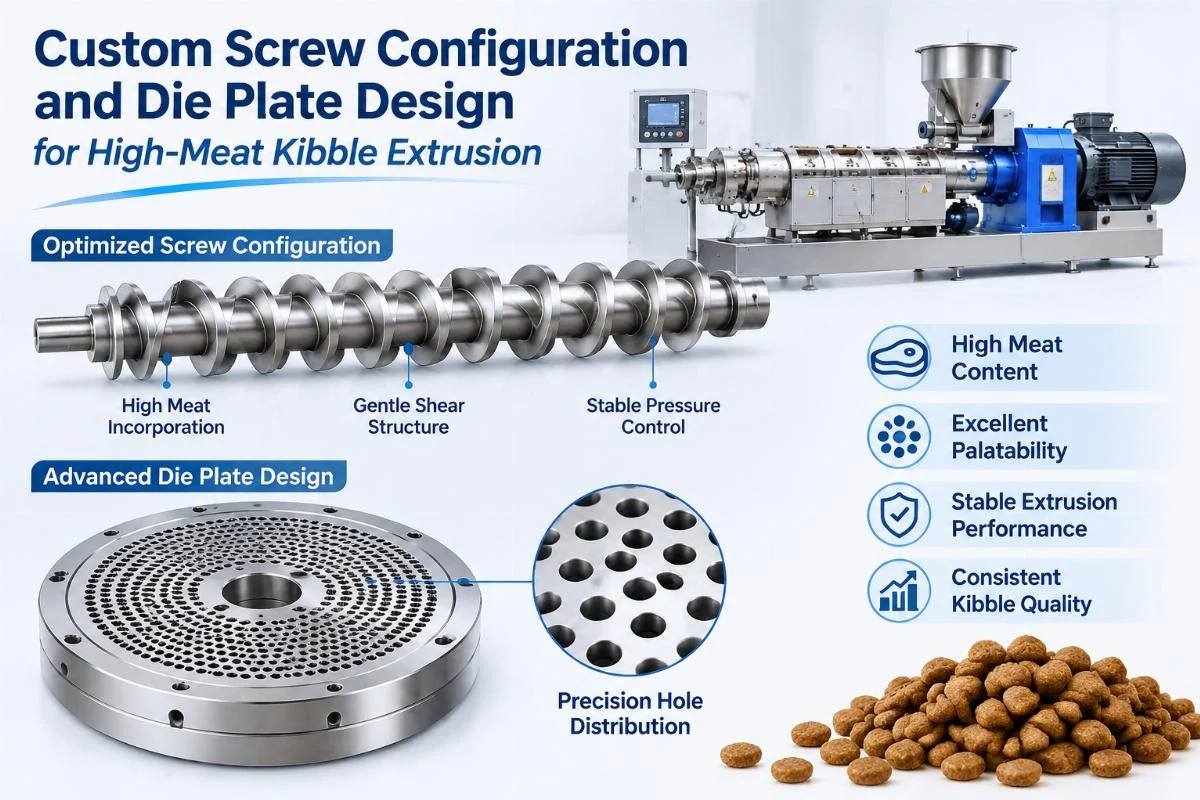
This harsh lesson highlights a fundamental reality in pet food manufacturing: the hardware is only as good as its mechanical alignment with the biological ingredients.
Why Standard Extruders Fail on High-Meat Kibble Formulas?
Standard screw elements simply cannot handle the lubricating effect of high fat ratios, leading to massive material slippage and severe rework costs.
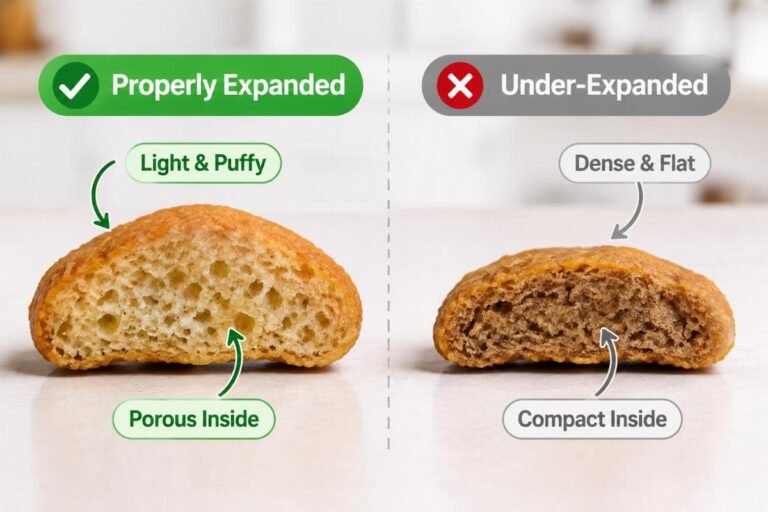
The trend in the pet food industry has heavily shifted toward high-meat and high-fat diets. However, many manufacturers assume that standard screw profiles can handle all recipes. In reality, high-meat diets require custom shear and compression profiles to avoid under-cooking. When fat content rises significantly, the fat acts as a lubricant between the screw flights and the barrel wall. This reduces the friction necessary for proper material conveying and heat generation. Consequently, the residence time distribution becomes highly uneven, and the specific mechanical energy input drops drastically.
I recall a contract manufacturer in Europe who tried to scale up a premium puppy food recipe using a generic twin-screw pet food extruder DS85 setup without adjusting the screw elements. The result was a catastrophic failure in product durability. The kibble looked fine on the outside, but the internal gelatinization rate was practically non-existent. When the kibble hit the drying phase, it shattered into dust. The majority of the batch had to be discarded, resulting in a mid-six-figure loss. They later realized that matching the screw elements to the high-fat ratios is mandatory to prevent slippage and ensure proper cooking.
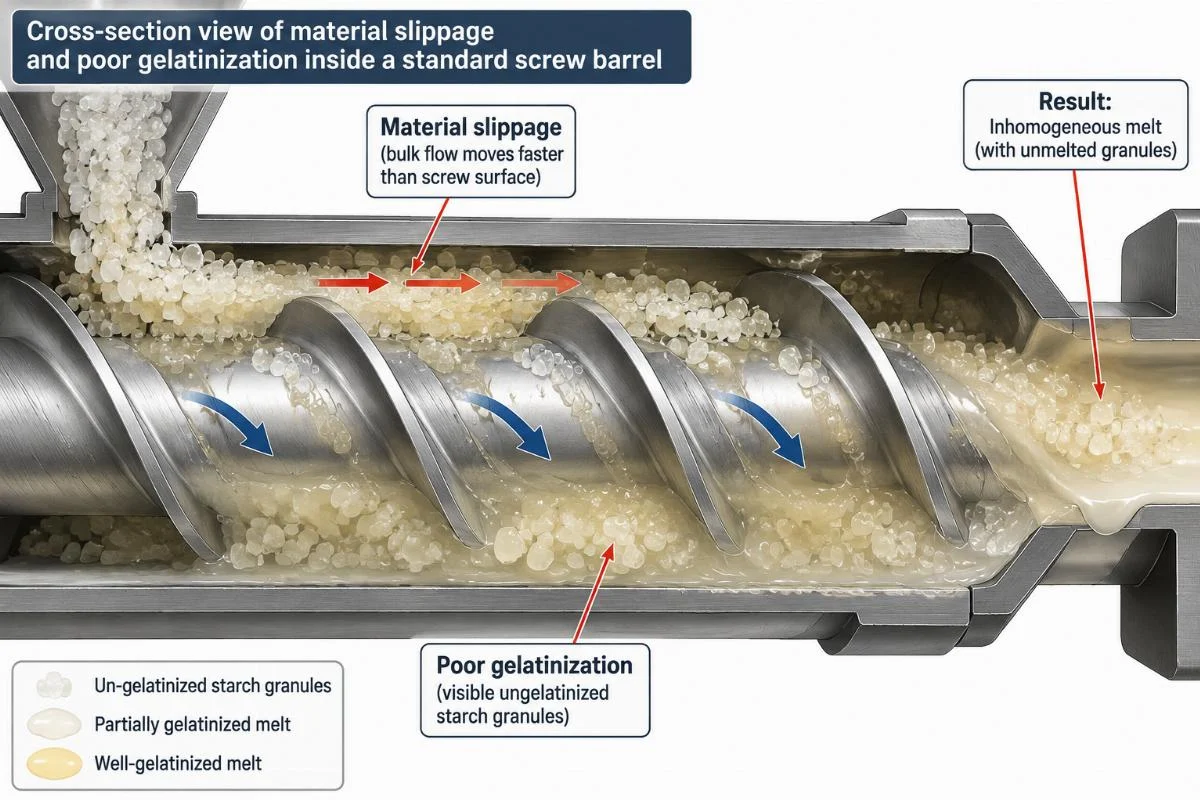
The insight here is clear: ignoring the rheological changes caused by high fat content will always lead to massive waste, regardless of how powerful the main motor is.
What Are the Core Features of the DS85 for Commercial Output?
Modular screw design and precise temperature control are the true drivers of consistent kibble density and durability, not just raw motor power.
When evaluating commercial kibble extruder features, buyers often fixate on the main motor size. However, the actual quality of the kibble is dictated by the mechanical flexibility of the barrel and the precision of the thermal management. The DS85 Twin-Screw Extruder utilizes a fully modular screw design. This allows operators to rearrange conveying, kneading, and shear elements along the shaft to create the exact shear force distribution required for a specific formula.
Furthermore, precise temperature control across multiple barrel zones ensures that the thermal profile matches the ingredient’s gelatinization threshold. During a site visit to a startup facility in Southeast Asia, I observed their transition from a fixed-screw machine to our equipment. By customizing the compression profile and utilizing independent zone heating, they achieved a noticeably denser kibble structure. The breakage rate dropped significantly during the cooling phase. This level of control is essential for maintaining product integrity, especially when dealing with sensitive protein structures that can easily denature under uncontrolled friction.
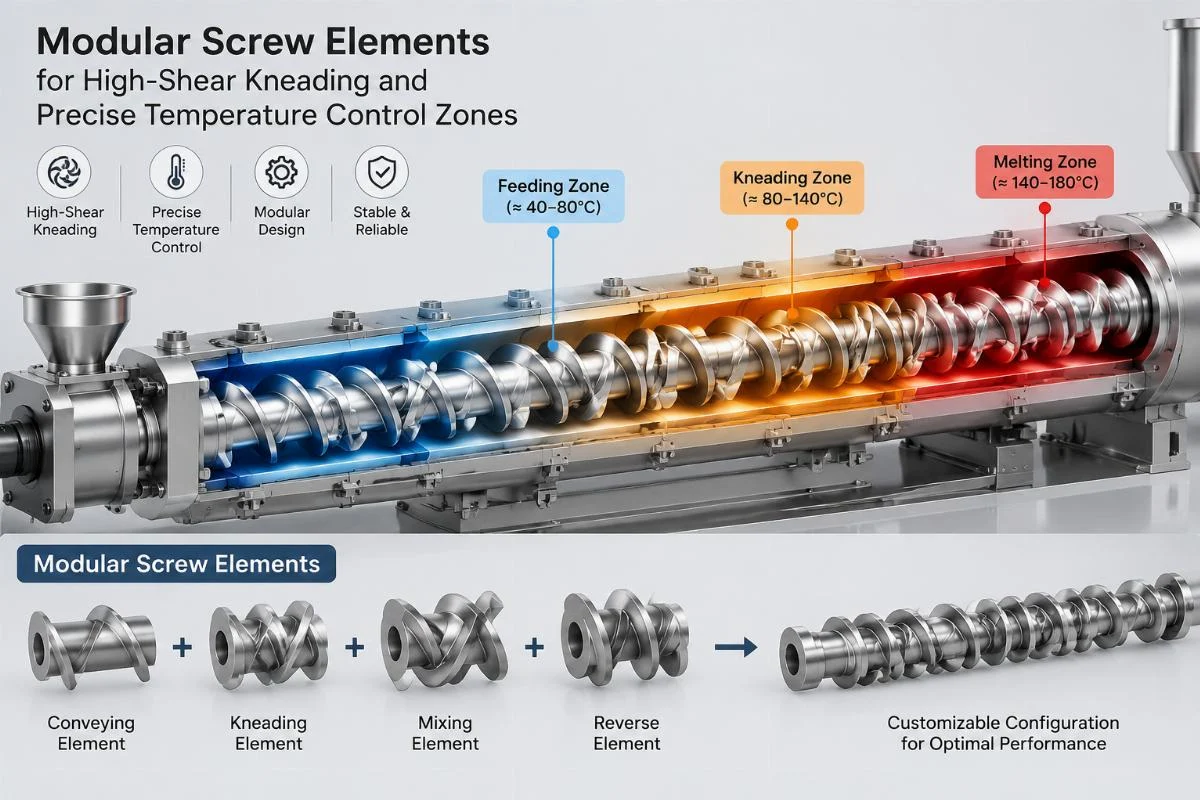
The core takeaway is that mechanical adaptability and thermal precision are what actually secure the structural integrity of the final kibble.
How to Match Die Plates and Screw Configurations to Your Recipe?
Die hole size and compression ratios must be rigorously calculated based on specific meat and fat percentages to control the final powdering rate.
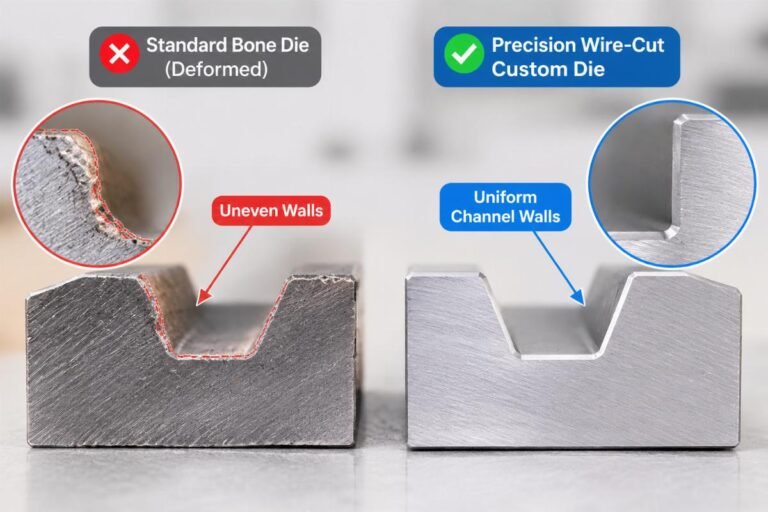
The interface between the screw configuration and the die plate is where the final kibble shape and density are forged. Many operators treat the die plate as an afterthought, simply selecting a hole diameter that matches the desired kibble size. This is a critical mistake. The die plate optimization requires selecting specific hole diameters and length-to-diameter ratios that account for the formula’s viscosity and fat content.
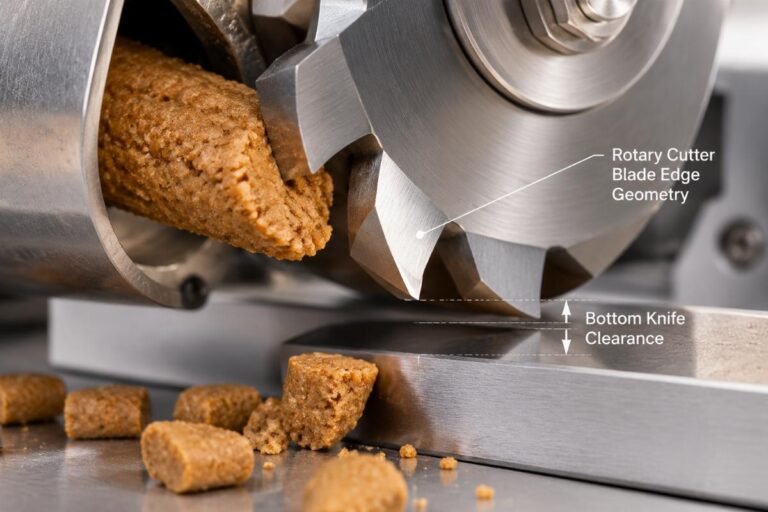
If the die hole is too small or the land length is too excessive for a high-meat formula, the backpressure inside the barrel will spike uncontrollably. This forces the material through the die at an accelerated rate, causing micro-fractures as the kibble exits and rapidly loses moisture. Conversely, if the die is too open, the kibble will lack the necessary expansion and density, leading to poor sink rates or excessive fragility.
A client in Latin America struggled with a severe powdering issue when producing a large-breed dog food. They were using a standard die plate with a high land length. After analyzing their high-meat formula, we recommended a die plate with a modified hole geometry and a reduced compression ratio. The adjustment allowed the material to exit the die smoothly without internal tearing. The powder rate dropped noticeably, and the overall yield improved substantially.
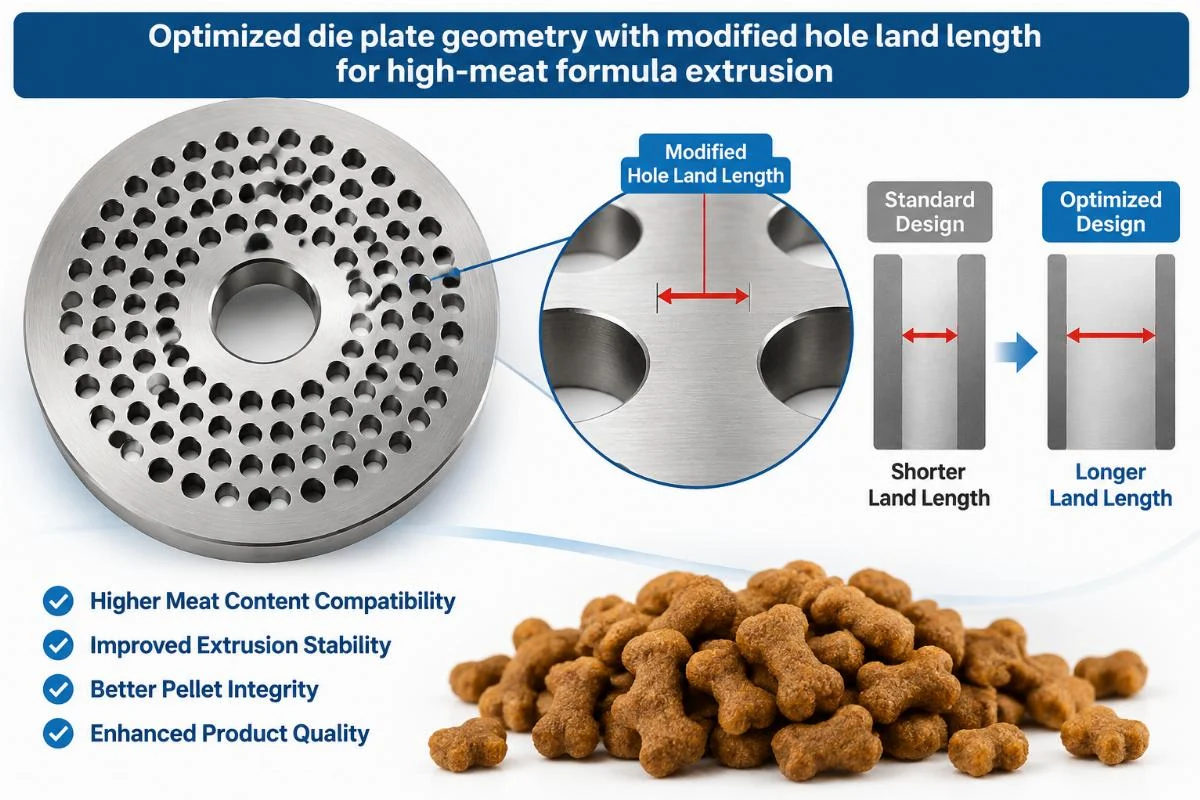
The lesson is that the die plate is not just a shaping tool; it is a critical pressure valve that must be engineered in tandem with the screw profile.
How Does the DS85 Integrate into a Full Turnkey Kibble Line?
Seamless connection with dryers and coaters is mandatory to guarantee final moisture reduction and uniform flavor retention standards.
Extrusion is only the first step in a complex thermal and mechanical journey. The DS85 Twin-Screw Extruder must integrate flawlessly with downstream equipment to ensure the kibble reaches commercial shelf-stability. A common pitfall for new pet food businesses is treating the extruder as an isolated island. In reality, the moisture reduction percentage achieved in the dryer and the coating evenness applied in the coater are directly influenced by the initial kibble density and porosity generated by the extruder.
If the extruder produces kibble with inconsistent density due to poor screw configuration, the dryer will struggle to remove moisture uniformly. Some pieces will remain too wet, inviting mold growth, while others will become overly brittle. Similarly, during the flavor coating phase, uneven porosity leads to patchy fat and palatant absorption.
During a turnkey line integration project for a contract manufacturer in the Middle East, we coordinated the DS85 Twin-Screw Extruder with a multi-pass dryer and a continuous coating drum. By ensuring the extruder produced a highly uniform kibble structure, the downstream systems operated at peak efficiency. The moisture reduction was perfectly consistent, and the coating evenness met the strictest palatability tests. This holistic approach to production line design eliminates the bottlenecks that typically plague fragmented equipment setups.
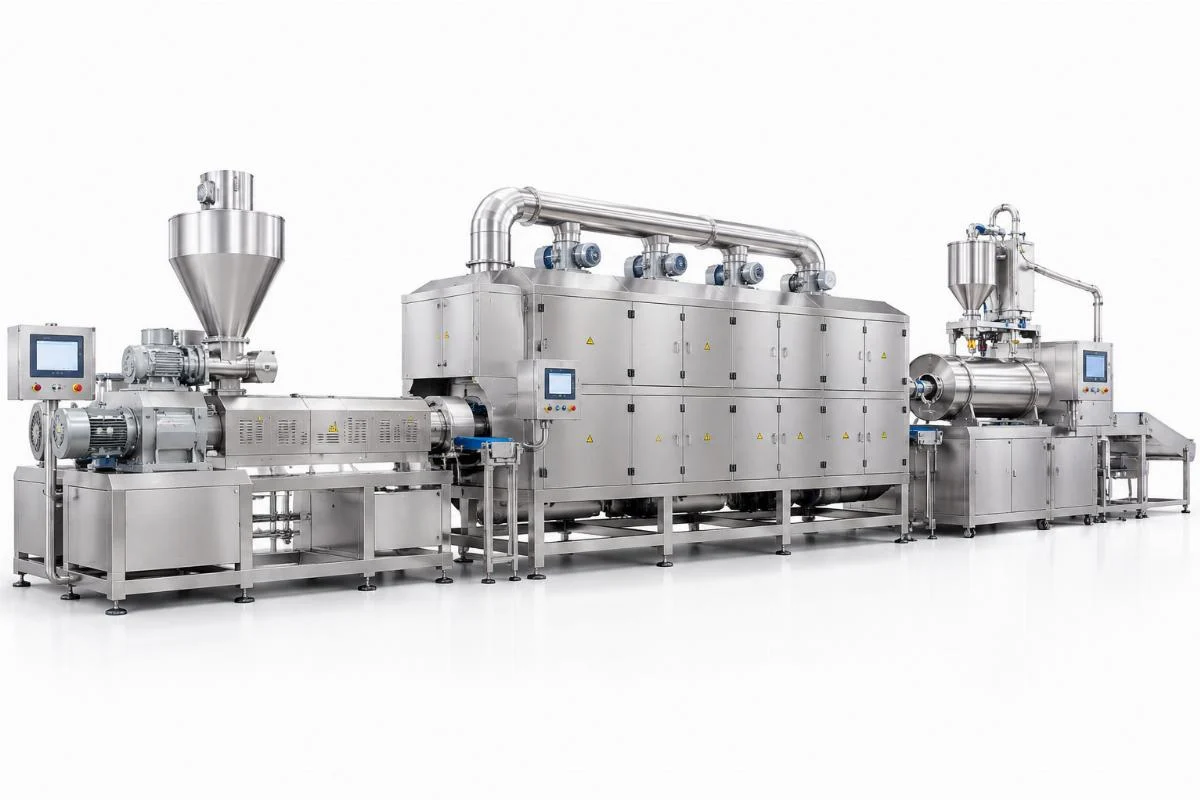
The ultimate insight is that extruder performance dictates the efficiency of the entire downstream thermal and coating process.
Conclusion
Matching mechanical configurations to biological formulas is the only path to commercial viability.
Selecting the DS85 Twin-Screw Extruder is merely the starting point; true success requires aligning modular screw elements and die plate geometries with the specific rheological demands of high-meat recipes. When extrusion mechanics are properly synchronized with downstream drying and coating systems, manufacturers can eliminate severe waste and achieve consistent, high-quality kibble output.
Machines Mentioned in This Article

cat food machine
Pet Food Processing Equipment Plant Manufacturer Dog Food
View Machine
cat food machine
Pet Food Production Line Manufacturer
View Machine
cat food machine
Dog Food Production Line Manufacturer
View Machine
cat food machine