
Bigger extrusion barrels do not guarantee better kibble expansion; in fact, oversized screws frequently ruin the density of small formats.
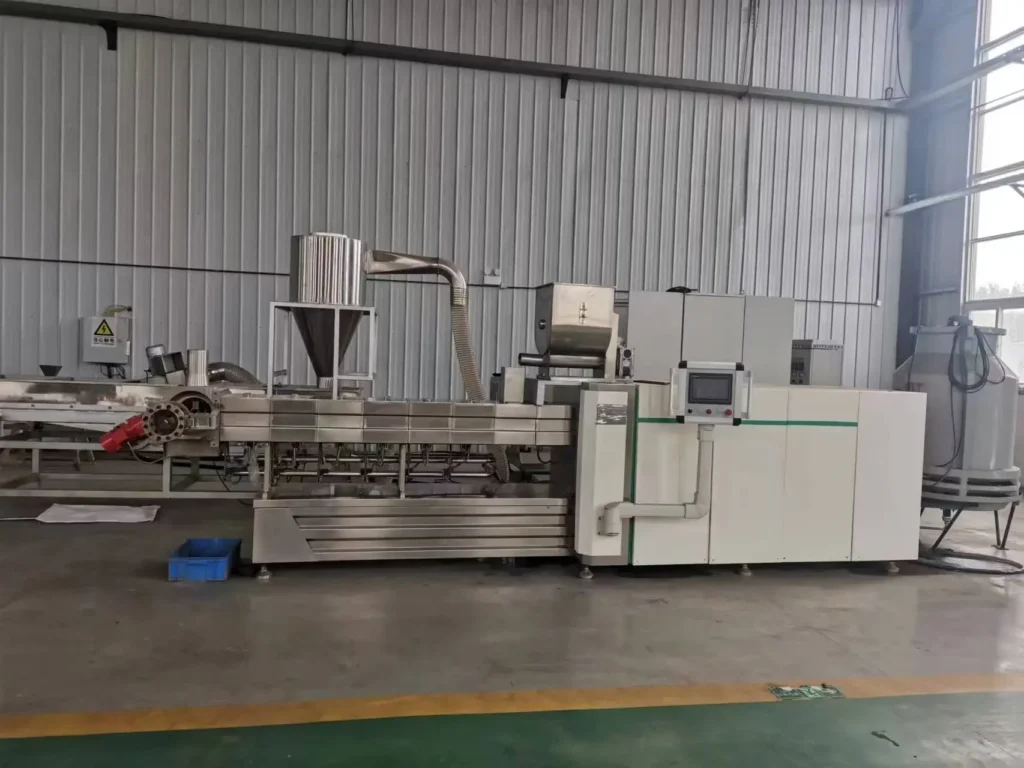
Selecting the right twin-screw extruder for pet food depends strictly on your target kibble size and recipe formulation, not just the advertised hourly capacity. Matching the specific mechanical energy and barrel length-to-diameter ratio to your product dimensions prevents catastrophic crumbling and ensures proper gelatinization.
I still remember a shipment we sent to a Southeast Asian client years ago. They ordered a standard model to produce large-format dog food, but the kibble lacked expansion and crumbled into dust the moment it cooled. The entire line was halted, and we faced a heavy compensation claim. When I flew to their facility to troubleshoot, the root cause was immediately clear: producing large kibble requires a completely different screw profile and temperature zoning than what their machine offered. Since that field inspection, I never recommend a machine based on throughput alone. I always ask for the target particle size and recipe first, then arrange a factory trial. Machine performance is ultimately judged by the kibble cross-section and dust rate, not by a spec sheet.
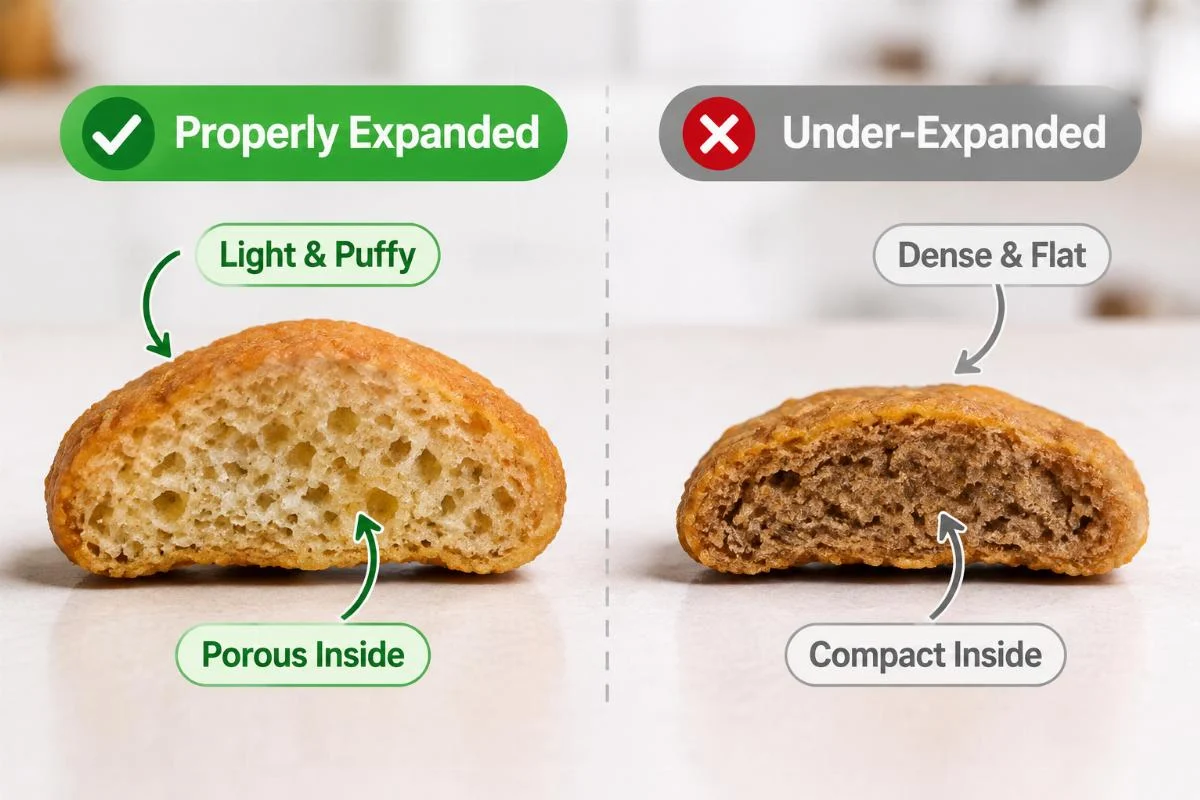
Let us break down how to align your production goals with the correct equipment configuration.
Why Does Kibble Size Dictate Your DS Series Choice?
The physical dimensions of your final kibble strictly determine the required barrel diameter and screw configuration. A common misconception is that a higher-capacity machine can simply run slower to make small kibble, or that a smaller machine can be pushed to make large kibble. Both approaches lead to severe expansion failures.
When producing small to medium kibble, standard configurations provide sufficient shear and heat transfer. However, attempting to push large formats through a restricted barrel results in inadequate pressure buildup at the die face. The dough fails to expand properly upon exiting, leading to dense, hard pellets that eventually crumble during the drying and coating phases.
| Kibble Format | Required Machine Class | Expansion Characteristic | Dust Rate Risk |
|---|---|---|---|
| Small / Medium | Standard Configuration | Optimal shear and uniform puffing | Noticeably reduced |
| Large / Extra Large | Heavy-Duty Configuration | High pressure buildup for massive expansion | Vulnerable if under-powered |
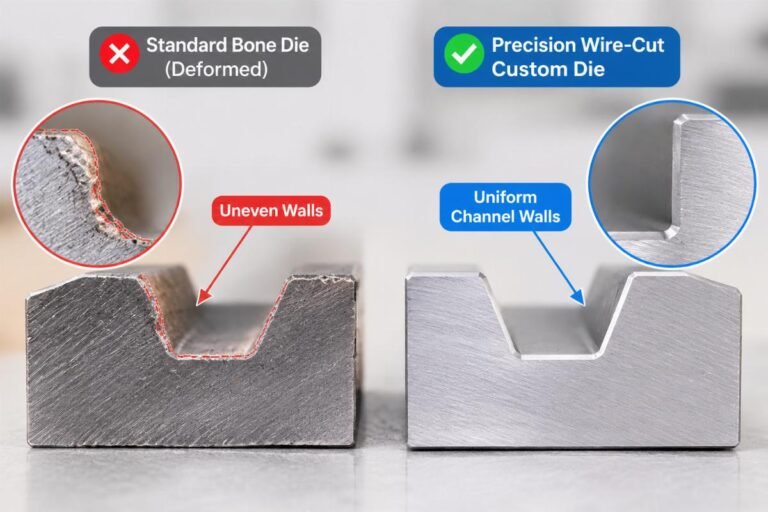
| Irregular Shapes | Custom Die & Screw Match | Complex flow requiring precise temperature control | Uncontrolled without proper tuning |
A European contract manufacturer once tried to scale up their treat line by using a smaller pilot model to produce large bone-shaped chews. The result was a massive bottleneck at the dryer because the core moisture remained trapped, causing mold issues weeks after packaging. Transitioning to a heavy-duty model resolved the pressure deficit instantly.

How Do L/D Ratios Impact Expansion and Density?
The length-to-diameter ratio of the barrel is the primary driver of product density and cooking degree, far outweighing raw motor horsepower.
Specific mechanical energy dictates how well the raw materials are gelatinized and textured. A longer barrel allows for more gradual temperature profiling and extended residence time. This is absolutely critical when processing high-meat formulas. Standard short barrels simply cannot cook high-protein, high-fat recipes thoroughly before the material reaches the die, causing severe blockages and uneven textures.
- Feeding and Mixing Zone: Initial blending of dry and liquid ingredients.
- Compression and Kneading Zone: Building pressure and initiating starch gelatinization.
- Cooking and Metering Zone: Precise temperature control to finalize the dough rheology.
- Discharge Zone: Pressure drop for maximum expansion at the die face.
When a client in Latin America attempted to introduce a premium high-meat recipe on a standard setup, the extruder choked continuously. The fat content lubricated the screws too much, preventing the necessary friction for cooking. By extending the barrel length and adjusting the temperature zones, we restored the required friction and shear, allowing the high-meat dough to cook uniformly without stalling the motor.

What Capacity Range Fits Your Production Stage?
Matching your production stage to the correct capacity range ensures operational efficiency without sacrificing product quality.
Startups and pilot projects require flexibility and lower minimum batch sizes. As a business scales, the focus shifts to continuous throughput and energy efficiency per kilogram. The DS series covers a broad spectrum, ensuring that whether you are testing a new recipe or running a full commercial shift, the mechanical profile remains consistent.
- Pilot & Startup Stage: Ideal for recipe development, market testing, and small-batch premium treats. Allows for rapid parameter adjustments without wasting massive amounts of raw material.
- Commercial Scaling Stage: Designed for continuous, high-volume dry food production. Maintains the exact same shear profile as the pilot models, ensuring the recipe developed in the lab translates perfectly to the mass market.
- Industrial Mass Production: Built for round-the-clock operation with heavy-duty gearboxes and advanced automation, minimizing downtime and ensuring batch-to-batch consistency.
A successful transition from pilot to mass production requires identical shear profiles. We recently assisted a brand moving from a small-batch operation to a full commercial line. By matching the screw geometry and thermal dynamics between their development model and the production model, they eliminated the typical scale-up trial-and-error phase, achieving the exact same kibble density on day one of full production.

How to Validate Machine Performance Before Buying?
Never finalize an equipment purchase without running your actual recipe through the machine to verify cross-section quality and dust rates.
Spec sheets and theoretical calculations cannot account for the unique rheology of your specific formula. The only true validation is a physical factory trial. This process eliminates the guesswork and protects your capital investment from costly post-installation modifications.
- Recipe Submission: Provide your exact raw material list and target kibble specifications.
- Factory Trial: Run the formula on the proposed machine configuration under the supervision of application engineers.
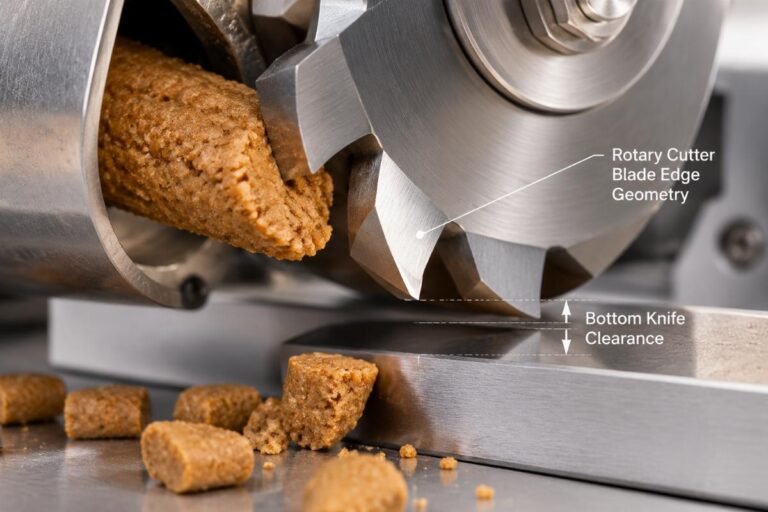
- Cross-Section Analysis: Cut the kibble to inspect the internal pore structure, ensuring no uncooked cores or dense, unexpanded centers.
- Dust Rate Testing: Tumble the cooled kibble to measure the generation of fine particles, which directly impacts your packaging and coating yield.
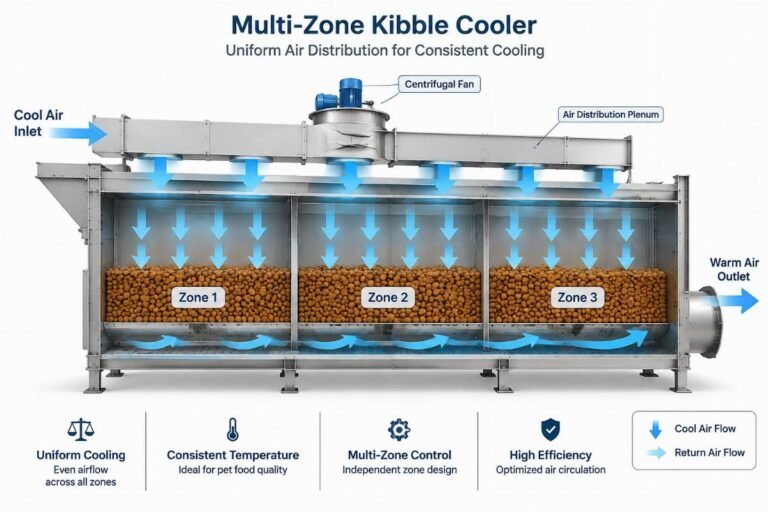
- Line Integration Review: Evaluate how the extruder interacts with the downstream dryer and coater.
At our facility, we mandate this hands-on validation. We do not just run the machine; we analyze the physical output. If the cross-section shows uneven gelatinization or the dust rate is unacceptably high, we adjust the screw elements and temperature profiles on the spot until the product is perfect. This turnkey approach, from formula development to final line design, ensures that the equipment you buy is genuinely capable of producing your specific product at the highest standard.

Conclusion
Equipment selection must be driven by product physics, not just throughput metrics. Aligning the barrel configuration and thermal profiling with your specific kibble size and recipe guarantees proper expansion, minimizes waste, and ensures a smooth transition from pilot testing to full-scale commercial manufacturing.
Machines Mentioned in This Article

cat food machine
Pet Food Processing Equipment Plant Manufacturer Dog Food
View Machine
cat food machine
Pet Food Production Line Manufacturer
View Machine
cat food machine
Dog Food Processing Equipment Manufacturer Pet Food
View Machine
cat food machine