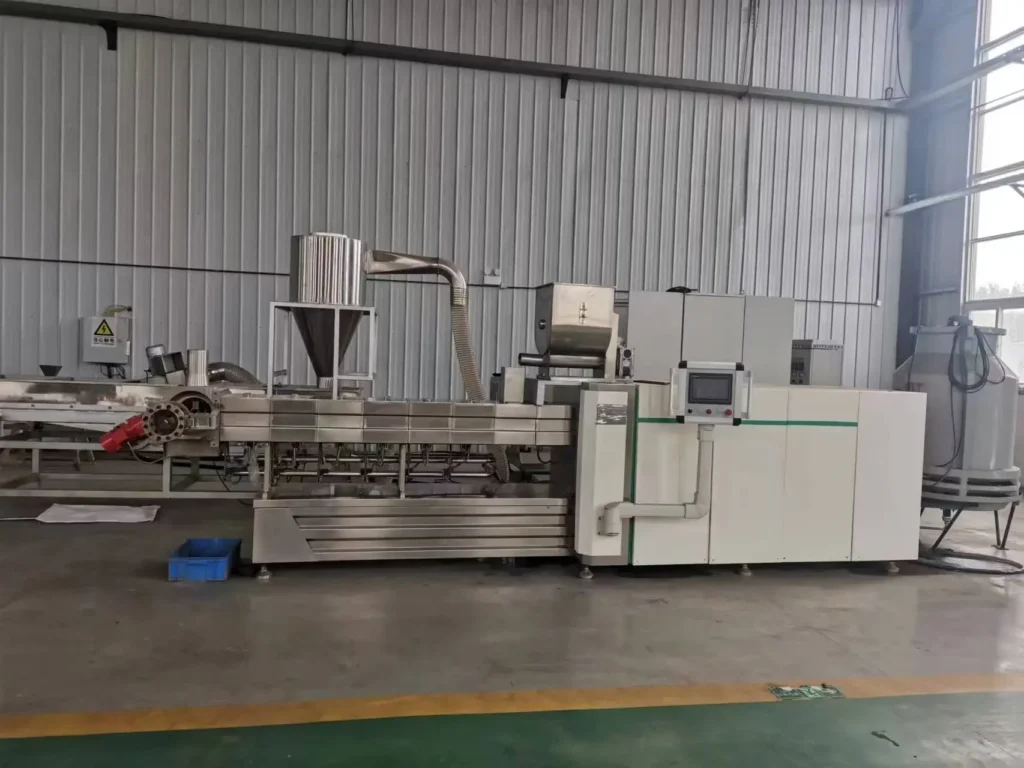
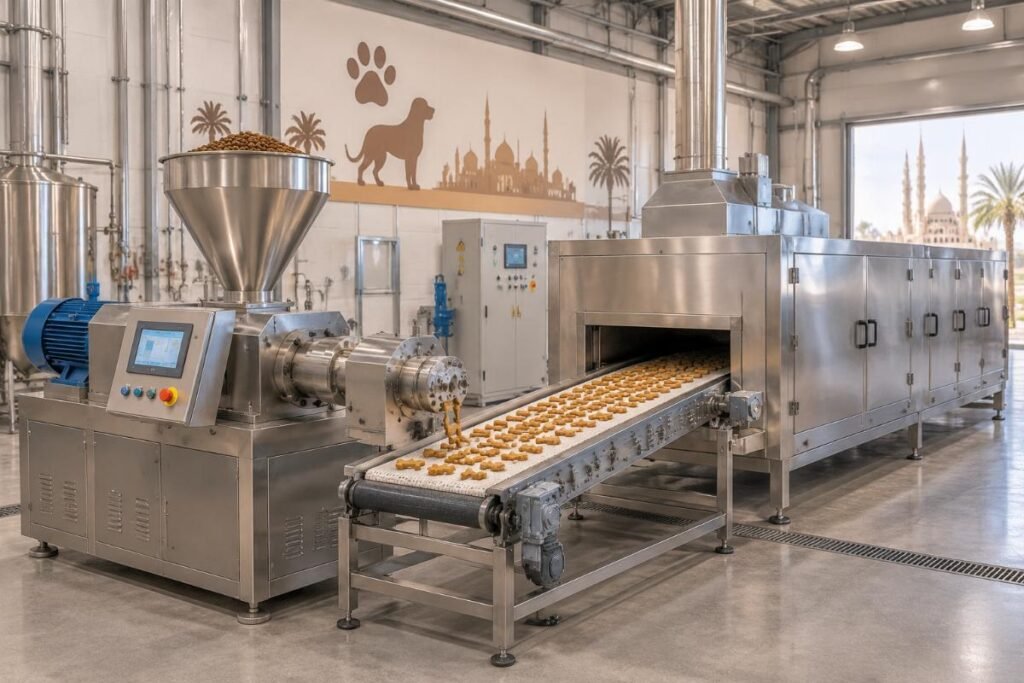
Bigger ovens do not guarantee better treats; inadequate exhaust in high-ambient environments simply bakes moisture back into the product.
Selecting a pet treat production line requires matching extruder, cutter, oven, and packing specs to local climate and actual capacity, rather than relying solely on brochure parameters.
Walking through a manufacturing facility in Riyadh years ago, I watched a batch of chicken jerky turn black inside the drying chamber. The local summer heat had overwhelmed the standard cooling margin of the equipment, causing thermal runaway despite the temperature controller reading normal. We had to completely redesign the exhaust flow and upgrade the thermal insulation to handle the ambient conditions. This reality highlights that equipment must be evaluated against local environmental stressors, not just ideal factory conditions.

Matching these variables ensures your pet treat production line operates reliably from day one.
How to Size the Extruder for Your Treat Recipe?
Screw configuration and length-to-diameter ratios must align with your specific meat-to-starch ratio to ensure proper gelatinization.
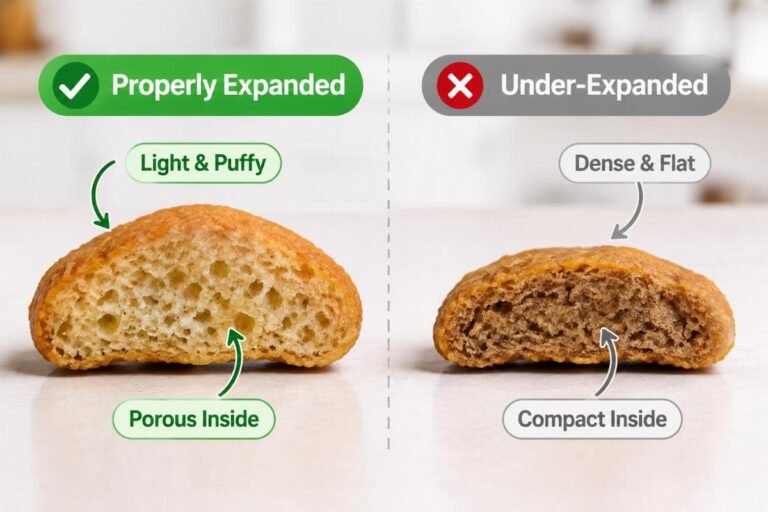
When formulating high-meat treats, the shear history inside the barrel dictates the final texture. A standard configuration designed for starch-heavy biscuits will fail to cook raw muscle fibers properly, leading to microbial survival or poor expansion.
| Parameter | Standard Starch Formula | High-Meat Formula |
|---|---|---|
| Screw L/D Ratio | Standard | Extended |
| Shear Intensity | Moderate | High |
| Moisture Injection | Basic | Controlled Multi-point |
| Torque Capacity | Baseline | Upgraded |
A contract manufacturer in Southeast Asia initially struggled with a high-poultry recipe. The pet treat extruder machine they purchased lacked the necessary torque and shear elements, resulting in uncooked centers. By upgrading to a twin-screw configuration with specialized kneading blocks, they achieved uniform gelatinization.
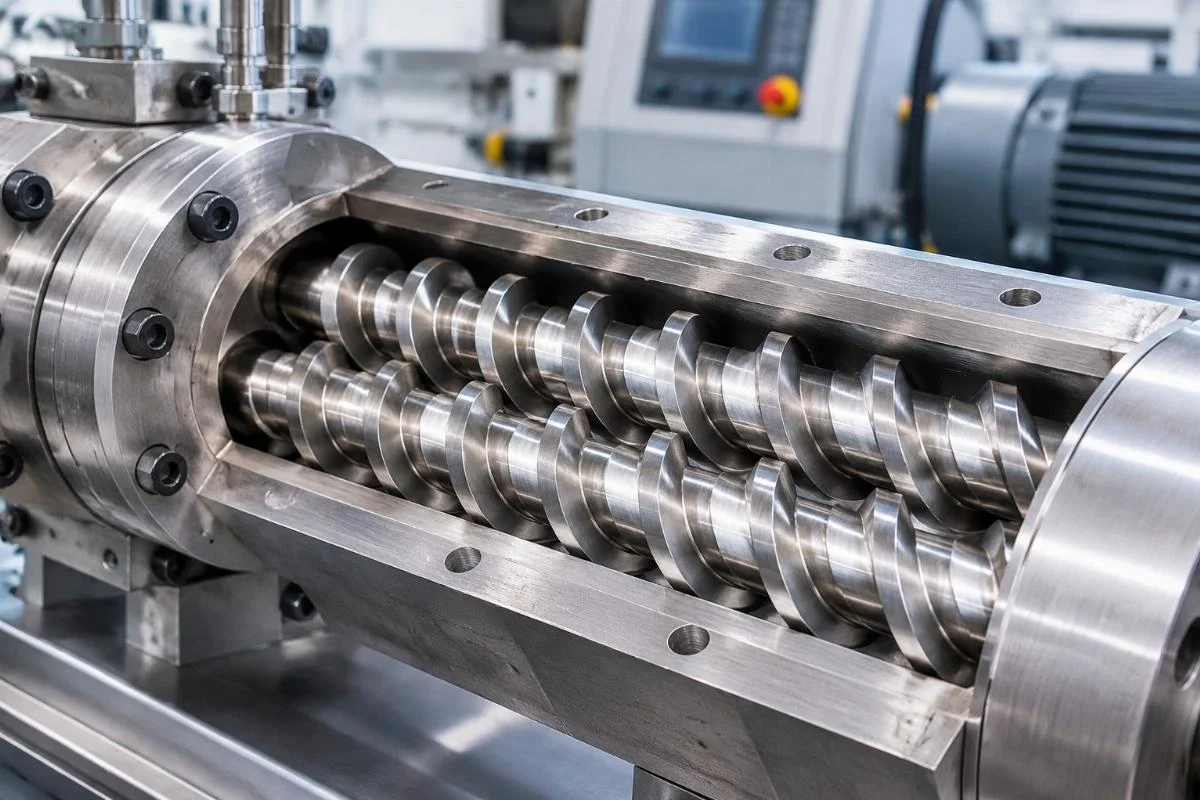
Proper screw sizing prevents product defects and ensures consistent throughput for your pet treat production line.
Why Do Standard Cutters Fail on Sticky Doughs?
Blade speed and torque transmission must be adjusted to handle the tackiness of high-meat doughs without tearing the extrudate.
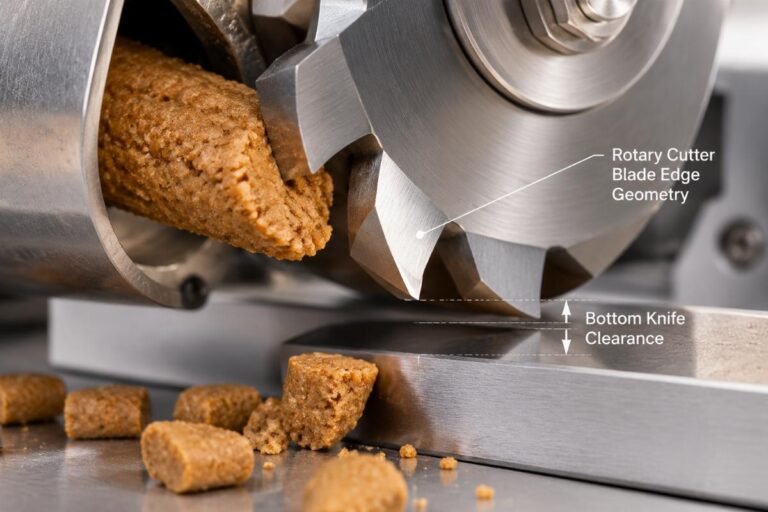
When dough exits the die, its surface moisture and protein content create significant adhesion. Standard rotary cutters operating at fixed speeds often drag the product, causing irregular lengths and deformed shapes.
| Factor | Standard Cutter Setup | Optimized High-Meat Setup |
|---|---|---|
| Blade RPM | Fixed | Variable Frequency |
| Torque Transmission | Direct Drive | High-Torque Gearbox |
| Blade Coating | Standard Steel | Non-Stick Treatment |
| Cut Synchronization | Mechanical | Servo-Driven |
A pet food startup in Latin America faced massive yield loss because their standard cutter kept dragging the sticky chicken dough. Switching to a servo-driven pet treat packing machine integrated cutting system allowed precise synchronization with the extruder speed, eliminating deformation and maintaining exact piece weights.
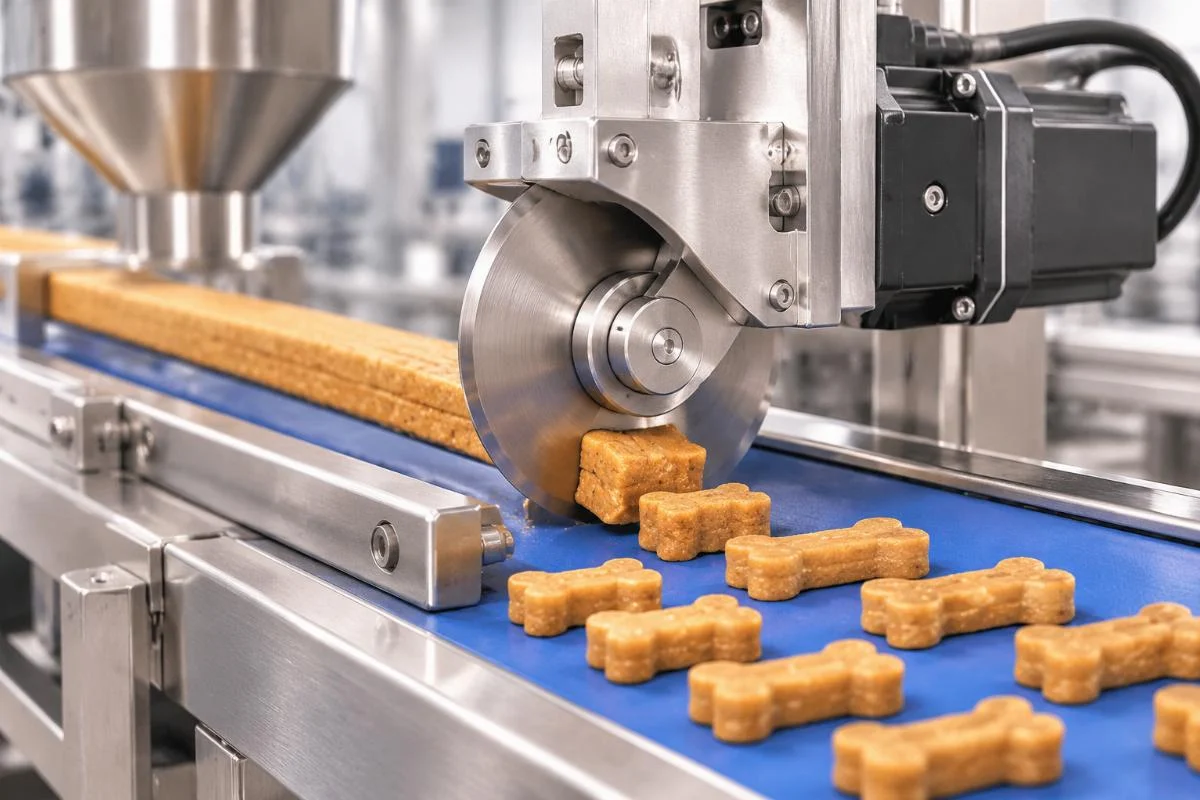
Precision cutting preserves product integrity and maximizes the output of your pet treat production line.
How to Prevent Oven Overheating in Hot Climates?
Exhaust capacity and cooling margins must be upgraded to counteract high ambient temperatures and prevent moisture retention.
In regions with extreme summer heat, the temperature differential between the oven exhaust and the outside air shrinks drastically. This reduces the natural draft and forces the cooling sections to work harder, often leading to condensation inside the packaging if the treats are not cooled below the dew point.
| Climate Condition | Standard Oven Config | Tropical/Desert Config |
|---|---|---|
| Exhaust Fan Capacity | Baseline | Oversized |
| Insulation Thickness | Standard | Enhanced |
| Cooling Zone Length | Minimum | Extended |
| Humidity Control | None | Active Dehumidification |
During the commissioning of a pet snack baking oven in the Middle East, the standard exhaust system could not expel moisture fast enough during July. The treats emerged feeling soft and spoiled within days. We retrofitted the system with high-capacity exhaust fans and added a dedicated cooling tunnel with active dehumidification, which stabilized the final moisture content.
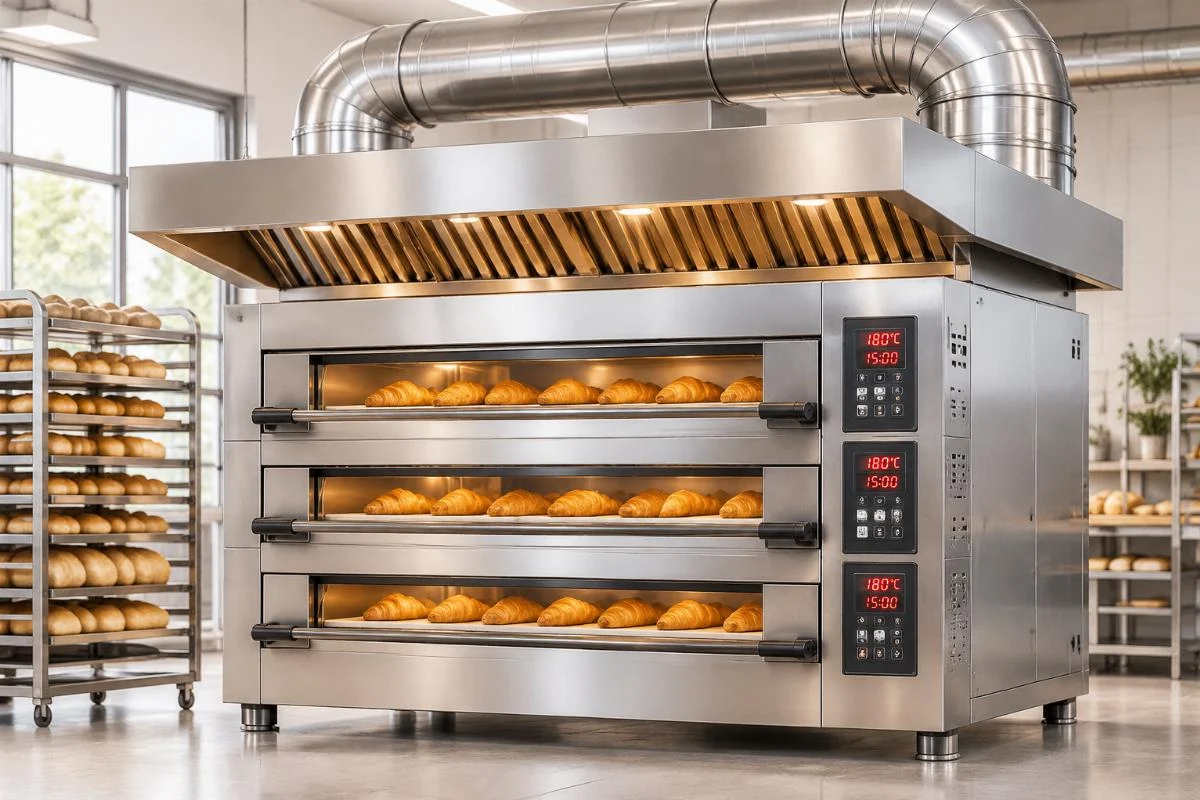
Climate-adapted thermal management is critical for the long-term stability of your pet treat production line.
What Packing Specs Ensure Long Shelf Life?
Sealer temperature and pressure profiles must be calibrated to local humidity levels and specific barrier film materials.
Even perfectly baked treats will fail if the packaging seal compromises. High ambient humidity requires higher sealing temperatures to penetrate the moisture layer on the film, while different barrier materials demand precise pressure dwell times to prevent micro-leaks.
| Packaging Factor | Low Humidity Environment | High Humidity Environment |
|---|---|---|
| Sealer Temperature | Standard | Elevated |
| Dwell Time | Brief | Extended |
| Film Material | Basic Poly | High-Barrier Metallized |
| Leak Detection | Visual | Automated Trace Gas |
An exporter in Europe noticed intermittent seal failures during their summer months. The local humidity was interfering with the heat transfer of their standard pet treat packing machine. By adjusting the sealing jaw temperature and upgrading to a continuous band sealer with precise pressure control, they achieved hermetic seals that passed rigorous transport simulations.

Robust sealing specifications protect your product and complete the reliability of your pet treat production line.
Conclusion
Equipment selection must reflect environmental realities, not just theoretical capacities.
Building a successful pet treat production line demands aligning extruder shear, cutter synchronization, oven exhaust, and sealer profiles with your specific recipe and local climate. Ignoring these variables leads to product defects and operational failures, regardless of the machinery’s baseline specifications.
Machines Mentioned in This Article

cat food machine
Pet Treats Production Line Manufacturer
View Machine
dog food machine
Pet Food Dog Treats Production Line Manufacturer Plant
View Machine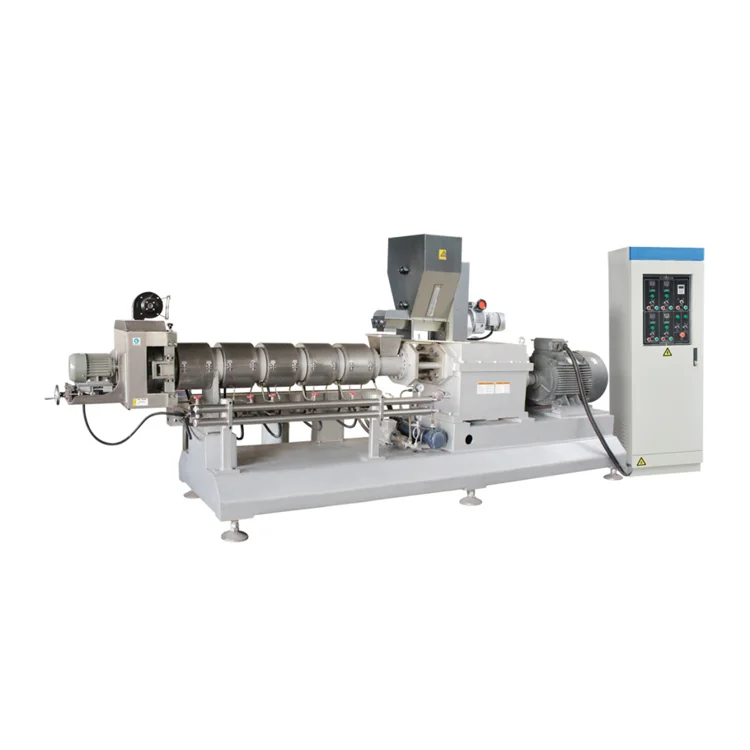
cat food machine
Pet Food Pellet Extruder Machine Manufacturer for Dog Cat
View Machine
cat food machine