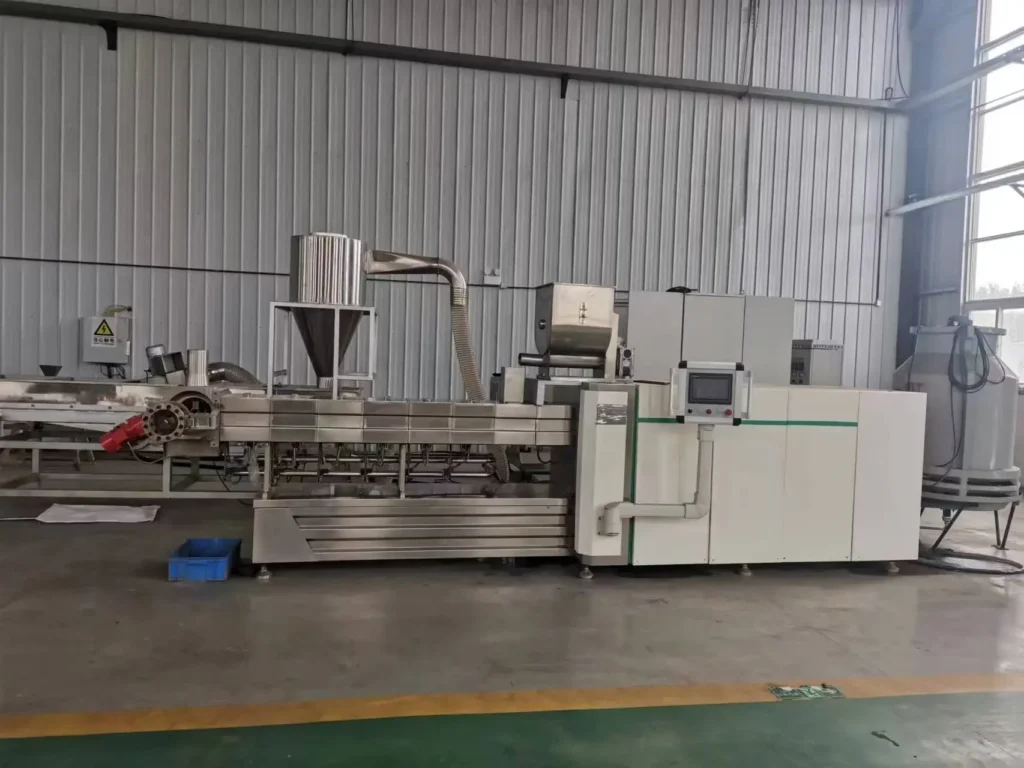
Single-screw extrusion is not merely a cheaper alternative to twin-screw systems; it demands far stricter raw material preparation and moisture control. The SLG-90 single-screw extruder provides a cost-effective entry point for kibble production, but achieving consistent forming and gelatinization relies entirely on matching the screw length-to-diameter ratio with precise barrel temperature zoning to minimize dust and ensure proper cooking.
Years ago, when I was sourcing equipment in Riyadh for a local pet food facility, we opted for a basic single-screw setup to cut costs. The result was a disaster. The length-to-diameter ratio was completely mismatched for the recipe, leading to a massive dust rate and poor gelatinization. The kibble simply was not cooked right, and the end-users’ pets refused to eat it. I spent months in the workshop adjusting dies and swapping screw elements before we finally stabilized the forming rate. Now, when guiding startup clients in the Middle East through their SLG-90 single-screw extruder installations, my very first step is to scrutinize the screw configuration and thermal profiles against their specific formulas. Choosing the wrong machine parameters means the cost of re-tooling dies could easily buy another mainframe.

Transitioning from those hard-learned lessons to a structured approach, let us break down the mechanics, setup, common pitfalls, and optimization strategies for this equipment.
How Does the SLG-90 Single-Screw Extruder Actually Work?
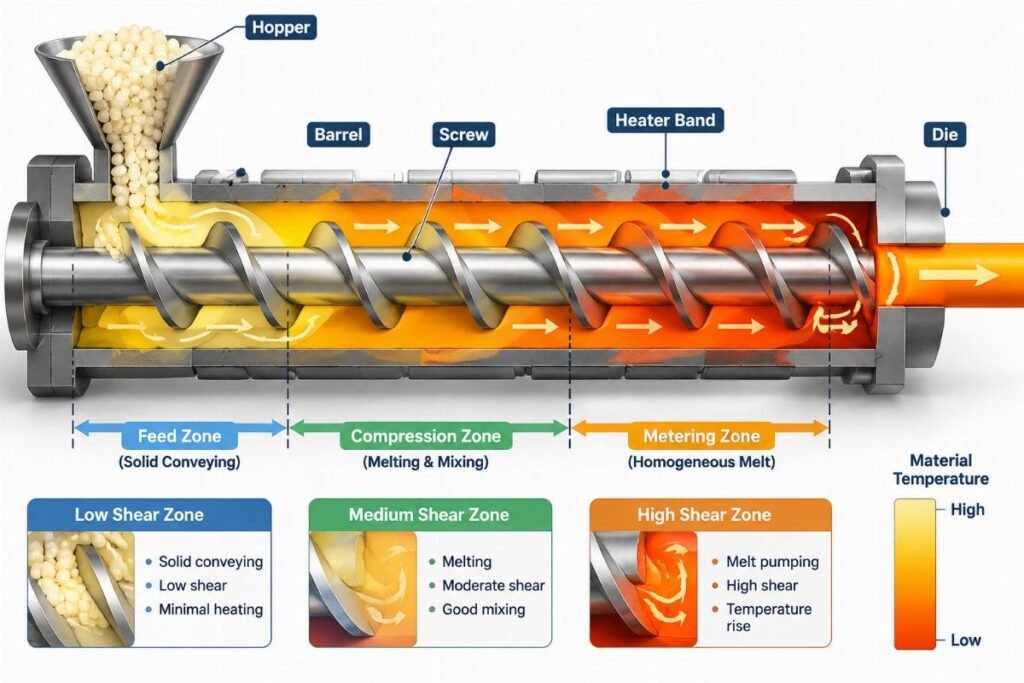
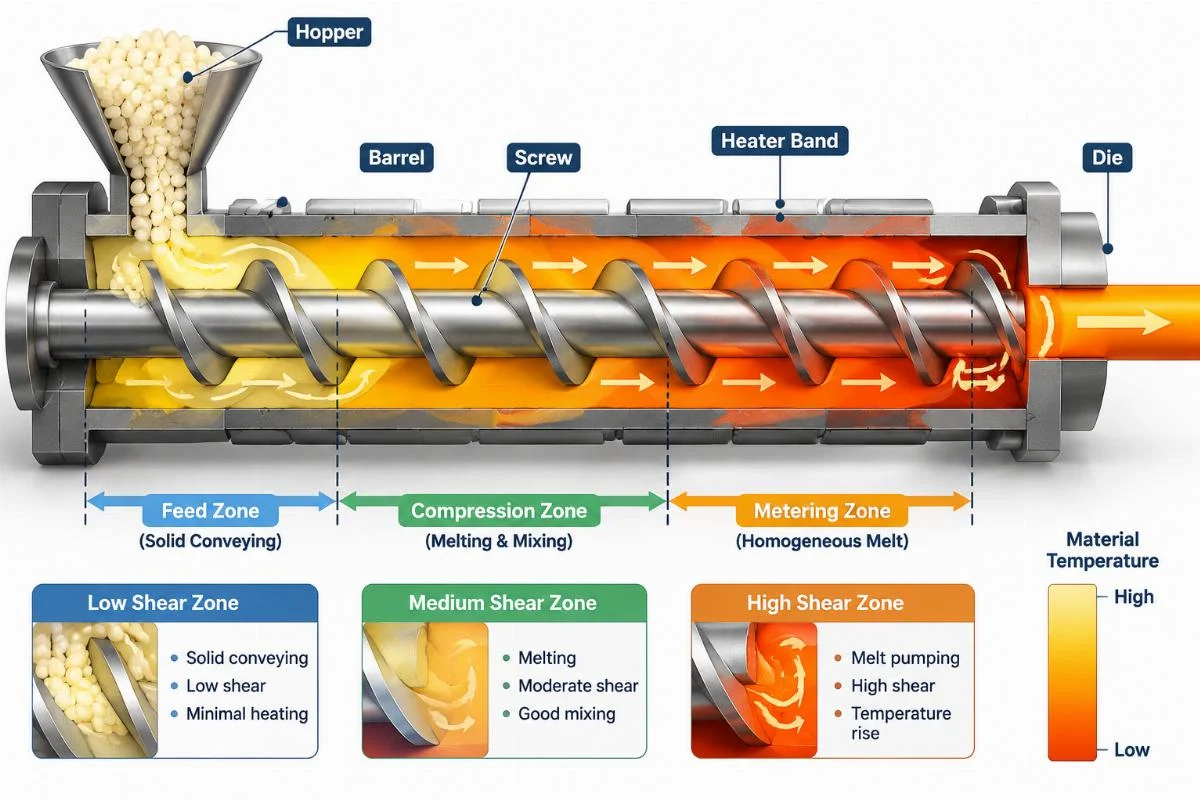
The SLG-90 single-screw extruder relies on friction and shear generated by a single rotating screw to cook, mix, and shape kibble through a die plate. Unlike twin-screw systems that aggressively self-clean and mix, a single-screw design pushes material forward through a heated barrel. The cooking process is entirely dependent on the mechanical energy converted into heat via friction, supplemented by external barrel heaters.
When formulating for this machine, the raw materials must be ground to a very fine, uniform particle size. Any coarse particles will disrupt the friction balance, leading to uneven cooking. The material moves through distinct zones: feeding, compression, metering, and die extrusion. In the compression zone, the screw channel depth decreases, compacting the material and generating the necessary shear heat for starch gelatinization.
Many buyers mistakenly believe that low dust output automatically indicates good extrusion. In reality, over-compression in the screw design can cause excessive shear, burning the nutrients and paradoxically increasing fine dust generation upon cooling. Understanding this mechanical balance is the foundation of operating the SLG-90 single-screw extruder successfully.
What Are the Critical Setup Steps for Simple Kibble Production?
Proper screw configuration and precise temperature zoning are mandatory for achieving the correct kibble density and shape. Setting up a simple kibble production line goes far beyond simply turning on the motor. The thermal profile across the barrel must be carefully graduated to ensure the material melts and flows without scorching.
Here is the systematic approach to setting up the line:
- Raw Material Milling: Ensure all grains and proteins are milled to a uniform, fine consistency. Coarse particles will cause pressure fluctuations in the SLG-90 single-screw extruder.
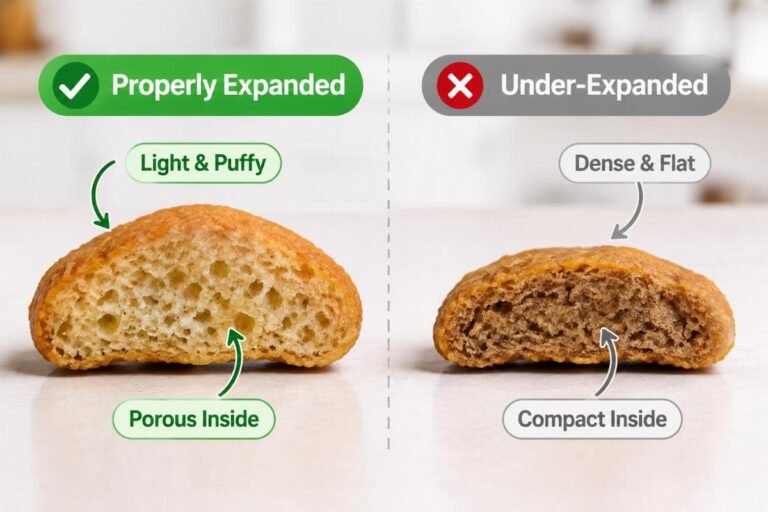
- Moisture Conditioning: Adjust the pre-conditioner moisture levels precisely. Single-screw systems are highly sensitive to initial moisture; too dry causes high friction and motor overload, while too wet prevents proper expansion at the die.
- Screw Element Assembly: Arrange the screw elements to create the correct compression ratio. This involves placing conveying elements, kneading blocks, and reverse elements to build the necessary pressure before the die.
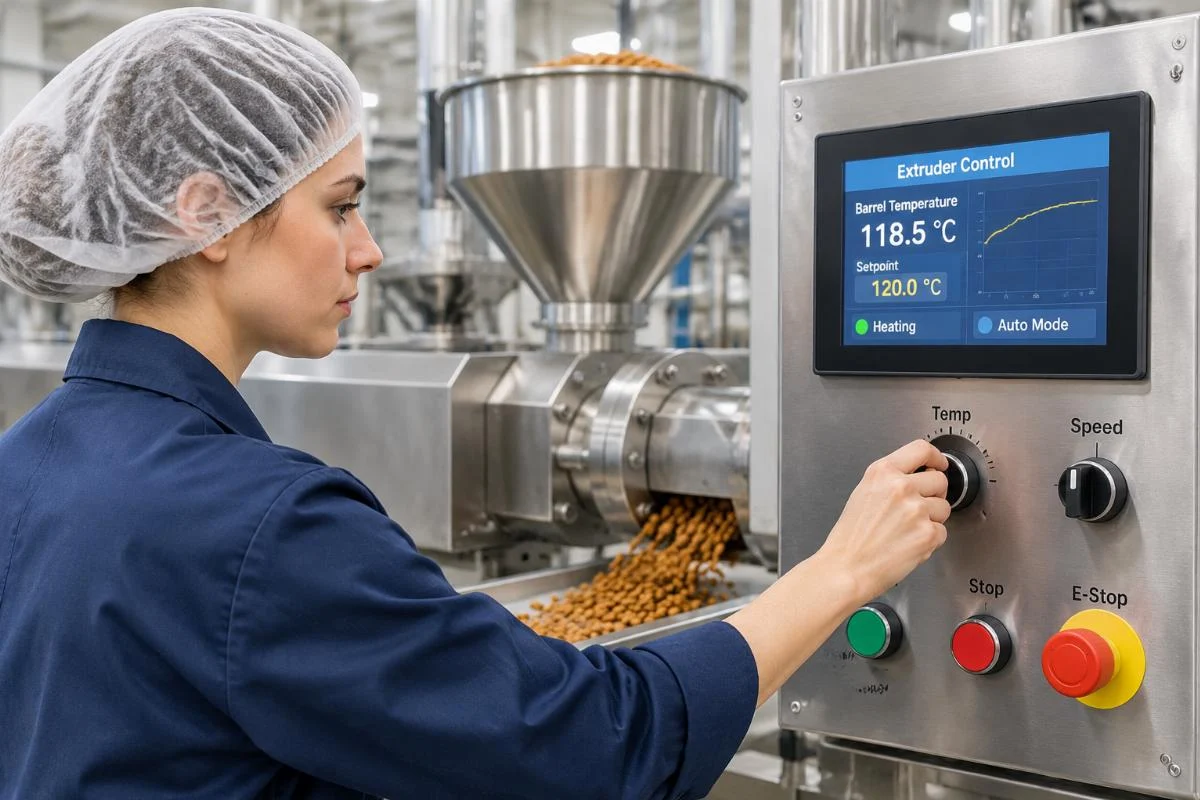
- Barrel Temperature Profiling: Set a gradual temperature gradient from the feed zone to the die zone. The final zones must reach the specific gelatinization threshold for your starch source.
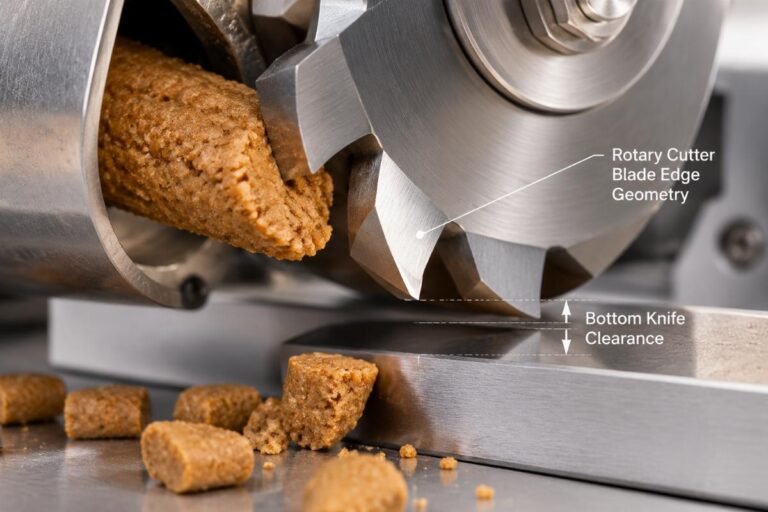
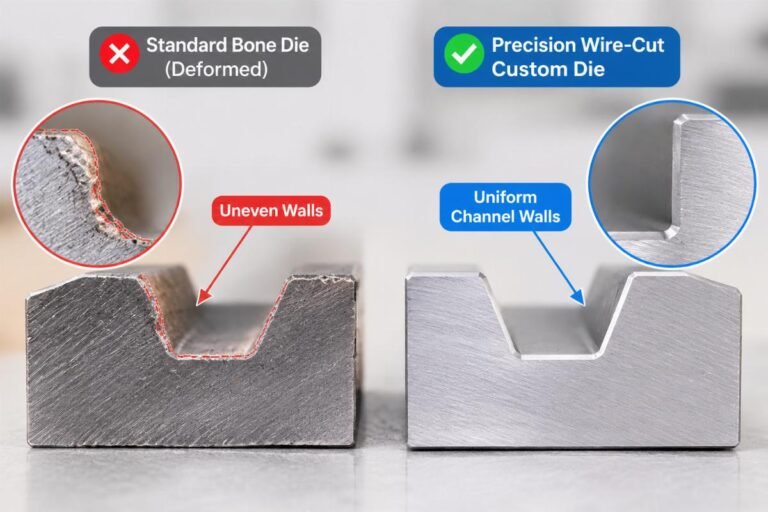
- Die Plate Selection: Match the die hole diameter and land length to the desired kibble size and expansion ratio.
A budget-conscious buyer once faced severe palatability issues because they set all barrel zones to a uniform high temperature. This scorched the proteins and destroyed vital amino acids. By optimizing the barrel temperature zones to create a smooth gradient, they resolved the issue and improved the nutritional profile significantly.
Why Do Single-Screw Lines Fail in Pet Food Startups?
Ignoring the length-to-diameter ratio and inadequate raw material preparation are the primary drivers of high dust rates and poor gelatinization in startup facilities. When a new pet food brand launches, the pressure to minimize capital expenditure often leads to compromises in equipment selection and setup. However, the SLG-90 single-screw extruder requires strict adherence to processing parameters to avoid costly operational failures.
Consider the following comparison of setup approaches:
| Setup Factor | Unoptimized Approach | Optimized Approach |
|---|---|---|
| Raw Material Grind | Coarse, inconsistent particle size | Uniform, fine micro-milling |
| Screw L/D Ratio | Standard off-the-shelf configuration | Custom-matched to recipe viscosity |
| Moisture Control | Uncontrolled ambient mixing | Precision pre-conditioning |
| Temperature Profile | Uniform high heat across all zones | Gradual gradient tailored to starch type |
| Die Maintenance | Reactive cleaning after clogging | Proactive polishing and spec matching |
A startup in the MENA region experienced a high dust rate, with nearly a fifth of their output ending up as unusable fines. The root cause was a mismatched length-to-diameter ratio that did not provide enough residence time for the specific grain blend they were using. By reconfiguring the screw elements to increase the metering section length, they resolved the issue and drastically reduced the dust rate.
Another common failure occurs during formula switches. When a client increased the fresh meat inclusion in their recipe, the die immediately clogged. The existing screw compression was designed for a dry grain formula and could not handle the added fat and moisture from the meat. Adjusting the screw compression ratio and modifying the die specifications solved the clogging, proving that the SLG-90 single-screw extruder must be dynamically adapted to the recipe.

How to Optimize the SLG-90 for Your Specific Kibble Recipe?
Matching the screw compression ratio to your specific meat-to-grain ratio ensures smooth extrusion and optimal kibble structure. Optimization is not a one-time setup; it is a continuous process of aligning the mechanical action of the SLG-90 single-screw extruder with the rheological properties of your formula.
When formulating high-meat kibbles, the fat content acts as a lubricant, reducing the friction necessary for cooking. To compensate, the screw design must incorporate higher compression elements to maintain pressure and ensure the material is properly worked before exiting the die. Conversely, high-fiber or high-starch formulas require different shear profiles to prevent motor tripping or die blockage.
Working with a manufacturer that provides comprehensive formula development support is critical here. During a recent turnkey line installation, the client wanted to introduce a novel plant-based protein blend. Instead of guessing the parameters, the engineering team conducted rheological testing and adjusted the screw compression and barrel temperatures accordingly. This prevented the extended trial-and-error phase that typically plagues new product launches.
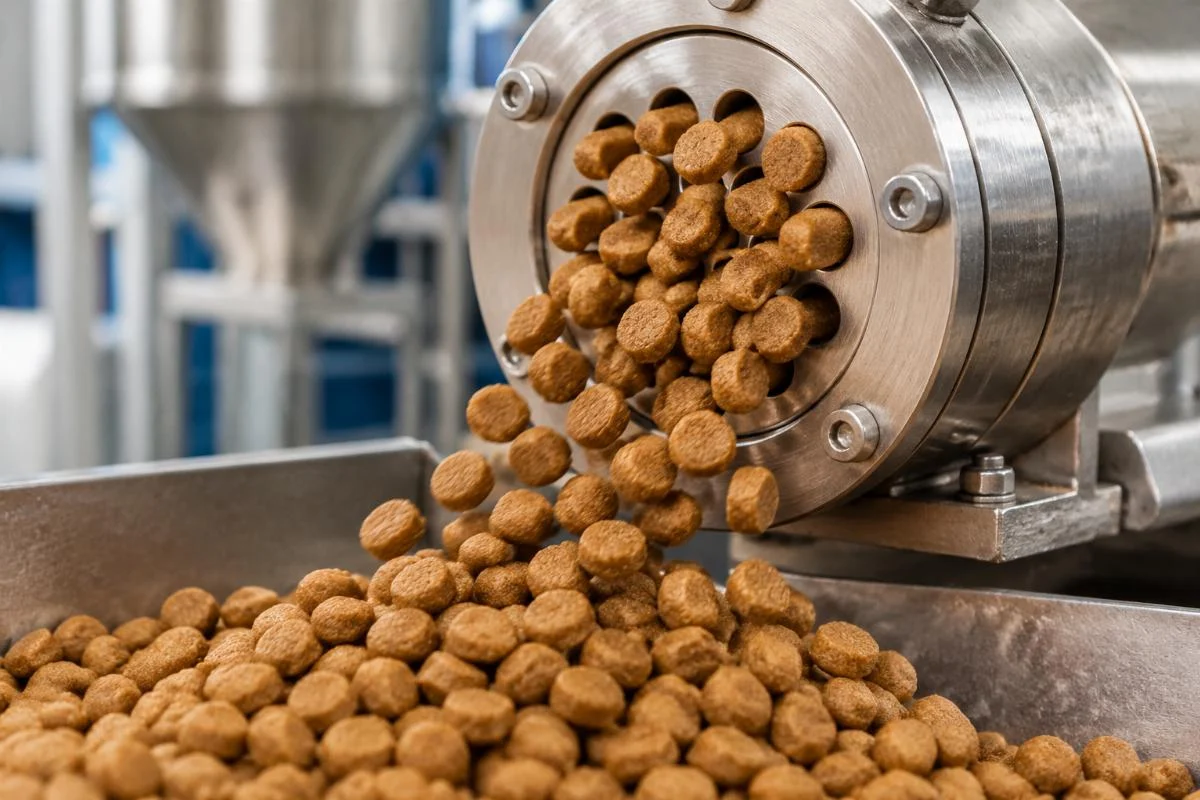
Furthermore, integrating advanced drying and cooling systems downstream is essential. The SLG-90 single-screw extruder produces kibble at a specific moisture content and temperature; if the subsequent drying curve is not matched to the kibble’s density and size, the final product will either mold or become too hard for pets to chew. On-site operator training ensures that your team understands how to read the signs of proper extrusion—such as the smell of the kibble, the sound of the motor, and the visual expansion at the die—allowing for real-time micro-adjustments.
Conclusion
Mastering the SLG-90 single-screw extruder requires treating the machine as a dynamic system that must be precisely tuned to your unique recipe. Success in kibble production hinges on rigorous raw material preparation, exact screw configuration, and disciplined temperature control to eliminate dust and guarantee full gelatinization. By aligning your mechanical setup with your nutritional goals, you transform a basic extrusion line into a reliable engine for premium pet food manufacturing.
Machines Mentioned in This Article

cat food machine
Pet Dog Food Extruder Manufacturer Production Line
View Machine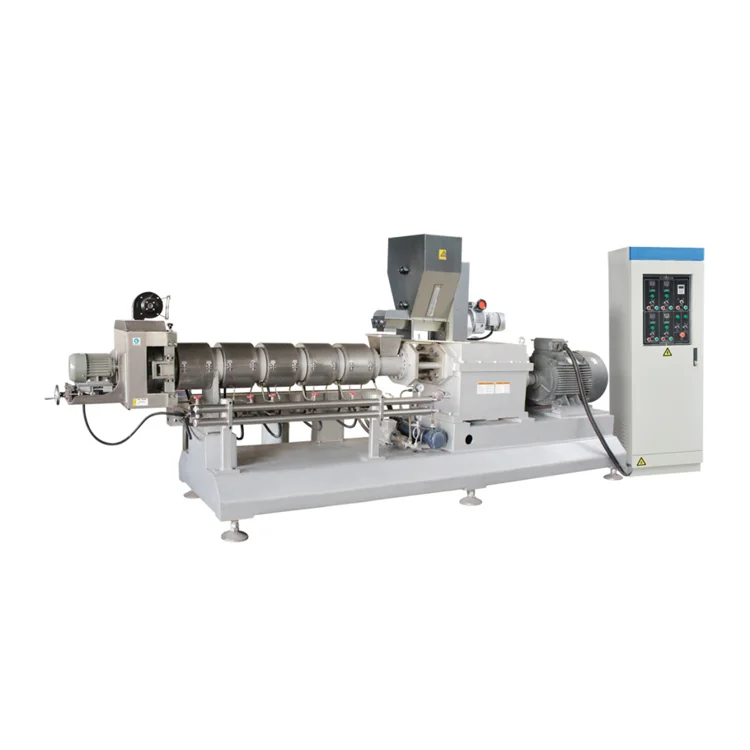
cat food machine
Pet Food Pellet Extruder Machine Manufacturer for Dog Cat
View Machine
cat food machine
Pet Food Extruder Machine Manufacturer Production Line
View Machine
cat food machine